https://en.arctic.ru
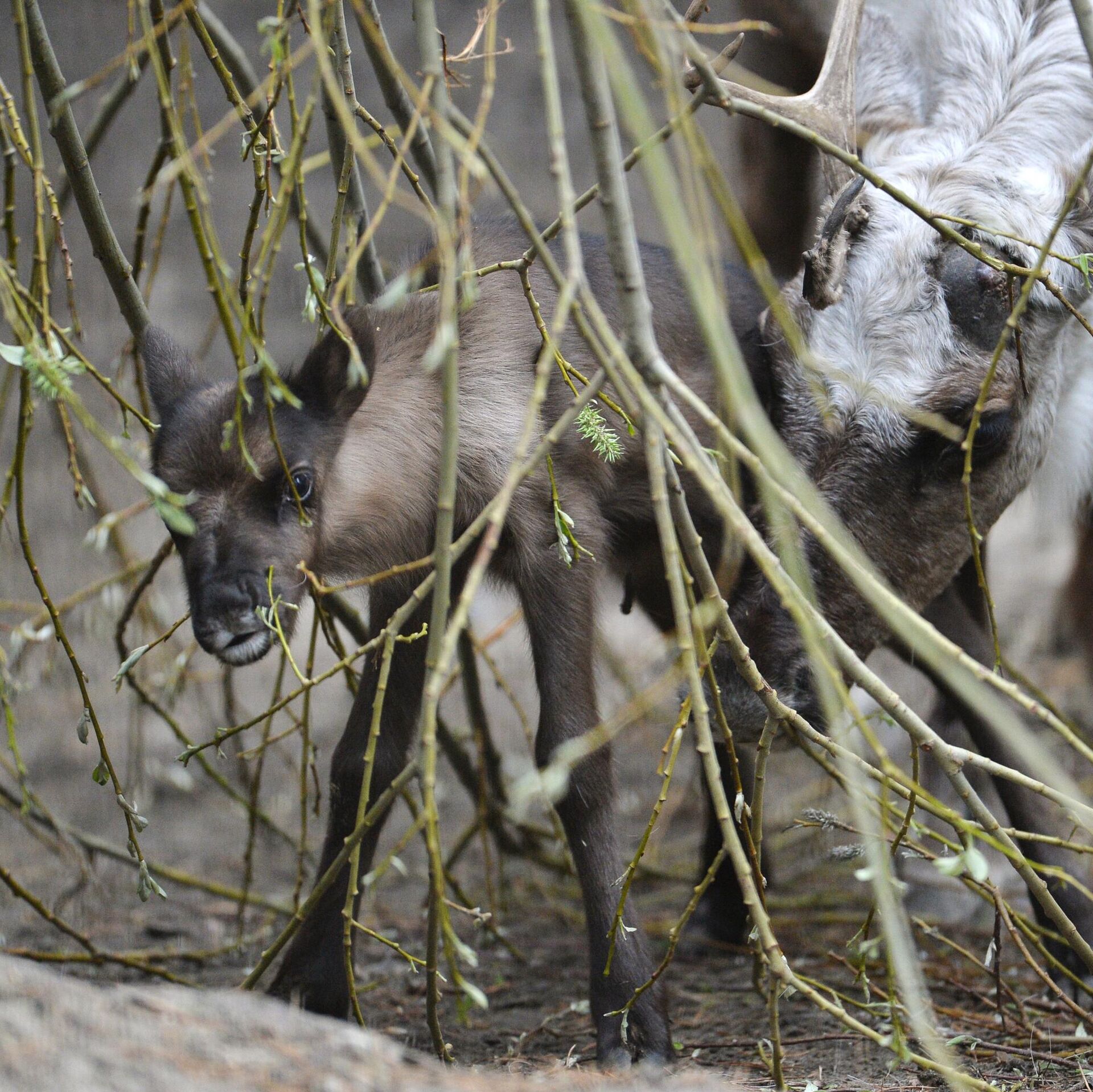
First fawns in Arctic tundra
First fawns in Arctic tundra
Arctic.ru: Discover how Russia implements its development goals in the Arctic and the Far East
2026-04-29T13:00
2026-04-29T13:00
2026-04-29T15:28
news
chukotka autonomous area
republic of sakha (yakutia)
murmansk region
more content
/img/07ea/04/1c/1442453_0:169:2938:1822_1920x0_80_0_0_4b51af137cabe70f380e24042fbae7f4.jpg
Reindeer calving began slightly later than usual this year, according to Olga Afanasyeva, Deputy Director of the Pioneer agricultural enterprise. The delay is attributed to harsh weather conditions, with blizzards and persistent cold, which have made this season particularly challenging for herders. In Chukotka, the first fawn was born on April 15.In the Yakutsk region, the first fawn in Raisa Ilyinova’s herd was born on April 22. It was given the symbolic name Lenin (in reference to Vladimir Lenin, the leader of the world proletariat). Raisa Ilyinova continues to focus on expanding her herd:“Two years ago, I exchanged a breeder from my herd for one from the Aldan region to refresh the gene pool,” she noted.Raisa Ilyinova also collaborates with researchers from Arctic State Agrotechnological University and St. Petersburg State University of Veterinary Medicine. Specialists such as a professor of obstetrics and reproductive medicine, a geneticist, and a parasitologist visited the camp to examine the newborn fawn.In the Murmansk Region, the first fawn of the season was born on April 27. It has not yet been named and remains under the constant protection of its mother.At birth, a reindeer fawn weighs just 3–4 kilograms. It feeds on its mother’s milk and is able to stand within a few hours, quickly beginning to follow her. During the first days, the mother retains her antlers, using them to protect her young.Reindeer calving takes place in spring. The gestation period lasts around seven to eight months, and from early April through late May herders welcome the arrival of new offspring.Typically, a doe gives birth to a single fawn, which is called “pyzhik” until it is one month old. Its mother is called “vazhenka,” the term coming from the Sami word “vadj,” meaning “female reindeer,” and is widely used by herders across the Arctic. Calving periods may vary slightly depending on local climate conditions.An interesting cultural note: asking a reindeer herder about the size of their herd is considered inappropriate. It is akin to asking about someone’s income or personal wealth. For Arctic communities, reindeer are companions and a primary source of livelihood, providing food, clothing, shelter, and transportation.
https://en.arctic.ru/20260317/1318183.html
2026
Новости
ru-RU
https://en.arctic.ru/docs/about/copyright.html
https://xn--c1acbl2abdlkab1og.xn--p1ai/
/img/07ea/04/1c/1442453_0:0:2732:2048_1920x0_80_0_0_e95f6f733023f00475d08360587493aa.jpgnews, chukotka autonomous area, republic of sakha (yakutia), murmansk region, more content
Reindeer calving began slightly later than usual this year, according to Olga Afanasyeva, Deputy Director of the Pioneer agricultural enterprise. The delay is attributed to harsh weather conditions, with blizzards and persistent cold, which have made this season particularly challenging for herders. In Chukotka, the first fawn was born on April 15.
In the Yakutsk region, the first fawn in Raisa Ilyinova’s herd was born on April 22. It was given the symbolic name Lenin (in reference to Vladimir Lenin, the leader of the world proletariat). Raisa Ilyinova continues to focus on expanding her herd:
“Two years ago, I exchanged a breeder from my herd for one from the Aldan region to refresh the gene pool,” she noted.
Raisa Ilyinova also collaborates with researchers from Arctic State Agrotechnological University and St. Petersburg State University of Veterinary Medicine. Specialists such as a professor of obstetrics and reproductive medicine, a geneticist, and a parasitologist visited the camp to examine the newborn fawn.
In the Murmansk Region, the first fawn of the season was born on April 27. It has not yet been named and remains under the constant protection of its mother.
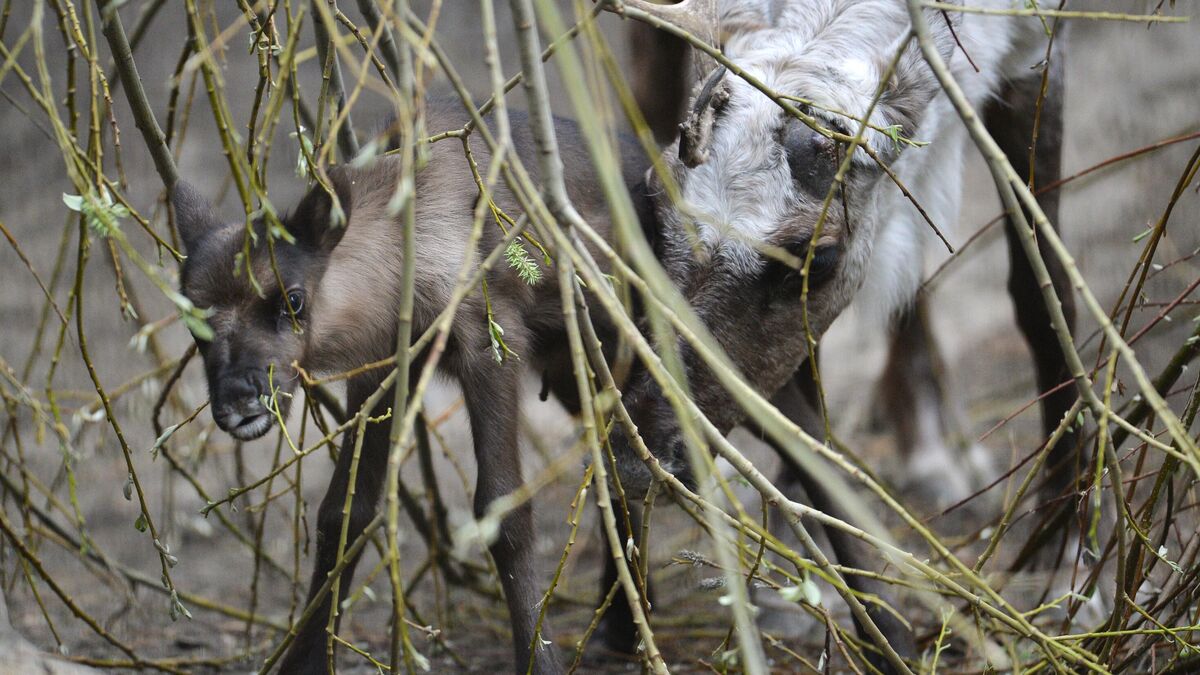
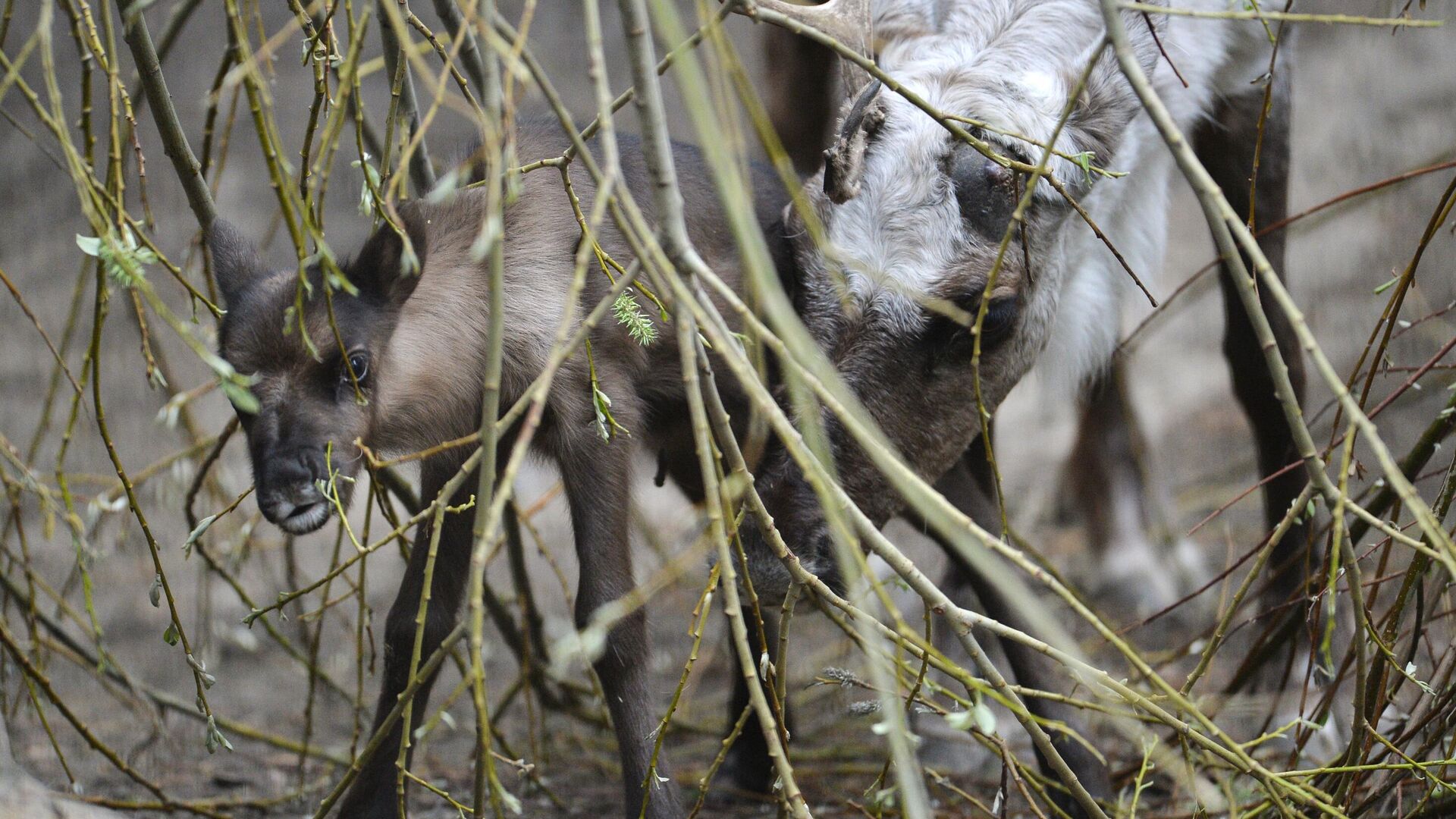
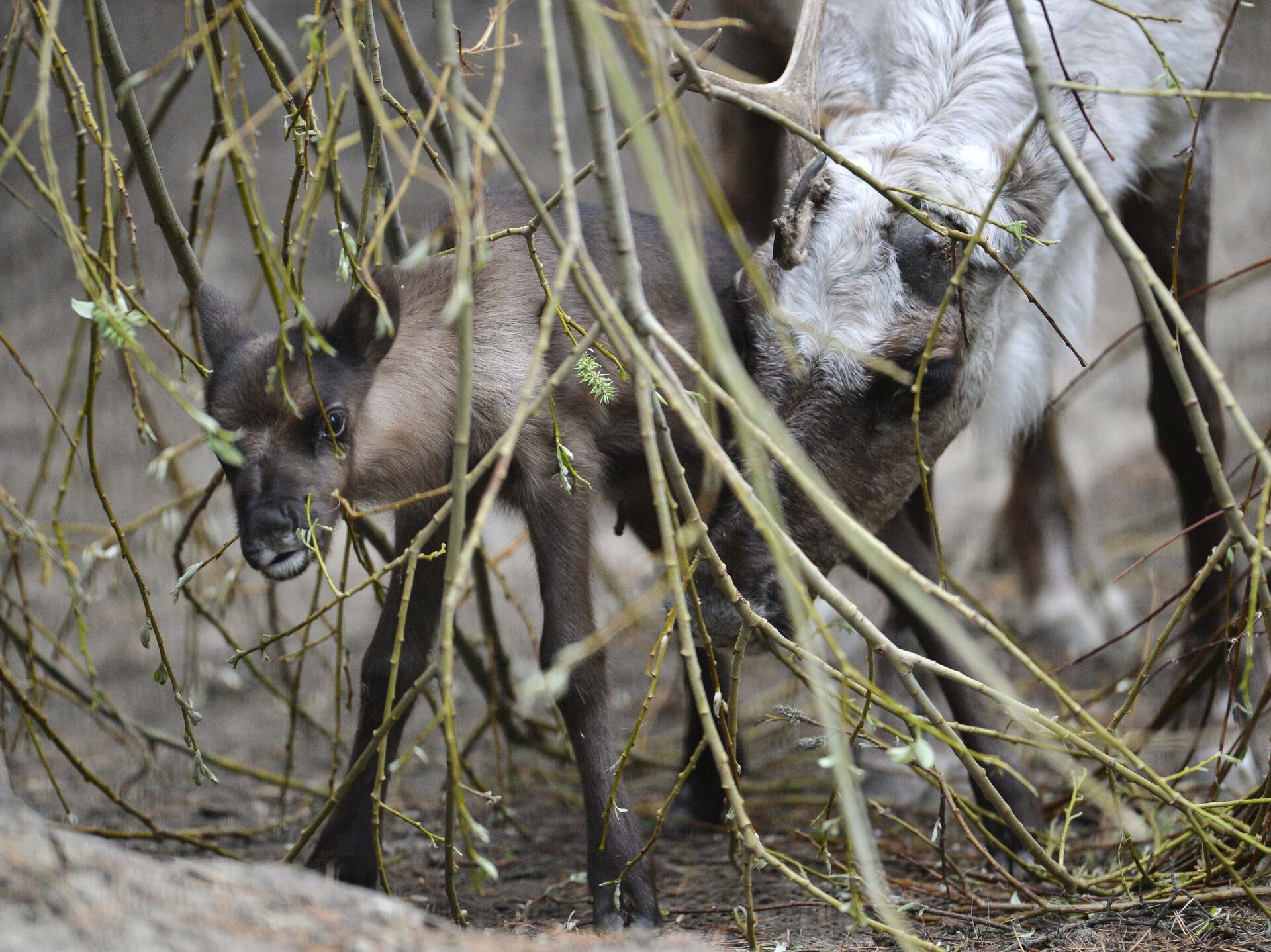
At birth, a reindeer fawn weighs just 3–4 kilograms. It feeds on its mother’s milk and is able to stand within a few hours, quickly beginning to follow her. During the first days, the mother retains her antlers, using them to protect her young.
Reindeer calving takes place in spring. The gestation period lasts around seven to eight months, and from early April through late May herders welcome the arrival of new offspring.
Typically, a doe gives birth to a single fawn, which is called “pyzhik” until it is one month old. Its mother is called “vazhenka,” the term coming from the Sami word “vadj,” meaning “female reindeer,” and is widely used by herders across the Arctic. Calving periods may vary slightly depending on local climate conditions.
An interesting cultural note: asking a reindeer herder about the size of their herd is considered inappropriate. It is akin to asking about someone’s income or personal wealth. For Arctic communities, reindeer are companions and a primary source of livelihood, providing food, clothing, shelter, and transportation.