https://en.arctic.ru
Deputy Minister for the Development of the Russian Far East and Arctic outlines the experience of the Far Eastern Federal District in improving demographic situation
Deputy Minister for the Development of the Russian Far East and Arctic outlines the experience of the Far Eastern Federal District in improving demographic situation
Arctic.ru: Discover how Russia implements its development goals in the Arctic and the Far East
2026-04-28T15:19
2026-04-28T15:19
2026-04-29T09:52
news
far eastern federal district
far east and arctic development corporation
/img/07ea/04/1c/1441809_0:63:1229:754_1920x0_80_0_0_789ebca109f4a845bc9ba5e79fd00f04.jpg
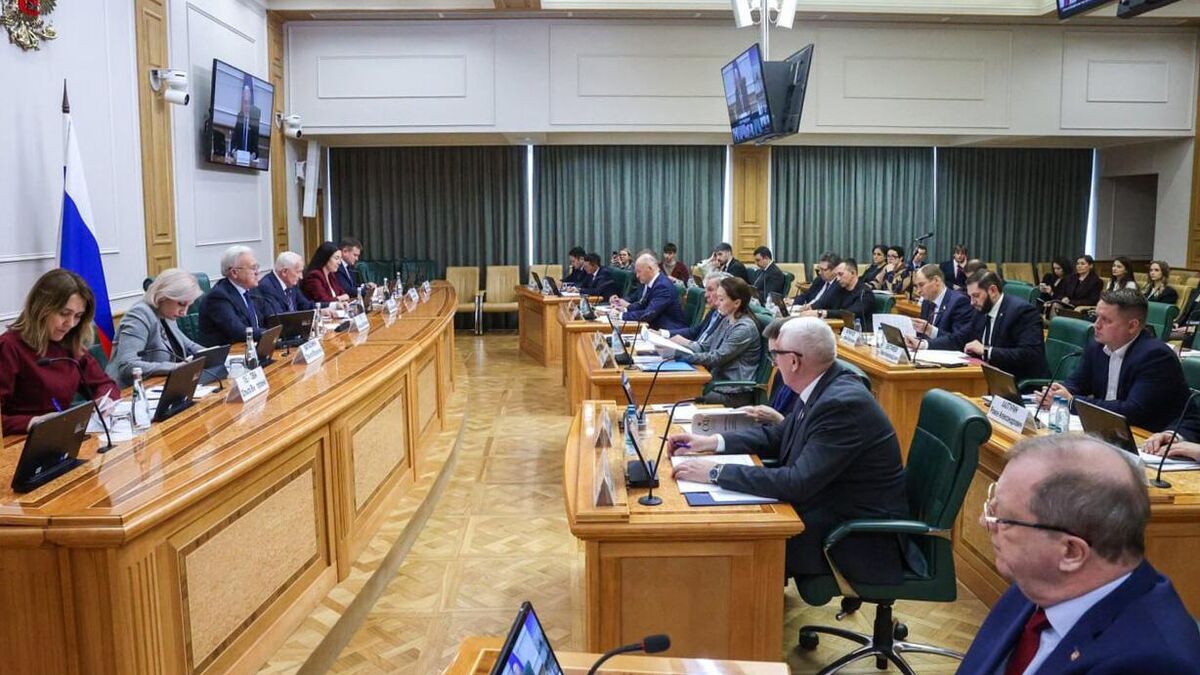
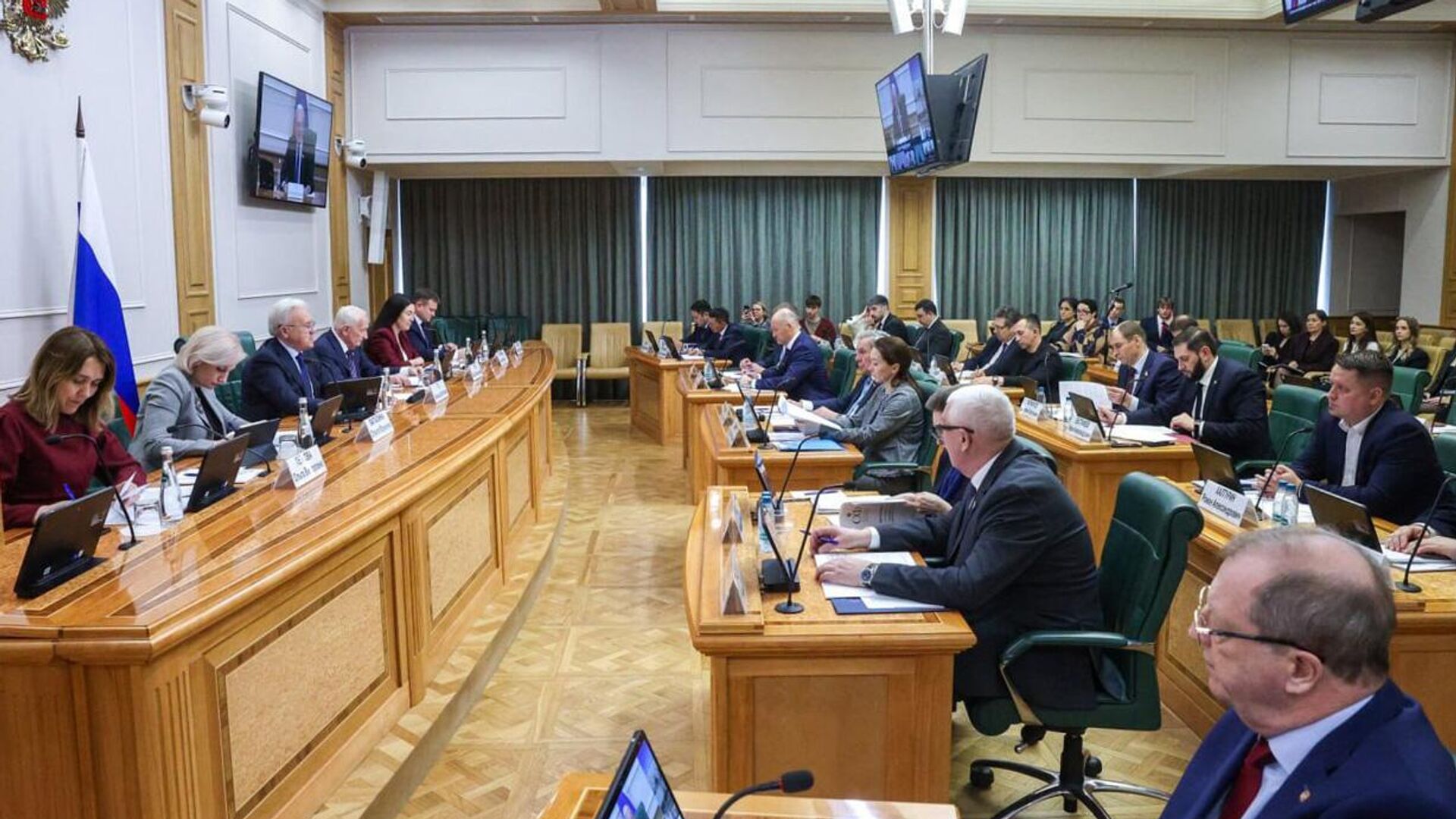
Deputy Minister for the Development of the Russian Far East and Arctic Elvira Nurgaliyeva spoke about the Far Eastern Federal District’s experience in improving the demographic situation at a meeting titled Human Capital in Siberia: Challenges and Development Prospects held at the Federation Council. This was reported by the press service of the Ministry for the Development of the Russian Far East and Arctic.During the meeting, Elvira Nurgaliyeva noted that the Far Eastern Federal District is the only macro-region in Russia with a dedicated demographic development strategy. The plan aims to maintain the population at 7.8 million by 2030 and to increase it to 7.9 million by 2036.“For the first time in contemporary Russian history, in 2021 and 2024, the Far Eastern Federal District recorded net migration growth, reversing a long-standing decline. This serves as an overall indicator of the effectiveness of the Far East development system over the past decade,” she emphasized.In addition, health promotion programs have been introduced in the region. Mobile medical team centers have been set up in remote communities across five Far Eastern regions.To attract young people to the Far Eastern Federal District, the Priority 2030: Far East program is being implemented. Universities have developed and are carrying out strategic projects aligned with regional development goals. As a result, the outflow of applicants from the district has been cut in half, while the number of applicants from abroad has increased by 1.5 times. Additional efforts focus on drawing in young people through the development of creative industries, including the construction of creative clusters, the opening of branches of creative universities, and the launch of a Cinema Foundation contest.At the same time, work is underway in 25 Far Eastern cities to implement master plans. The project covers more than 4 million residents of the district and is expected to transform the urban economy. By 2030, the population is projected to grow by 7 percent, gross urban product by 45 percent, and wages by 42 percent.
https://en.arctic.ru/20260210/1074531.html
2026
Новости
ru-RU
https://en.arctic.ru/docs/about/copyright.html
https://xn--c1acbl2abdlkab1og.xn--p1ai/
/img/07ea/04/1c/1441809_0:0:1013:759_1920x0_80_0_0_cf9b58e6f9df2a3c489d543f4091add8.jpgnews, far eastern federal district, far east and arctic development corporation
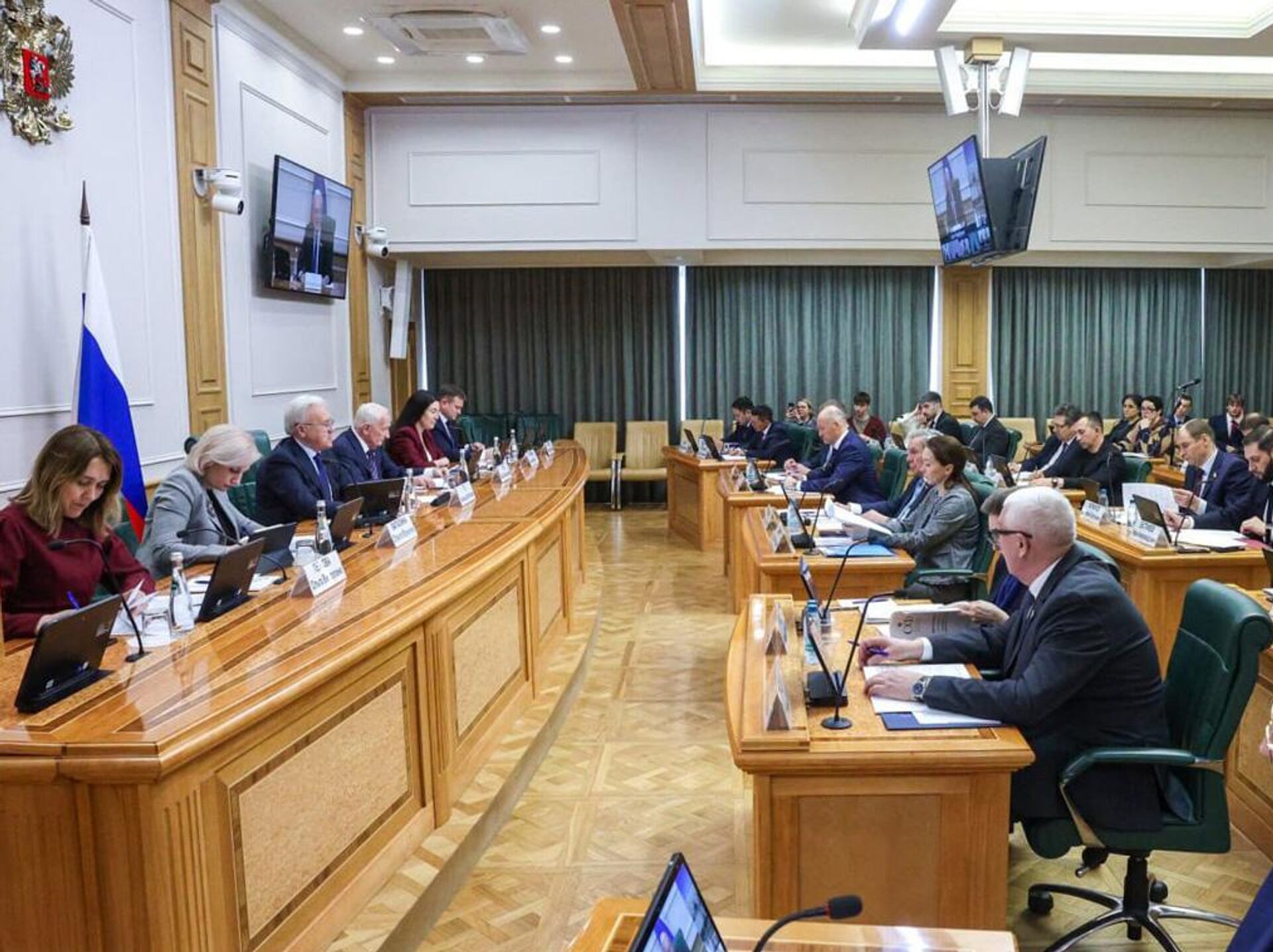
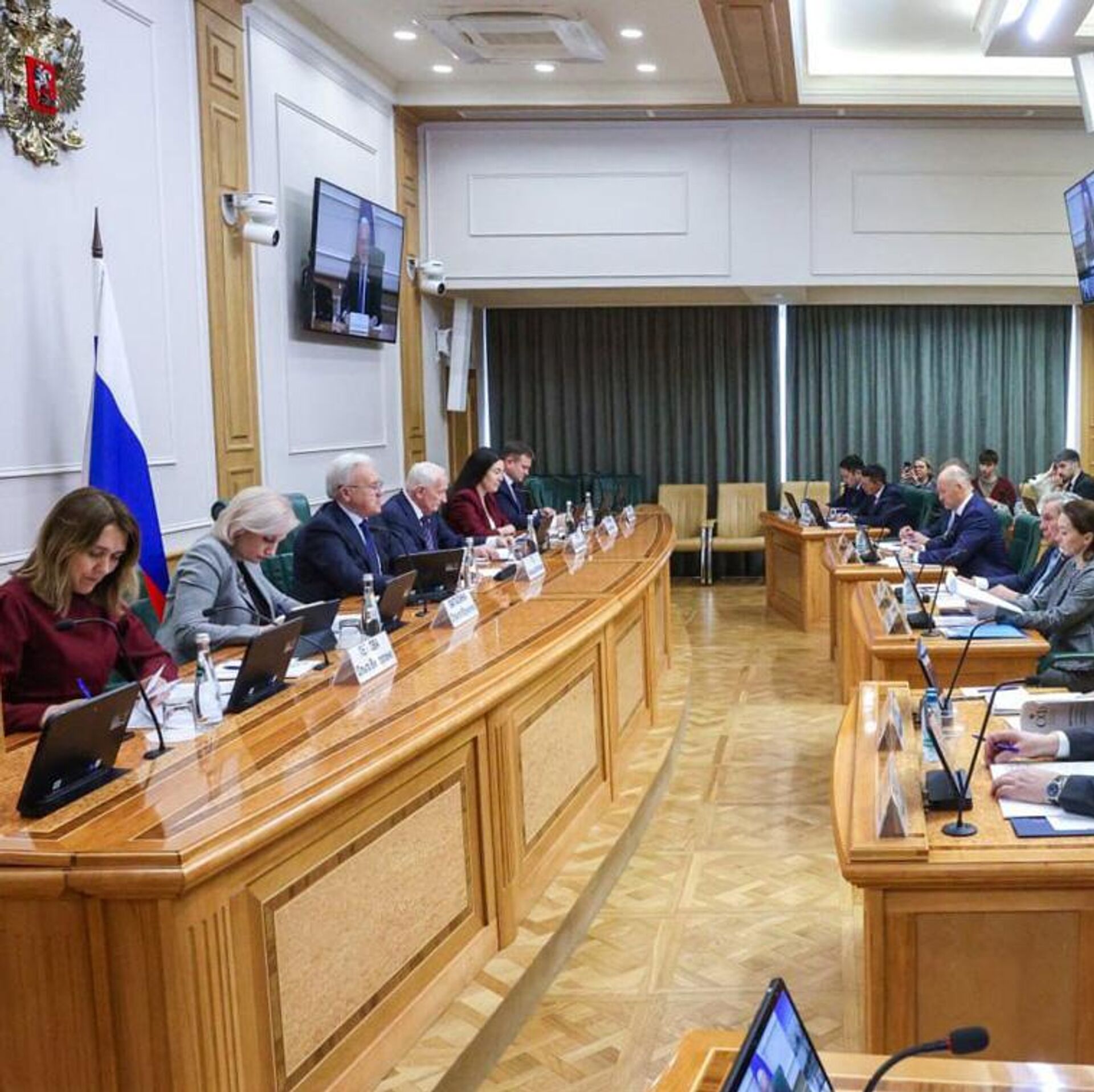
Deputy Minister for the Development of the Russian Far East and Arctic Elvira Nurgaliyeva spoke about the Far Eastern Federal District’s experience in improving the demographic situation at a meeting titled Human Capital in Siberia: Challenges and Development Prospects held at the Federation Council. This was reported by the press service of the Ministry for the Development of the Russian Far East and Arctic.
During the meeting, Elvira Nurgaliyeva noted that the Far Eastern Federal District is the only macro-region in Russia with a dedicated demographic development strategy. The plan aims to maintain the population at 7.8 million by 2030 and to increase it to 7.9 million by 2036.
“For the first time in contemporary Russian history, in 2021 and 2024, the Far Eastern Federal District recorded net migration growth, reversing a long-standing decline. This serves as an overall indicator of the effectiveness of the Far East development system over the past decade,” she emphasized.
In addition, health promotion programs have been introduced in the region. Mobile medical team centers have been set up in remote communities across five Far Eastern regions.
To attract young people to the Far Eastern Federal District, the Priority 2030: Far East program is being implemented. Universities have developed and are carrying out strategic projects aligned with regional development goals. As a result, the outflow of applicants from the district has been cut in half, while the number of applicants from abroad has increased by 1.5 times. Additional efforts focus on drawing in young people through the development of creative industries, including the construction of creative clusters, the opening of branches of creative universities, and the launch of a Cinema Foundation contest.
At the same time, work is underway in 25 Far Eastern cities to implement master plans. The project covers more than 4 million residents of the district and is expected to transform the urban economy. By 2030, the population is projected to grow by 7 percent, gross urban product by 45 percent, and wages by 42 percent.