https://en.arctic.ru
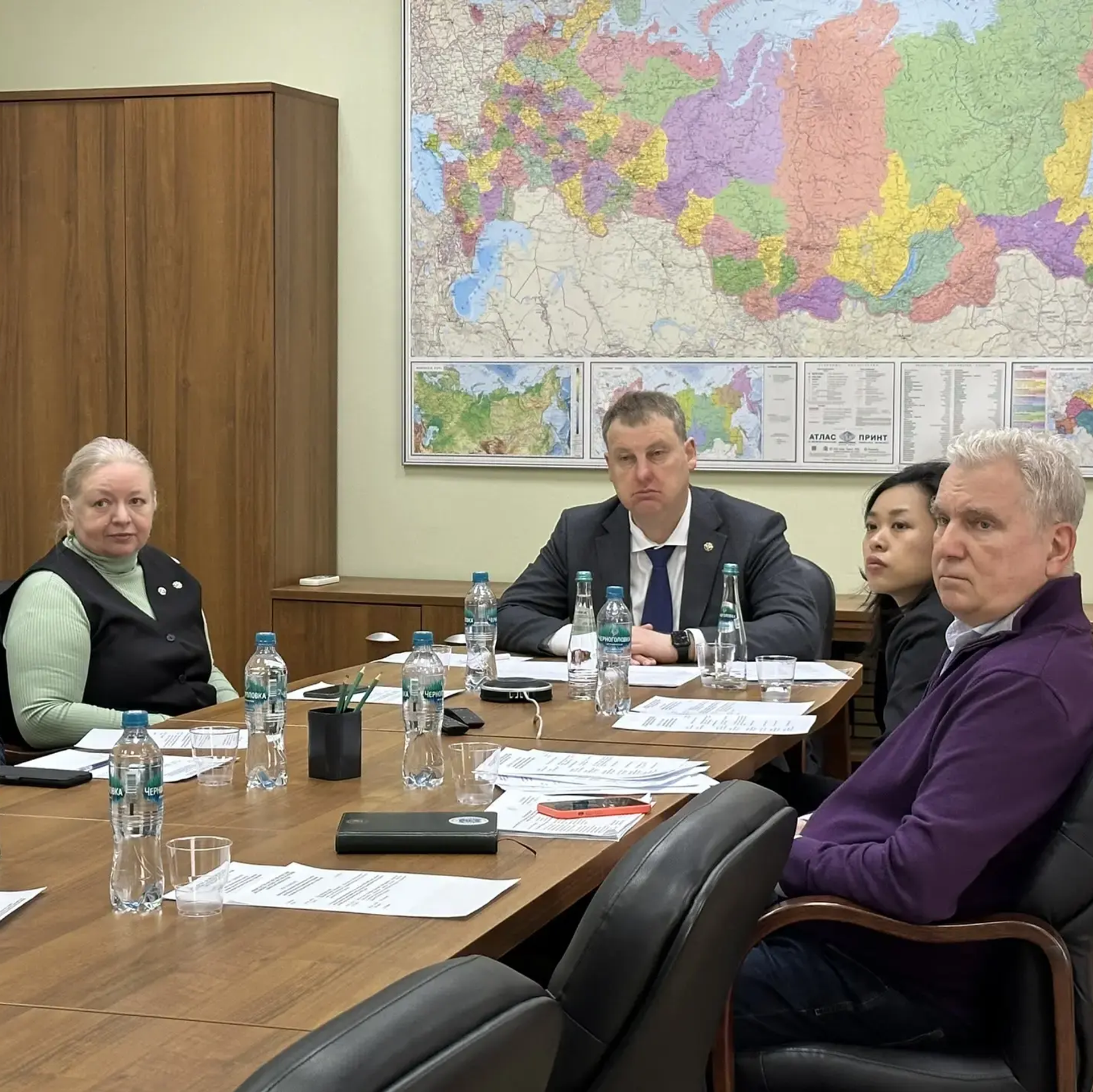
Public Council of the Ministry for the Development of the Russian Far East and Arctic outlines measures to implement demographic strategy in the Far Eastern Federal District
Public Council of the Ministry for the Development of the Russian Far East and Arctic outlines measures to implement demographic strategy in the Far Eastern Federal District
Arctic.ru: Discover how Russia implements its development goals in the Arctic and the Far East
2026-04-22T14:23
2026-04-22T14:23
2026-04-22T17:45
news
ministry for the development of the russian far east and arctic
far eastern federal district
social affairs
/img/07ea/04/16/1426479_0:169:1920:1249_1920x0_80_0_0_2e25e7213a24617dea906aac791a2d5a.png
Over 70 measures are planned as part ofthe first phase of the Demographic Policy Strategy for the Russian Far East until 2030 and the 2036 planning period, the Ministry’s press service reported.The strategy aims to attract skilled professionals and retain local residents across the macroregion.According to Grigory Smolyak, Director of the Ministry’s Department for Social Development of the Far East and Arctic, a range ofeffective support measures is already in place. These include subsidized rental housing, the Far Eastern Mortgage program, the Far Eastern Hectare initiative, and mortgage repayment support following the birth of a third child.“We are seeing how effectivethis coordinated approach is and how strong the impact of state support for young families can be. It is being implemented in eight Far Eastern territories, and in regions such as Primorye, the birth rate for third and subsequent children has increased by 8 percent, outpacing the national average,” he said.It has been proposed to extend the one million ruble payment towards mortgage repayment for families after the birth ofa third or subsequent child through 2029. Birth rates are also expected to be supported through the development of training and skills centers, enabling residents to build careers after having children.Participants also focused on improving the quality of healthcare services. According to Grigory Smolyak, a new model of mobile medical teams is already operating in Yakutia, the Magadan and Sakhalin regions, helping to expand access to care. There are plans to roll out this approach across the entire Far East.The meeting also addressed attracting young people and qualified specialists to the Far Eastern Federal District, as well as improving the quality of vocational education. The Far East could strengthen its appeal by opening new university branches, creating graduate employment programs, offering relocation payments, and expanding access torental housing.In addition, modernization of the technical infrastructure of colleges is expected to be completed next year, in linewith the presidential instruction to establish new training workshops across the Far East.
https://en.arctic.ru/20260320/1334696.html
2026
Новости
ru-RU
https://en.arctic.ru/docs/about/copyright.html
https://xn--c1acbl2abdlkab1og.xn--p1ai/
/img/07ea/04/16/1426479_0:0:1920:1440_1920x0_80_0_0_7d7d551cc3cb0e2c0955aec56ffbb0d2.pngnews, ministry for the development of the russian far east and arctic, far eastern federal district, social affairs
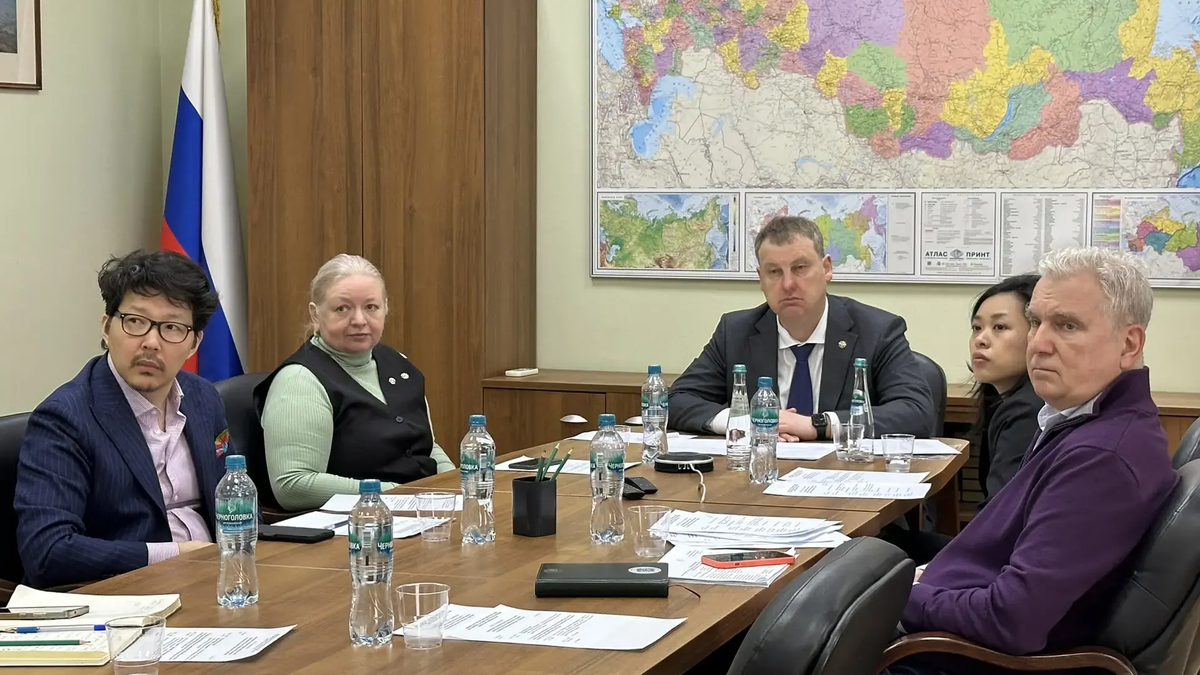
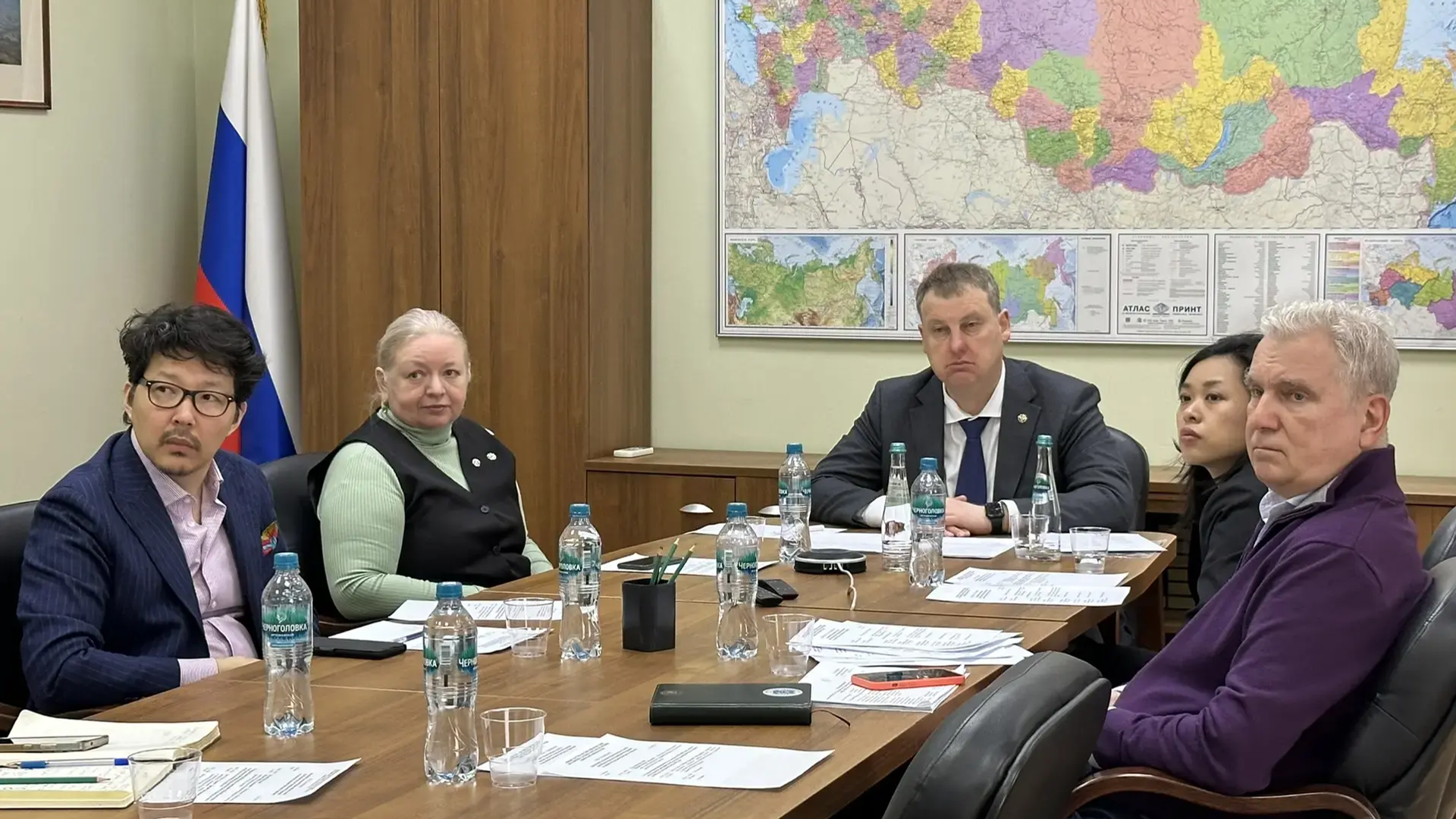
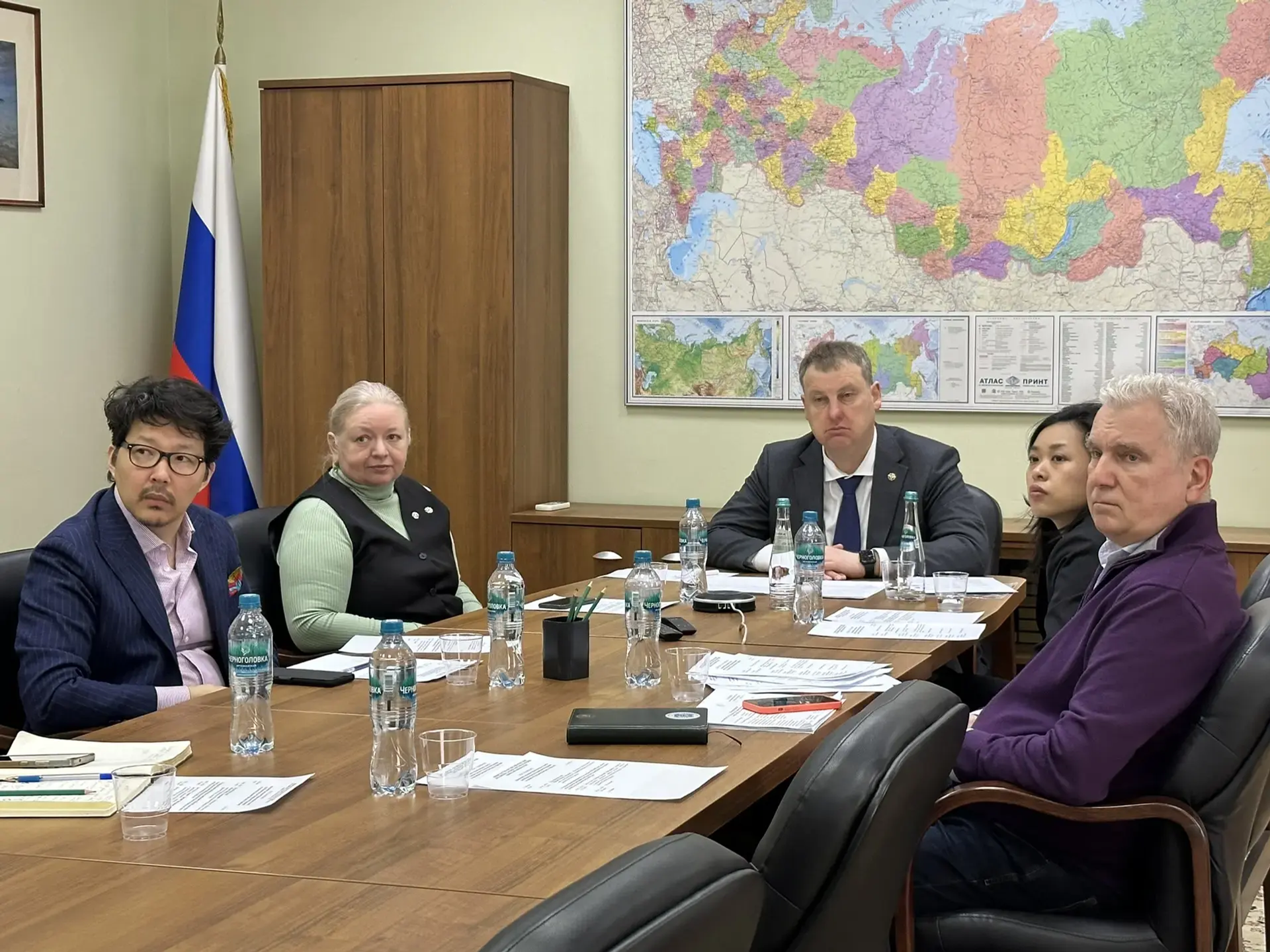
Over 70 measures are planned as part ofthe first phase of the Demographic Policy Strategy for the Russian Far East until 2030 and the 2036 planning period, the Ministry’s press service reported.
The strategy aims to attract skilled professionals and retain local residents across the macroregion.
According to Grigory Smolyak, Director of the Ministry’s Department for Social Development of the Far East and Arctic, a range ofeffective support measures is already in place. These include subsidized rental housing, the Far Eastern Mortgage program, the Far Eastern Hectare initiative, and mortgage repayment support following the birth of a third child.
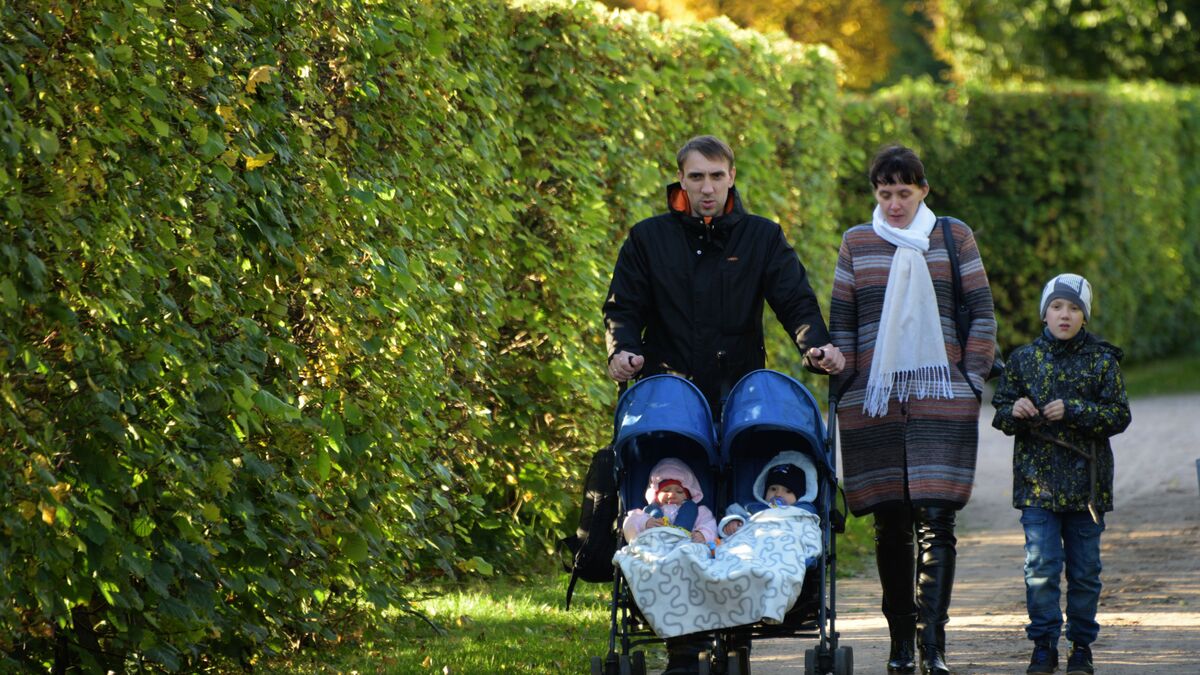
“We are seeing how effectivethis coordinated approach is and how strong the impact of state support for young families can be. It is being implemented in eight Far Eastern territories, and in regions such as Primorye, the birth rate for third and subsequent children has increased by 8 percent, outpacing the national average,” he said.
It has been proposed to extend the one million ruble payment towards mortgage repayment for families after the birth ofa third or subsequent child through 2029. Birth rates are also expected to be supported through the development of training and skills centers, enabling residents to build careers after having children.
Participants also focused on improving the quality of healthcare services. According to Grigory Smolyak, a new model of mobile medical teams is already operating in Yakutia, the Magadan and Sakhalin regions, helping to expand access to care. There are plans to roll out this approach across the entire Far East.
The meeting also addressed attracting young people and qualified specialists to the Far Eastern Federal District, as well as improving the quality of vocational education. The Far East could strengthen its appeal by opening new university branches, creating graduate employment programs, offering relocation payments, and expanding access torental housing.
In addition, modernization of the technical infrastructure of colleges is expected to be completed next year, in linewith the presidential instruction to establish new training workshops across the Far East.