https://en.arctic.ru
Despite snowstorms and poor roads: Mobile doctors in Arctic Yakutia
Despite snowstorms and poor roads: Mobile doctors in Arctic Yakutia
Arctic.ru: discover how Russia implements its development goals in the Arctic and the Far East
2026-04-20T12:49
2026-04-20T12:49
2026-04-20T12:49
republic of sakha (yakutia)
social affairs
/img/07ea/04/0e/1386055_0:11:1280:731_1920x0_80_0_0_2be35cce53c2511a84e15e2a501f41c5.jpg
The Republican Center of Mobile Medical Teams was established in the Republic of Sakha (Yakutia) in 2023 on instructions from the republic’s head, Aisen Nikolayev, within the framework of a large-scale project to improve access to medical care in the Arctic.Since then, the number of patients in follow-up care has increased by 11%, while the number of emergency admissions has decreased by over 42%.The project now covers nearly the whole of Yakutia and is growing into the key model of healthcare development in the North. This item of the Far East and Arctic Development project speaks about mobile medical teams that use boats, snowmobiles and helicopters to reach their patients, and the things they appreciate most of all in their difficult work.Poor transport accessibility was the main reason behind the establishment of the Republican Center of Mobile Medical Teams. The Arctic zone includes 13 regions of Yakutia, nearly all of them difficult to reach.“Emergency medical assistance is provided in the central district hospitals. But there are problems with receiving specialized medical assistance, for example, in Yakutsk, due to poor travel connectivity,” said Izabella Tikhonova, the center’s director.There are ten mobile medical teams in the republic, six for adult patients, two children’s teams, one dental team, and one psychiatric and addiction response team. Each 14-member crew includes 12 doctors and two paramedics. Overall, the center has 131 medical employees – 112 doctors and 19 paramedics.Telemedicine and the green corridorAdult mobile teams travel to difficult-to-reach areas twice a year; children’s teams do this once a year, and the rest go there on request.According to Izabella Tikhonova, illnesses in the North do not differ much from other regions. The most frequent cases include cardiovascular conditions, eye disorders, and joint diseases.“However, there are several specific features that influence health in our region, namely the climate, the diet, and limited access to fresh products,” she said, adding that there is also a severe lack of vitamin D.During their visits, the medical teams identify patients with chronic non-communicable diseases, whom they visit twice a year and also use telemedicine to monitor their health.She said that medical specialists often consult patients over the phone because video communication is only available in 40% of cases. Consultations are held in accordance with special check lists, which are sent to patients in advance.During visits, medical teams can help patients make an appointment with specialists by creating the so-called green corridor, which is a simplified and accelerated method for receiving direct access to medical assistance. If necessary, patients can be referred not only to medical centers in Yakutia but also to federal centers in other regions. The Regional Center has signed agreements with the Turner National Medical Research Center for Pediatric Orthopedics and Trauma Surgery and the Petrov National Medical Research Center of Oncology, where local patients, including children, can receive specialized treatment and rehabilitation.Mobile teams are an outdoor jobThe project has been noted by major achievements. In 2025, the number of patients in follow-up care increased by 11% (to 4,831). The level of patient satisfaction has grown from 48% before the launch of the project to 65% after the establishment of mobile teams.Izabella Tikhonova pointed out that in 2025, the number of emergency admissions decreased by 42.2%, and the number of ambulance calls by 41.5%.She said that the mobile teams are expanding their area of operation.Nevertheless, the Republican Center is short of doctors, especially eye specialists, neurologists, urologists and sonographers. The center is actively using external specialists (160 of them were recruited last year), each of whom are trained for working on mobile teams.“This is hard work, with irregular working hours because we work to the last patient. Second, the working conditions are often challenging, as the teams attend to patients at rural health units, cultural centers, and gyms, where our doctors sometimes sleep as well,” Tikhonova said.Extreme weather conditions of the Arctic pose a serious challenge, but this is where special transport is used.“Our teams use various modes of transportation, such as helicopters, boats, ice road vehicles, and even snowmobiles,” she added.On the other hand, working on mobile teams has many benefits, including a higher pay and a chance to travel.The center has applied for a license to provide medical treatment to the residents of Arctic settlements in Yakutsk, which will help medics to perform comprehensive check-ups and monitor their patients’ health more thoroughly.Izabella Tikhonova also said that the green corridor program will be expanded to create a similar system for cardiovascular patients. The center will also recruit subspecialists to ensure quality and accessible medical assistance for everyone.
2026
Новости
ru-RU
https://en.arctic.ru/docs/about/copyright.html
https://xn--c1acbl2abdlkab1og.xn--p1ai/
/img/07ea/04/0e/1386055_0:0:1280:960_1920x0_80_0_0_6dc8502d78d62c0cb0182da8fb93c823.jpgrepublic of sakha (yakutia), social affairs
The Republican Center of Mobile Medical Teams was established in the Republic of Sakha (Yakutia) in 2023 on instructions from the republic’s head, Aisen Nikolayev, within the framework of a large-scale project to improve access to medical care in the Arctic.
Since then, the number of patients in follow-up care has increased by 11%, while the number of emergency admissions has decreased by over 42%.
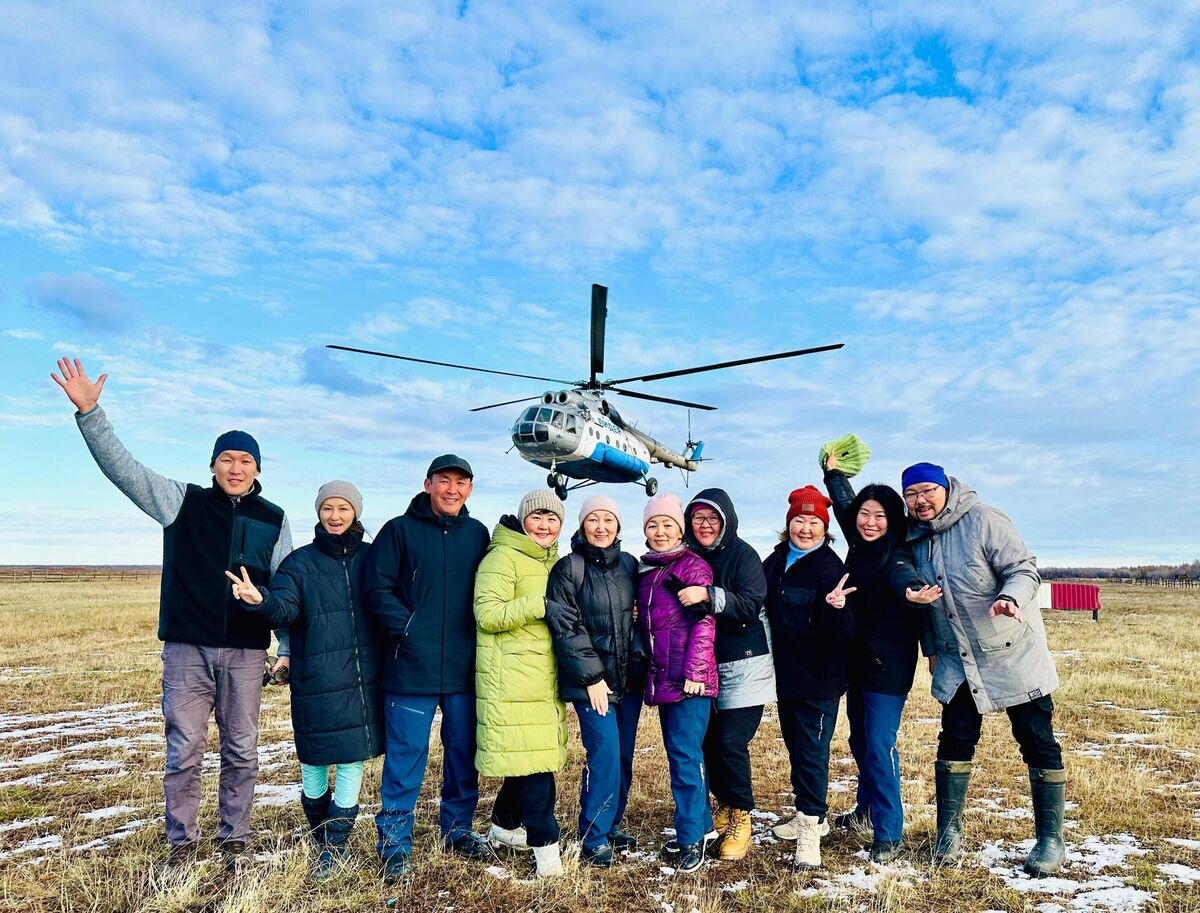
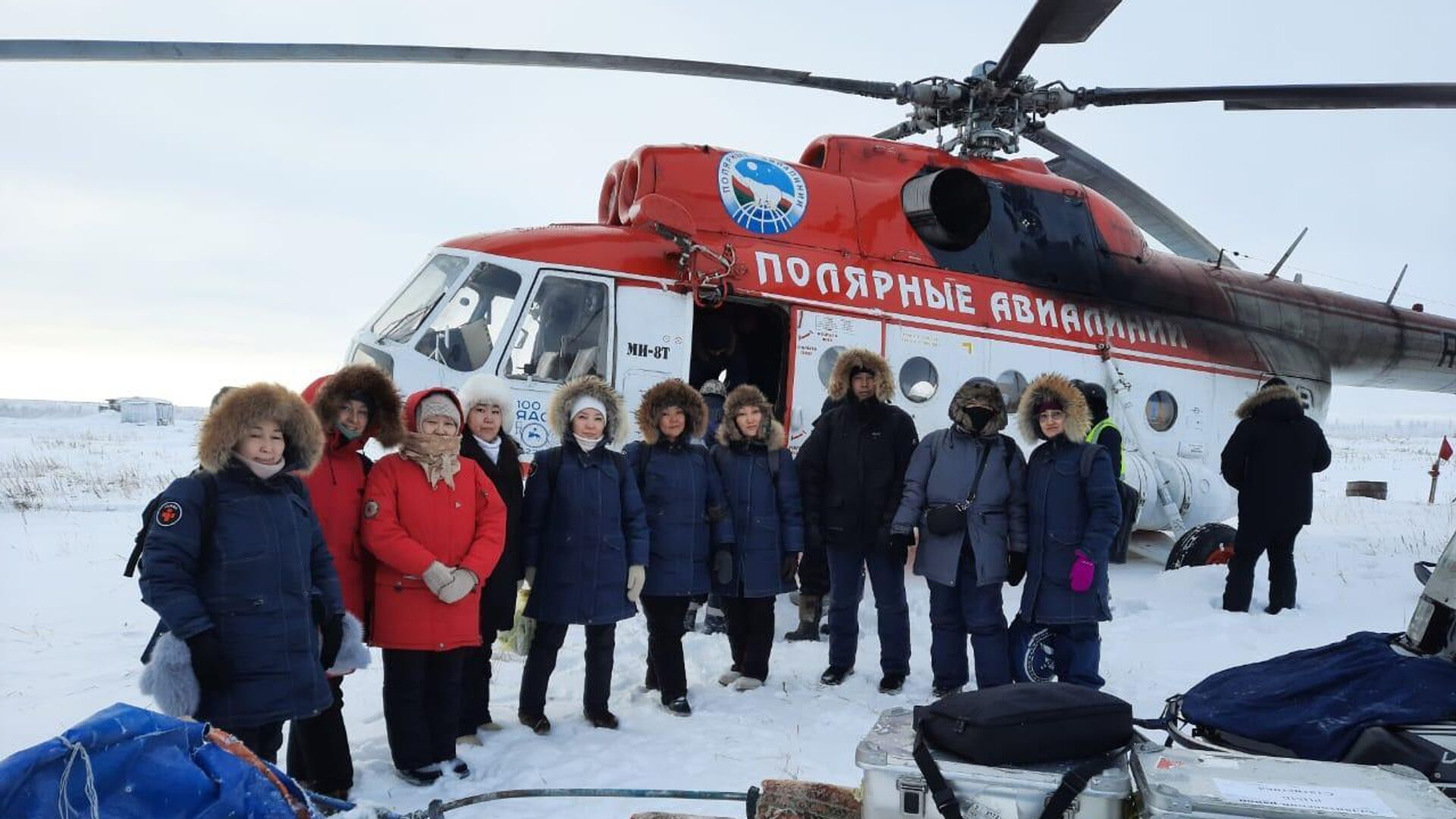
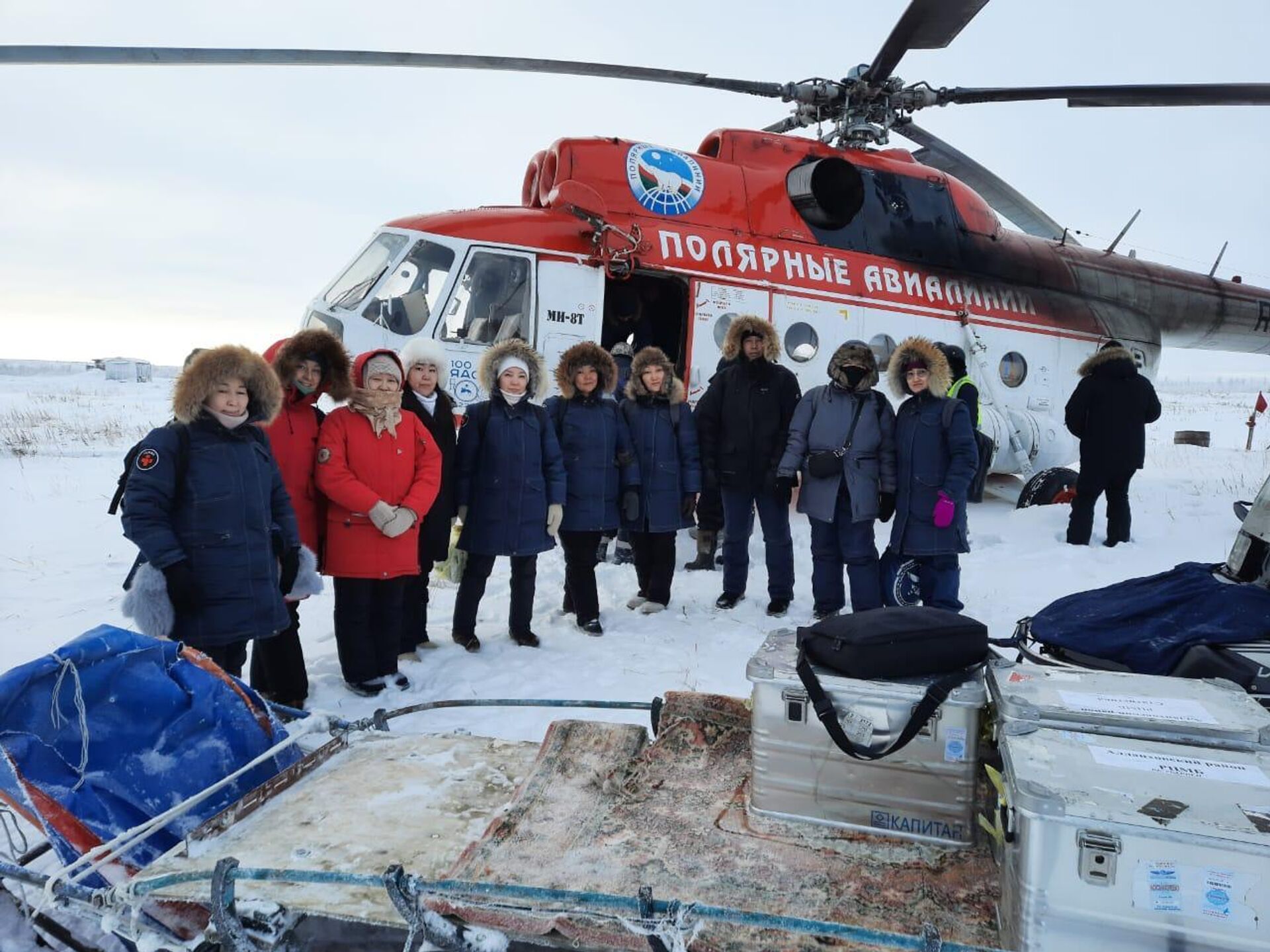
The project now covers nearly the whole of Yakutia and is growing into the key model of healthcare development in the North. This item of the Far East and Arctic Development project speaks about mobile medical teams that use boats, snowmobiles and helicopters to reach their patients, and the things they appreciate most of all in their difficult work.
Poor transport accessibility was the main reason behind the establishment of the Republican Center of Mobile Medical Teams. The Arctic zone includes 13 regions of Yakutia, nearly all of them difficult to reach.
“Emergency medical assistance is provided in the central district hospitals. But there are problems with receiving specialized medical assistance, for example, in Yakutsk, due to poor travel connectivity,” said Izabella Tikhonova, the center’s director.
There are ten mobile medical teams in the republic, six for adult patients, two children’s teams, one dental team, and one psychiatric and addiction response team. Each 14-member crew includes 12 doctors and two paramedics. Overall, the center has 131 medical employees – 112 doctors and 19 paramedics.
“The teams include general practitioners and pediatricians, as well as medical specialists (cardiologists, endocrinologists, ophthalmologists, neurologists, surgeons, urologists, trauma surgeons, ENT doctors, psychiatrists, etc.),” Tikhonova added.
Telemedicine and the green corridor
Adult mobile teams travel to difficult-to-reach areas twice a year; children’s teams do this once a year, and the rest go there on request.
According to Izabella Tikhonova, illnesses in the North do not differ much from other regions. The most frequent cases include cardiovascular conditions, eye disorders, and joint diseases.
“However, there are several specific features that influence health in our region, namely the climate, the diet, and limited access to fresh products,” she said, adding that there is also a severe lack of vitamin D.
During their visits, the medical teams identify patients with chronic non-communicable diseases, whom they visit twice a year and also use telemedicine to monitor their health.
“Telemedicine is a vital instrument, especially for difficult-to-reach regions where there is only one paramedic and no regular access to doctors,” Tikhonova noted.
She said that medical specialists often consult patients over the phone because video communication is only available in 40% of cases. Consultations are held in accordance with special check lists, which are sent to patients in advance.
During visits, medical teams can help patients make an appointment with specialists by creating the so-called green corridor, which is a simplified and accelerated method for receiving direct access to medical assistance. If necessary, patients can be referred not only to medical centers in Yakutia but also to federal centers in other regions. The Regional Center has signed agreements with the Turner National Medical Research Center for Pediatric Orthopedics and Trauma Surgery and the Petrov National Medical Research Center of Oncology, where local patients, including children, can receive specialized treatment and rehabilitation.
Mobile teams are an outdoor job
The project has been noted by major achievements. In 2025, the number of patients in follow-up care increased by 11% (to 4,831). The level of patient satisfaction has grown from 48% before the launch of the project to 65% after the establishment of mobile teams.
Izabella Tikhonova pointed out that in 2025, the number of emergency admissions decreased by 42.2%, and the number of ambulance calls by 41.5%.
She said that the mobile teams are expanding their area of operation.
“Since 2024, we have been practicing visits to difficult-to-reach regions outside the Russian Arctic. There are about 364 of them in Yakutia. In other words, mobile teams now visit patients throughout the republic,” she said.
Nevertheless, the Republican Center is short of doctors, especially eye specialists, neurologists, urologists and sonographers. The center is actively using external specialists (160 of them were recruited last year), each of whom are trained for working on mobile teams.
“This is hard work, with irregular working hours because we work to the last patient. Second, the working conditions are often challenging, as the teams attend to patients at rural health units, cultural centers, and gyms, where our doctors sometimes sleep as well,” Tikhonova said.
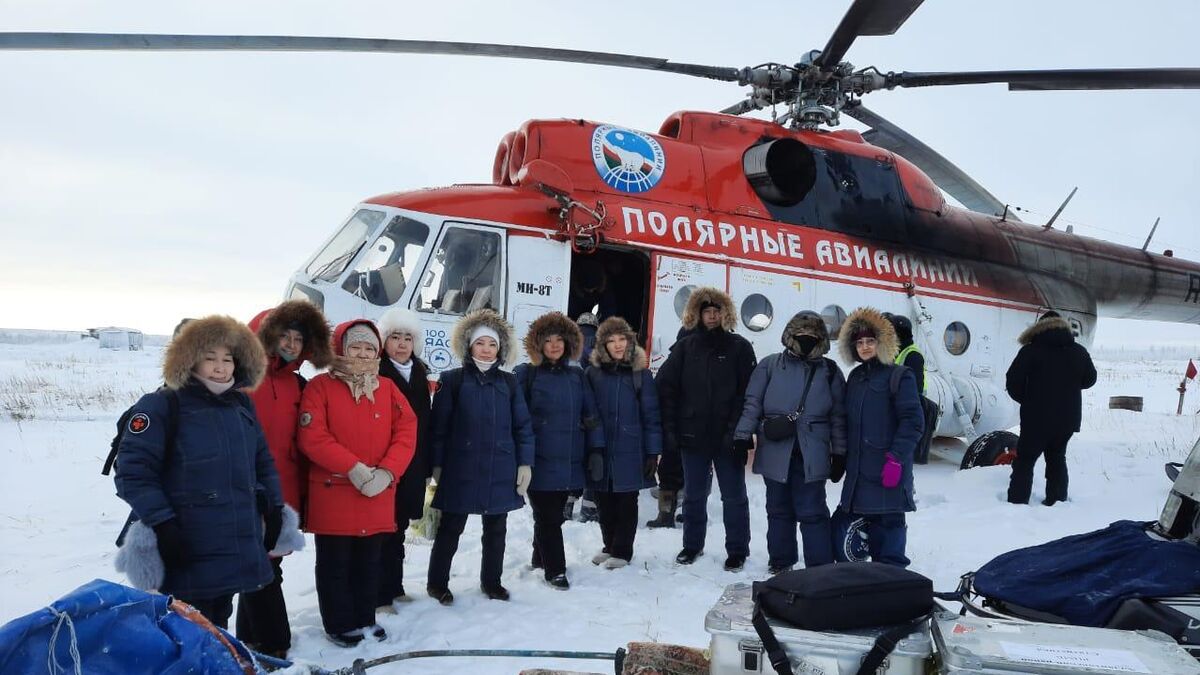
Extreme weather conditions of the Arctic pose a serious challenge, but this is where special transport is used.
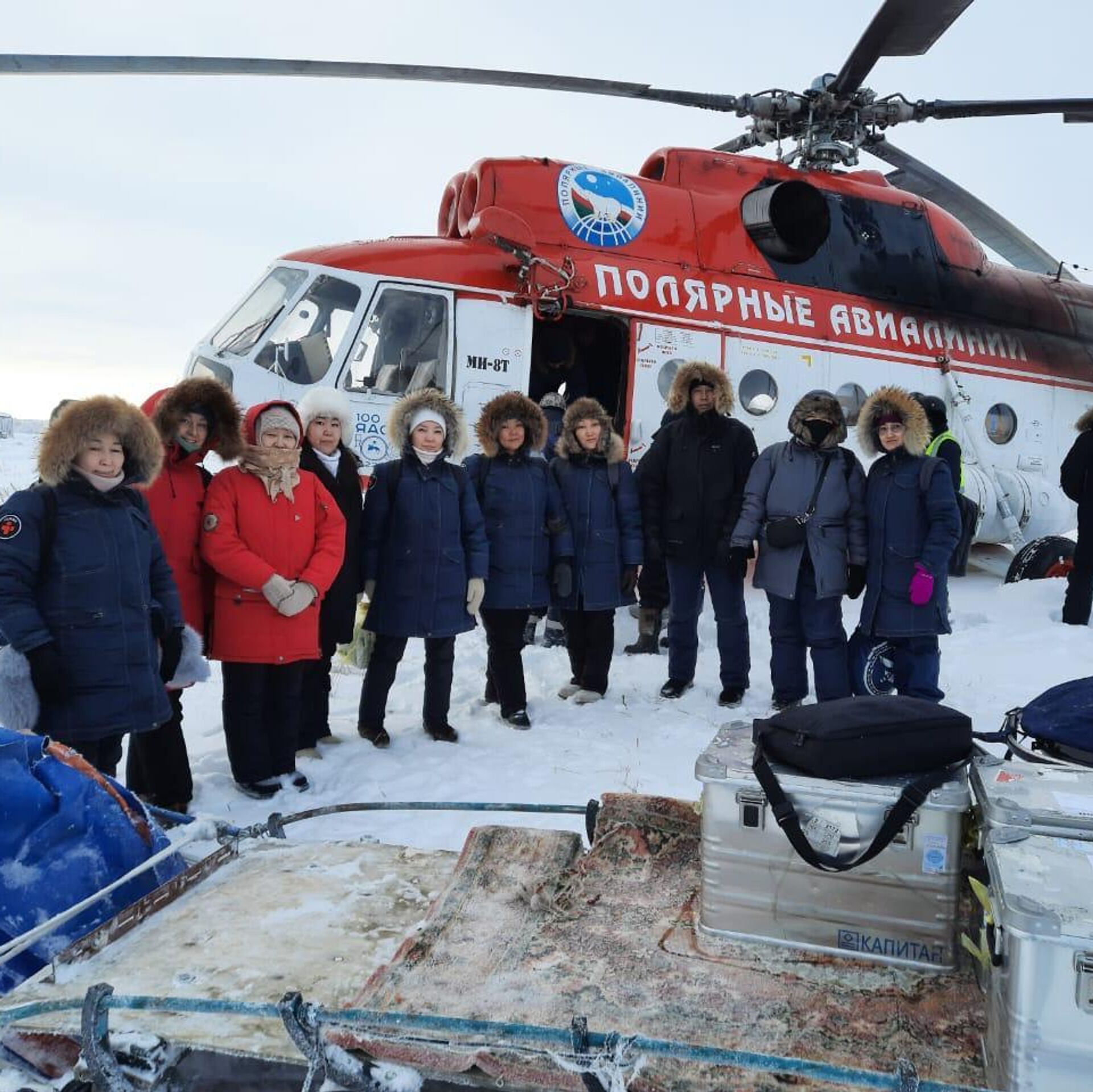
“Our teams use various modes of transportation, such as helicopters, boats, ice road vehicles, and even snowmobiles,” she added.
On the other hand, working on mobile teams has many benefits, including a higher pay and a chance to travel.
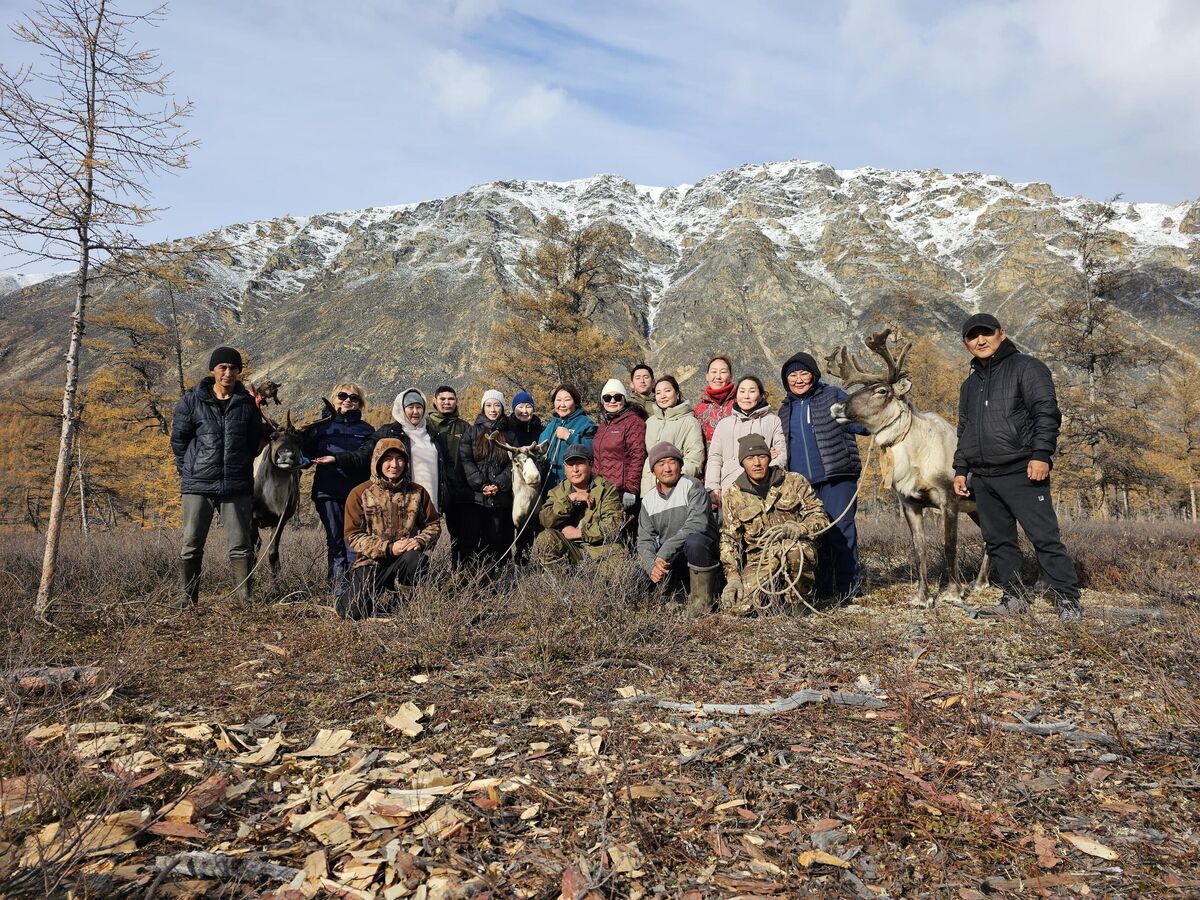
“Mobile teams are not an indoor job like in ordinary outpatient clinics. It is an opportunity to enjoy the beauty of the pristine Arctic nature. Every region has its own specifics and conditions, but patients wait for us everywhere and are sincerely grateful for our assistance. This is probably what our doctors value most of all,” Tikhonova said.
The center has applied for a license to provide medical treatment to the residents of Arctic settlements in Yakutsk, which will help medics to perform comprehensive check-ups and monitor their patients’ health more thoroughly.
Izabella Tikhonova also said that the green corridor program will be expanded to create a similar system for cardiovascular patients. The center will also recruit subspecialists to ensure quality and accessible medical assistance for everyone.