18:00 18.04.2026
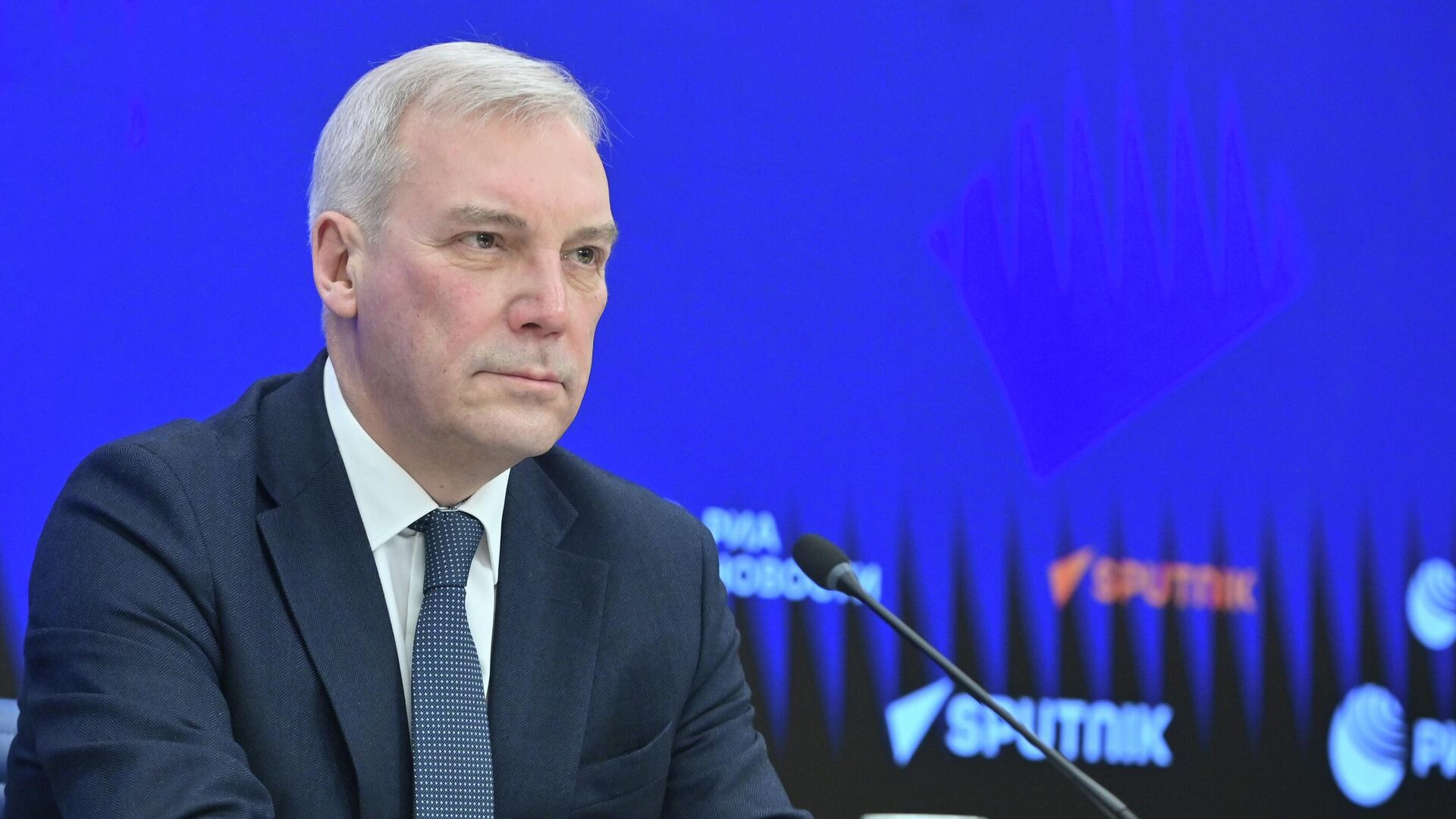
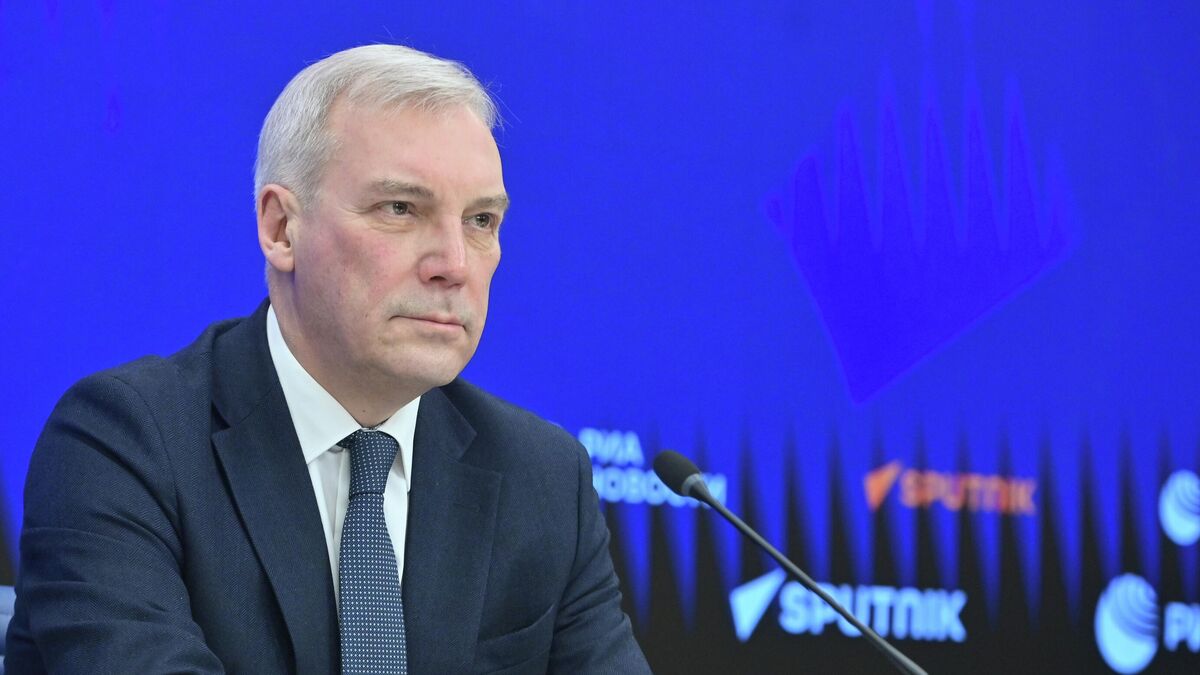
Deputy Foreign Minister: Rising strategic and economic importance of the Arctic
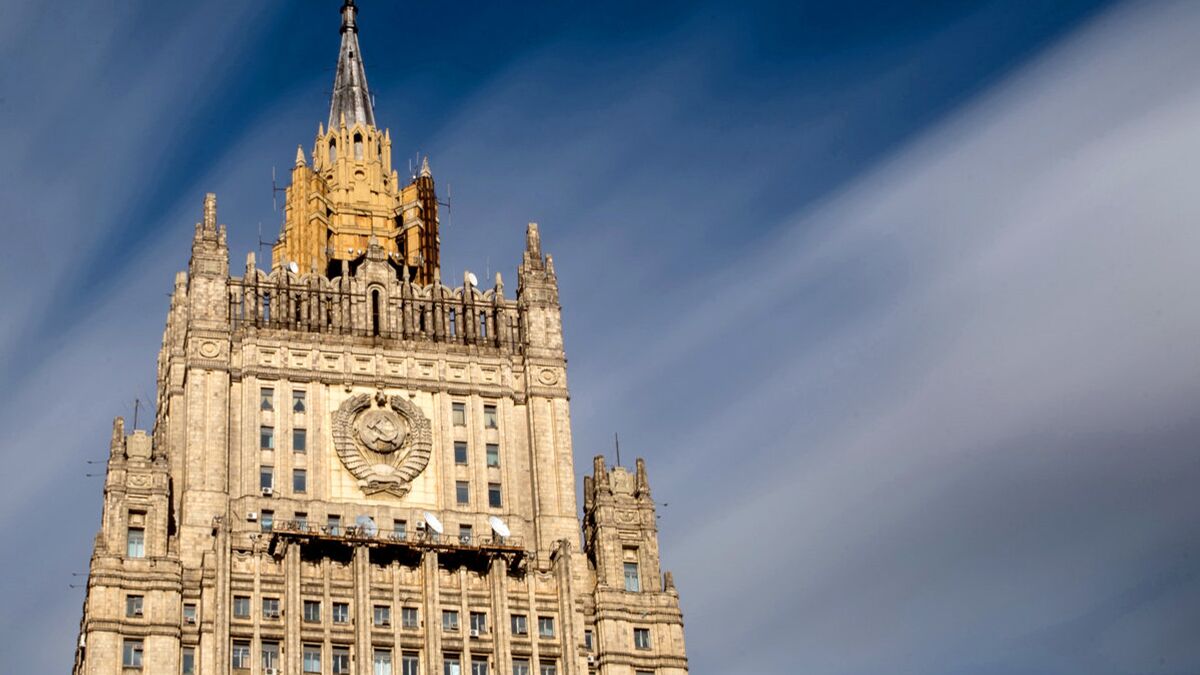
© RIA Novosti / Anastasia Berezina
The Arctic boasts vast resources and immense transport and logistics potential drawing other countries’ interest with broad prospects for cooperation. However, the course adopted by the Western countries has jeopardized mutually advantageous relations. According to Deputy Foreign Minister Alexander Grushko, Russia, as a major Arctic power, remains committed to international law and to seeking political and diplomatic solutions to all issues arising in the Far North.
In an exclusive interview with the Arctic.ru portal, Alexander Grushko spoke about cooperation with partner countries in the Arctic, approaches to substantiating the outer limits of Russia’s continental shelf, and why the development of the Northern Sea Route is among top priorities of the country’s Arctic policy.
– Mr Grushko, what is your assessment of the geopolitical situation in the Arctic? What are Russia’s top foreign policy priorities in that region?
– Alexander Grushko: The strategic and economic importance of the Arctic is steadily rising. The region boasts vast resources and immense transport and logistics potential drawing interest from other countries - Arctic and non-Arctic alike - with broad prospects for cooperation
However, in recent years, the Western countries’ approaches toward the Arctic have clearly come to be dominated by confrontation and force-based scenarios for securing their interests. Under the pretext of countering alleged threats from the East, NATO is intensively militarising the Arctic and building up its offensive capabilities. The EU continues to adopt more packages of illegitimate sanctions on our country, thus creating obstacles to developing the Russian Arctic and, more broadly, international cooperation in the North. As a result, military and political tensions are rising in a region that once stood out for its spirit of peaceful and constructive dialogue and laying the groundwork for unintended escalation.
Despite the unstable geopolitical environment, Russia, as the largest Arctic power, remains committed to international law and to seeking political and diplomatic solutions to all issues arising in the Far North. We continue to adhere to the principles enshrined in Russia’s 2023 Foreign Policy Concept which include striving to preserve peace and stability, mitigating threats to national security, enhancing environmental sustainability in the North, and ensuring favorable international environment for the socioeconomic development of the region, including in the interest of protecting the rights of indigenous peoples.
Russia is open to pragmatic dialogue and pursuing joint projects in high latitudes with its constructively-minded partners on the basis of respect for our country’s sovereign rights and interests in the Arctic. At the same time, we will continue to closely monitor emerging challenges in the North and to respond as necessary. Attempts to ignore Russia’s national interests in the Arctic, especially security interests, will not go unanswered.
– Is cooperation with the Arctic states continuing? If so, in which areas?
– Alexander Grushko: As a result of the Western countries’ confrontational course toward our country, mutually beneficial cooperation in the North which was making wide strides during many years has come under pressure in important areas such as emergency response and disaster relief, search and rescue, fisheries, ecology and environmental protection, and scientific research. Given the circumstances, maintaining dialogue with other Arctic countries presents a challenge and is even impossible in some areas due to their stringent sanctions policies. It’s not that all contacts with them have been severed, but their intensity and scope are significantly limited.
In essence, the Arctic Council is the only remaining multilateral format in high latitudes but its full-scale activities have been frozen since March 2022 at the initiative of Western countries. The Russian Federation remains a full member of this organization and is making the necessary efforts to further advance its international project activities, to resume direct contacts through participating indigenous organizations, and to emphasize in the Council’s strategic documents the importance of maintaining peace, stability, and cooperation in the region. Overall, we observe a general, albeit cautious, interest among our Arctic colleagues in preserving this format, which gives some grounds for optimism.
We have never turned down offers to establish contacts with our neighbors in the region and will be ready for full-on and substantive joint work when they come to appreciate the importance of returning to dialogue on an equal footing. The shared challenges of the Arctic call for collective solutions.
– How does Russia intend to uphold its rights in northern latitudes? What tactics and leverage can our country use to do so?
– Alexander Grushko: Without a doubt, relying on international law is a method of choice for our country when it comes to upholding its interests in the Far North. The applicable international legal framework for the Arctic, which is based on the 1982 UN Convention on the Law of the Sea, is generally sufficient for peaceful resolution of all issues that may arise in the region and serves the interests of Russia as the largest Arctic power. However, this instrument can function effectively only if all parties comply in good faith with the established legal norms, which implies showing political will. We reserve the full right to independently partner up with the countries that are committed to following these norms.
We understand that in the current less-than-favorable geopolitical environment, relying solely on integrity of our Arctic neighbors would be naïve. That is why our country is prepared to defend its interests and ensure its security in the Arctic region under any scenario and to use all available political, diplomatic, economic, and, if necessary, military means to do so
In this regard, I would like to point out that all of our country’s military activities in the Far North are purely defensive in nature. The dedicated infrastructure in the Arctic has existed for a long time now, and its modernization in recent years reflects Russia’s increased focus on developing its polar territories. It poses no threat to anyone and is designed, among other things, to support economic activity and to sustain the livelihoods of the local population.
– Is it possible to resolve the issue of substantiating the outer limits of Russia’s continental shelf in the Arctic in the foreseeable future?
– Alexander Grushko: First, substantiating the attribution of certain areas of the seabed of the Arctic Ocean beyond 200 nautical miles from our coast to the continental shelf of the Russian Federation and establishing the outer limits of Russia’s shelf are two different processes.
The substantiation is carried out through the Commission on the Limits of the Continental Shelf, and significant progress has been achieved in this regard.
Russia submitted its first application to the Commission on the Limits of the Continental Shelf in 2001. Our country blazed the trail in this regard. The Commission issued recommendations on that submission in 2002 which were used to delimit the continental shelf beyond 200 nautical miles in the Barents Sea with Norway in 2010. In addition, taking into account new research data, two revised partial submissions concerning the continental shelf in the Sea of Okhotsk and in the Arctic Ocean were put together in 2013 and 2015, respectively.
The Commission issued positive recommendations on Russia’s submission regarding the Sea of Okhotsk shelf in 2014. On that basis, the seabed of the central part of the Sea of Okhotsk was recognized as part of the continental shelf of the Russian Federation.
The first meeting of the Commission on Russia’s submission regarding the Arctic Ocean shelf took place in February 2016. Given the comprehensive nature of our submission and the vast seabed areas it covered, it took the Commission more than seven years to consider it. The Russian interagency delegation led by the Ministry of Natural Resources repeatedly presented new research data to substantiate Russia’s claims.
The outcome of this painstaking work was undoubtedly worth the effort: in 2023, despite the worsening geopolitical situation, the Commission adopted positive recommendations on Russia’s revised partial submission of 2015 concerning the Arctic Ocean shelf and two addenda to it.
At present, the Commission is considering a revised partial submission filed in 2023 regarding the continental shelf in the area of the Gakkel Ridge. Its consideration is still ongoing.
As for the second aspect, namely, establishing the outer limits of the shelf in the Arctic, there is clarity with regard to the Barents Sea. We need to reach an agreement with our Arctic neighbors before we can finally delimit the extended continental shelf of the Arctic Ocean.
The negotiating process on delimitation can begin once Denmark and Canada receive recommendations on their national submissions to the Commission on the Limits of the Continental Shelf and provided that the appropriate geopolitical conditions are in place.
– Which countries would Russia like to partner up with in the Arctic? Which particular countries are we willing to pursue, or are already pursuing, cooperation with in the Arctic zone?
– Alexander Grushko: The comprehensive development of the Far North has always been and remains one of Russia’s top priorities. We are open to cooperation in high latitudes with all constructively-minded countries on an understanding that any dialogue must be based on respect for our country’s sovereign rights and interests in the Arctic. This position has been repeatedly made known by the Russian leadership and Foreign Ministry officials. Speaking at the plenary session of the 6th International Arctic Forum, The Arctic: Territory of Dialogue, on March 27, 2025 in Murmansk, President Vladimir Putin emphasized that “We are prepared to collaborate not only with Arctic states but with all who, like us, share responsibility for ensuring a stable and sustainable future for the planet and are capable of adopting balanced decisions.”
Dialogue in high latitudes with the stakeholder non-Arctic countries is progressing successfully. China and India are our main partners, with which cooperation is making the greatest strides.
Joint work is being carried out in conjunction with them across a broad range of areas of focus, including mineral extraction, logistics, shipping, innovation, research cooperation, and training of personnel. We see potential for practical cooperation with other non-regional actors as well. For example, one of the highly sought-after areas of interaction with Latin American countries in the Arctic is science and research, especially given that many of them have extensive background in Antarctic studies.
– The situation in the Persian Gulf once again shows that the Northern Sea Route is becoming an alternative to traditional routes. Is Russia ready for cooperation on the Northern Sea Route? Which countries are showing interest in using this shipping route and becoming partners?
– Alexander Grushko: Indeed, amid international turbulence in different regions of the world, the Northern Sea Route is becoming an increasingly attractive alternative to traditional intercontinental logistics waterways. It compares favorably not only in terms of environmental considerations and clear economic advantages associated with its shorter distance, but also in terms of enhanced security. The situation in the Strait of Hormuz is a stark example.
Developing the Northern Sea Route is a key area of Russia’s Arctic policy and a highly promising area for cooperation with constructively-minded international partners. Interest in using this waterway is growing, including from major non-regional actors such as China and India, as I indicated earlier, and not only them.
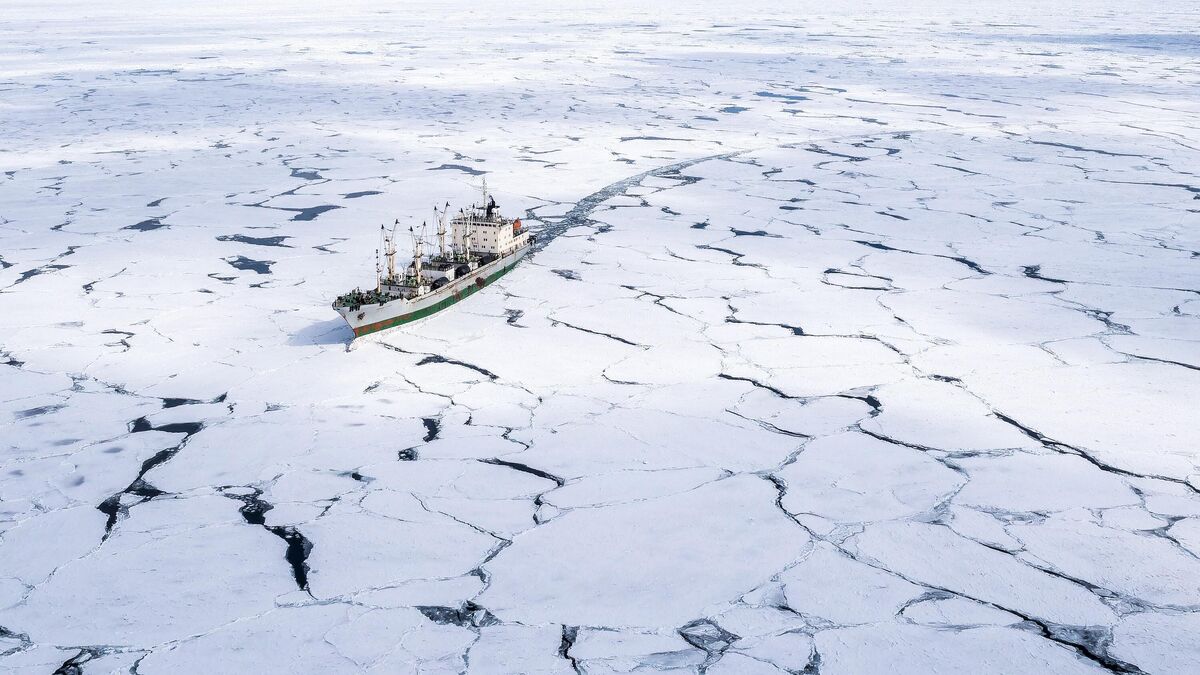
This is confirmed by the significantly increased cargo traffic along the Northern Sea Route in 2025 (24 container voyages), including between Chinese and Russian ports. In September-October 2025, the first-ever transit container voyage from China to the British port of Felixstowe took place. Substantive work is underway within dedicated intergovernmental frameworks for cooperation on the Northern Sea Route with China and India.
Additional prospects for expanding international cooperation are opening up in the context of the initiative to develop the Trans-Arctic Transport Corridor, of which the Northern Sea Route is a key element. A massive volume of work in this area is being carried out by Rosatom State Corporation and the Ministry of Transport. The Foreign Ministry, acting within its remit, will continue to facilitate the efforts to expand cooperation with foreign countries.