https://en.arctic.ru
Yury Trutnev: the Far East and the North possess allure and unique natural features
Yury Trutnev: the Far East and the North possess allure and unique natural features
Arctic.ru: Discover how Russia implements its development goals in the Arctic and the Far East
2026-04-18T12:00
2026-04-18T12:00
2026-04-20T00:41
expert opinion
yury trutnev
/img/07ea/04/13/1408699_0:0:3072:1728_1920x0_80_0_0_c094dc833851dadcc1ed57c70156b5e0.jpg
In an exclusive commentary for Arctic.ru, Deputy Prime Minister of the Government of the Russian Federation – Plenipotentiary Presidential Envoy to the Far Eastern Federal District Yury Trutnev discussed the challenges that unite the two macroregions and whether it is appropriate to compare the Black Sea coast with either the Khabarovsk Territory or Primorye.– Mr Trutnev, what unites the Arctic and the Far East? Why was a unified Ministry for the Development of the Far East and the Arctic created in Russia? In your opinion, how do these territories differ?– Yury Trutnev:These territories are united by shared challenges. Why did the Ministry for the Development of the Far East emerge in the first place? The decision was made by the President of the Russian Federation, and I merely executed it. But it seems to me that the decision was made because the development of these territories is complicated by a broad range of objective factors: climatic conditions, the remoteness of the territory, as well as energy infrastructure, the state of the Baikal-Amur Mainline and the Trans-Siberian Railway, and so on. That is, there exists a host of obstacles to the development of both the economy and the social sphere. I believe that President Vladimir Putin made this decision based on the necessity of preserving the country’s territorial integrity and of supporting objectively difficult regions – to help them rise to the average Russian level of development. That is what we are engaged in.In this respect, the Far East and the Arctic, strange as it may sound, are geographically close to each other. For example, the body of legislation that we adopted for the Far East is also closely aligned with that for the Arctic: it is, so to speak, akin in terms of preferences. However, to be frank, we drafted the set of laws for the Arctic based on the experience gained in the Far East. Therefore, we made those laws, perhaps marginally, but measurably better.– All state efforts in the Far East and Arctic regions are aimed at improving people’s lives. In your view, why do people choose to remain living in such difficult natural conditions?– Yury Trutnev:This is a very multifaceted question. If people’s choice of residence depended solely on ambient temperature, then, probably, everyone would live in the south and the Black Sea coast would be vastly overpopulated. But that simply does not happen. The fact is that both the Far East and the North possess their own allure, beauty, and unique natural features. Can one compare the Black Sea coast with the Khabarovsk Territory or Primorye? If one must, for me this comparison would rather not be in favor of the sand and the southern coast.Some people like one landscape, while others prefer another, and that is completely natural. I also want to add that many people simply live where their parents lived, where they are accustomed, where they feel comfortable, and where they feel they are treated well.
https://en.arctic.ru/20260416/1402528.html
https://en.arctic.ru/category_economy/20260126/1071438.html
2026
Новости
ru-RU
https://en.arctic.ru/docs/about/copyright.html
https://xn--c1acbl2abdlkab1og.xn--p1ai/
/img/07ea/04/13/1408699_91:0:2822:2048_1920x0_80_0_0_f4f1f3876622e9ca0f5a162d5307338e.jpgexpert opinion, yury trutnev
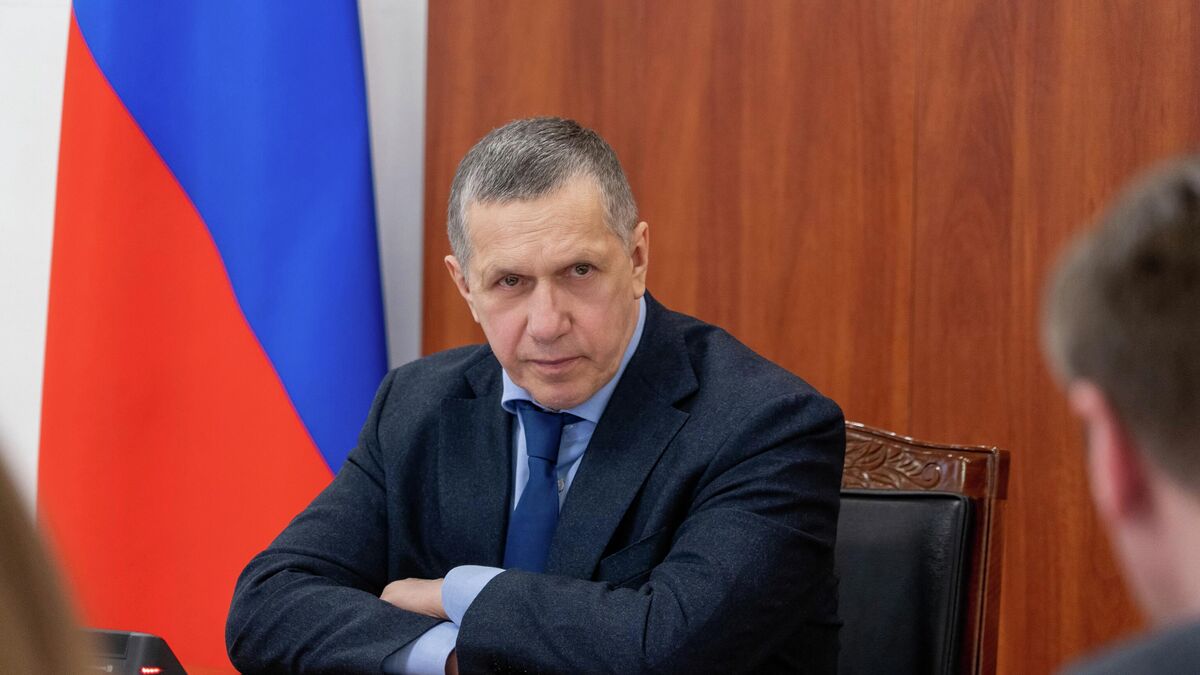
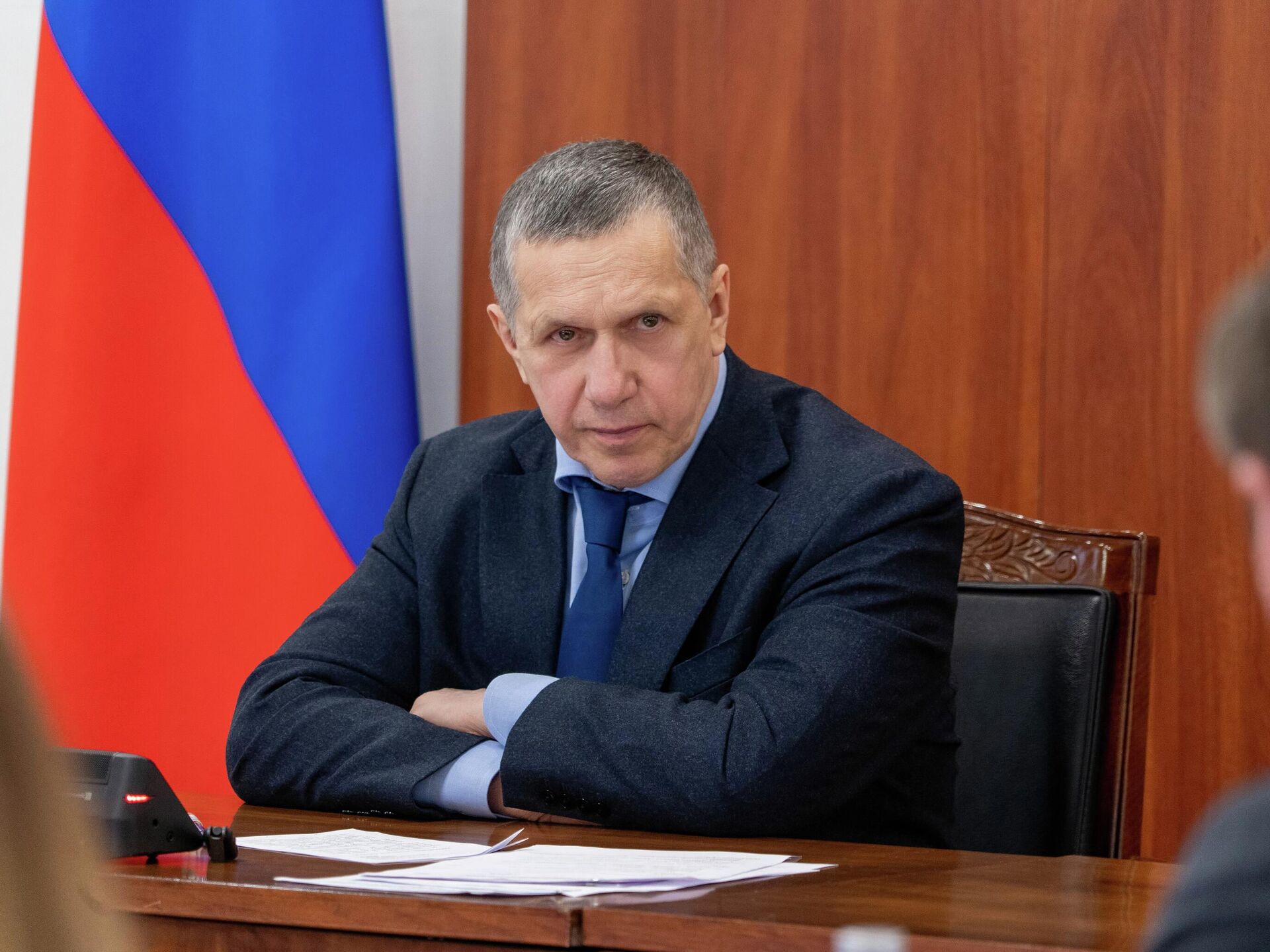
In an exclusive commentary for Arctic.ru, Deputy Prime Minister of the Government of the Russian Federation – Plenipotentiary Presidential Envoy to the Far Eastern Federal District Yury Trutnev discussed the challenges that unite the two macroregions and whether it is appropriate to compare the Black Sea coast with either the Khabarovsk Territory or Primorye.
– Mr Trutnev, what unites the Arctic and the Far East? Why was a unified Ministry for the Development of the Far East and the Arctic created in Russia? In your opinion, how do these territories differ?
– Yury Trutnev:These territories are united by shared challenges. Why did the Ministry for the Development of the Far East emerge in the first place? The decision was made by the President of the Russian Federation, and I merely executed it. But it seems to me that the decision was made because the development of these territories is complicated by a broad range of objective factors: climatic conditions, the remoteness of the territory, as well as energy infrastructure, the state of the Baikal-Amur Mainline and the Trans-Siberian Railway, and so on. That is, there exists a host of obstacles to the development of both the economy and the social sphere. I believe that President Vladimir Putin made this decision based on the necessity of preserving the country’s territorial integrity and of supporting objectively difficult regions – to help them rise to the average Russian level of development. That is what we are engaged in.
In this respect, the Far East and the Arctic, strange as it may sound, are geographically close to each other. For example, the body of legislation that we adopted for the Far East is also closely aligned with that for the Arctic: it is, so to speak, akin in terms of preferences. However, to be frank, we drafted the set of laws for the Arctic based on the experience gained in the Far East. Therefore, we made those laws, perhaps marginally, but measurably better.
– All state efforts in the Far East and Arctic regions are aimed at improving people’s lives. In your view, why do people choose to remain living in such difficult natural conditions?
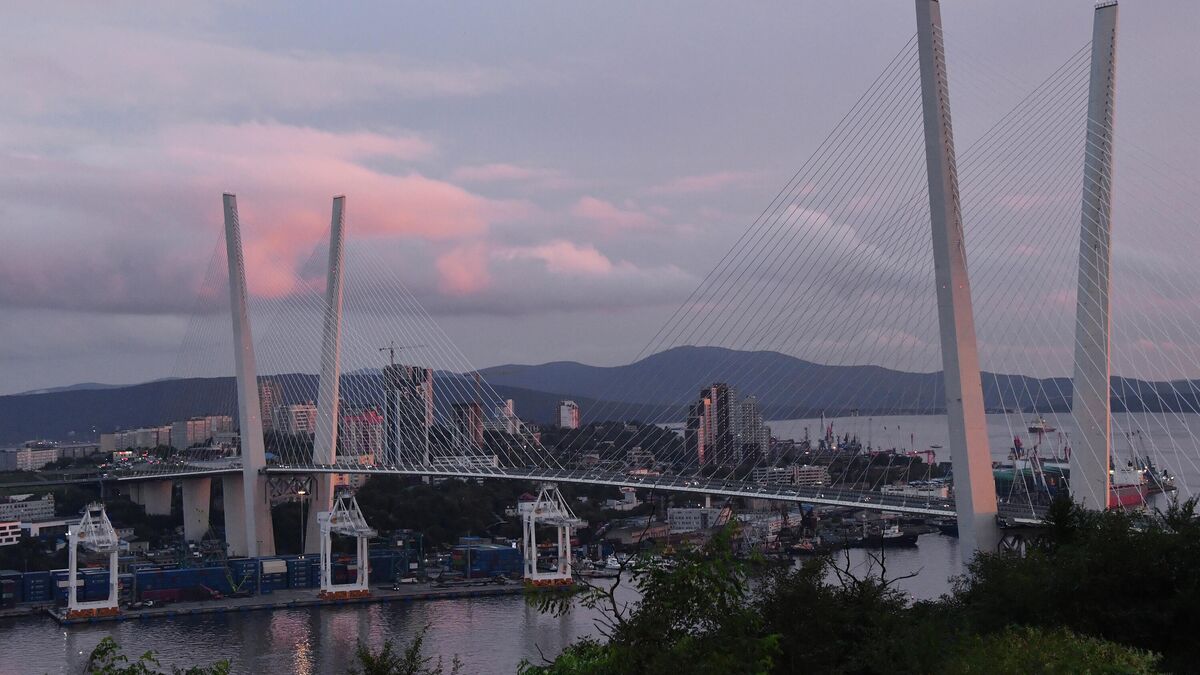
– Yury Trutnev:This is a very multifaceted question. If people’s choice of residence depended solely on ambient temperature, then, probably, everyone would live in the south and the Black Sea coast would be vastly overpopulated. But that simply does not happen. The fact is that both the Far East and the North possess their own allure, beauty, and unique natural features. Can one compare the Black Sea coast with the Khabarovsk Territory or Primorye? If one must, for me this comparison would rather not be in favor of the sand and the southern coast.
Some people like one landscape, while others prefer another, and that is completely natural. I also want to add that many people simply live where their parents lived, where they are accustomed, where they feel comfortable, and where they feel they are treated well.