19:59 16.04.2026
Microclimate assessment and wind engineering: expert details specifics of Arctic construction
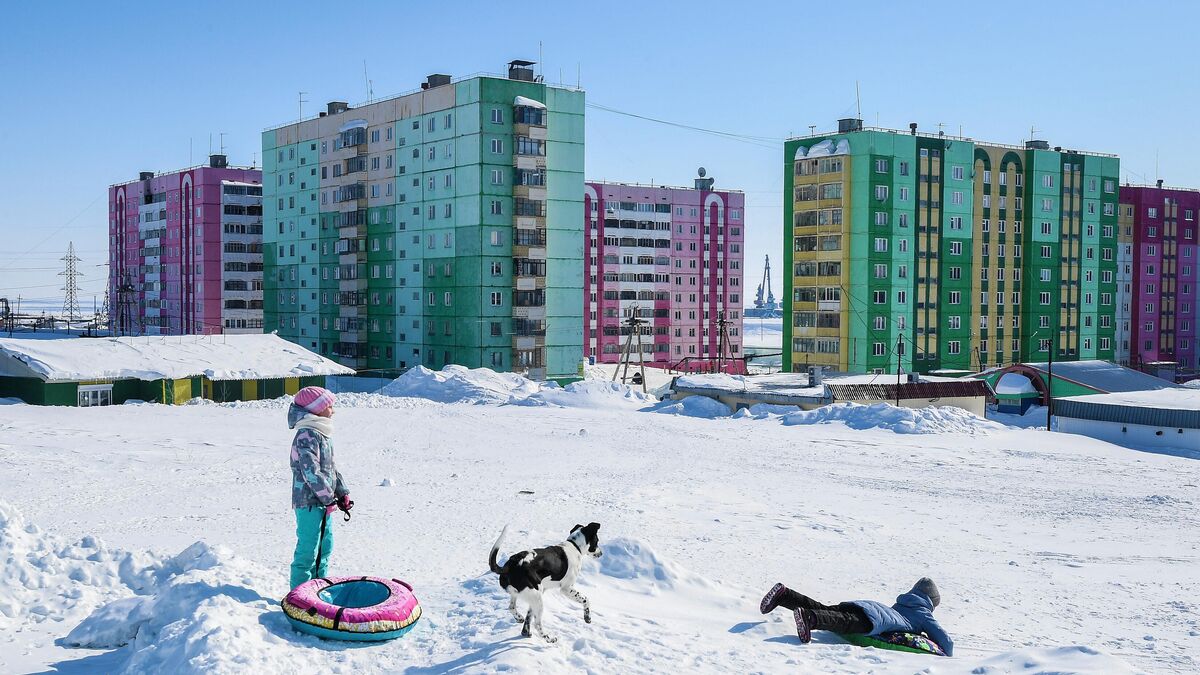
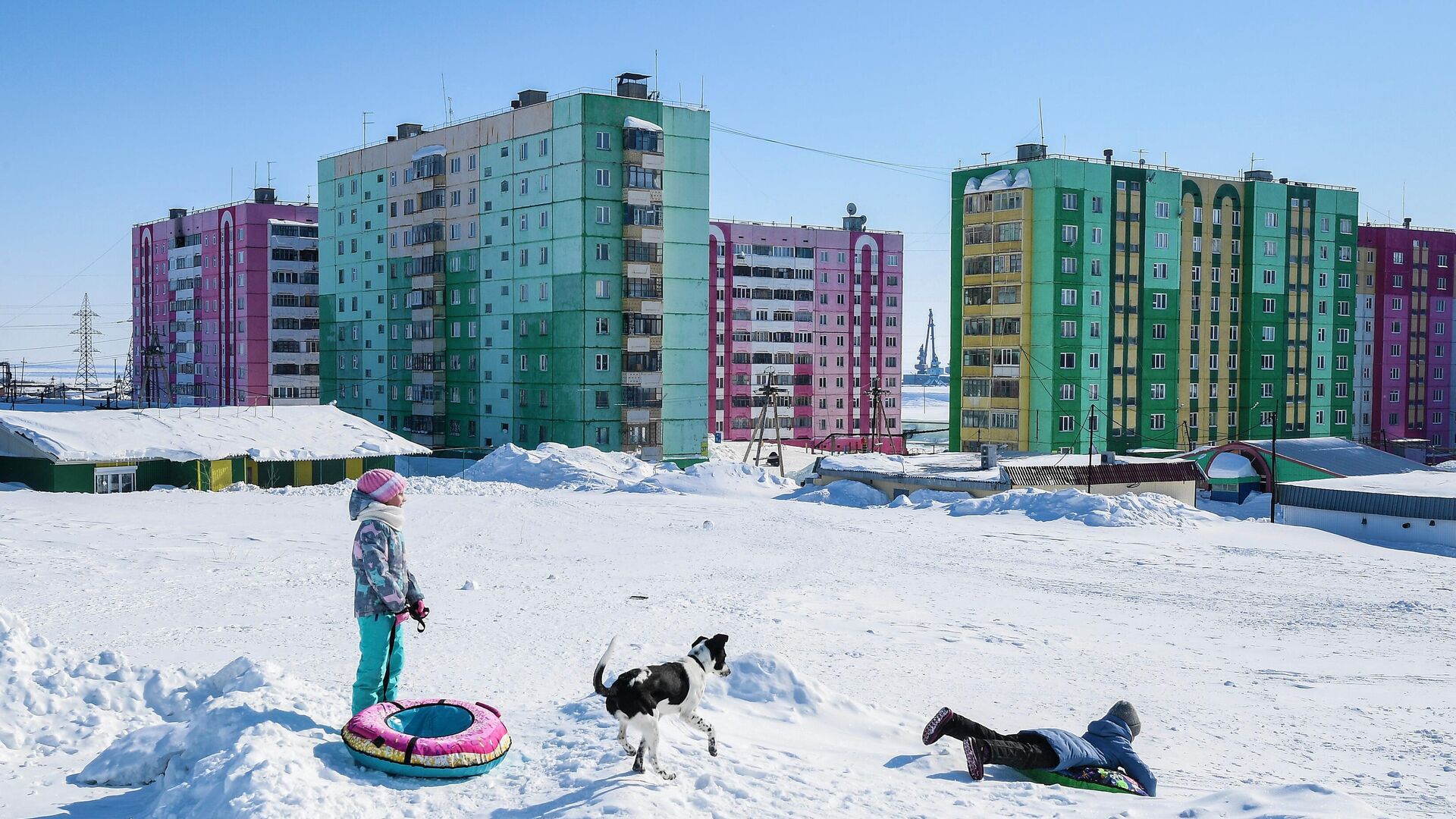
© RIA Novosti / Vladimir Astapkovich
Researchers at Siberian Federal University, operating within a broader scientific team, have proposed a novel methodology for urban planning in the Arctic Zone – one that enables the restraint of winds, “management” of precipitation, and maintenance of comfortable temperatures within residential districts. Viktoria Meshkova, Senior Researcher at the SFU Laboratory of Physical and Chemical Technologies for the Development of Hard-to-Recover Hydrocarbon Reserves, detailed to the Arctic.ru portal why the Arctic necessitates tailored approaches to the creation of residential and social infrastructure, what this scientific method entails, and which additional factors must be accounted for when zoning development in the Extreme North.
Residents of Arctic cities contend with winters lasting up to nine months, severe winds, and heavy precipitation. These elements contribute to the formation of blizzards and snowdrifts. Furthermore, low temperatures and the polar night suppress the natural dispersion and breakdown of pollutants, while industrial activity, vehicular traffic, and the intensive operation of specialized machinery all markedly degrade air quality.
According to the researcher, it is precisely for this reason that the planning of a comfortable urban environment requires the consideration of numerous factors: the territory’s climate, the aerodynamics of wind flow patterns, heat and mass transfer processes, infrastructural development, the presence of anthropogenic heat sources and pollutant emissions, solar radiation, as well as the specific characteristics of the residential community – the type and form of construction, local topography, and other variables – all embedded within the new approach.
“At its core, the methodology allows us to leverage a software suite to forecast the specific microclimate that will prevail within a defined built environment or the city as a whole,” Viktoria Meshkova explained. “We derive numerical values for meteorological indicators and, on this basis, calculate diverse data sets that can be used to assess how an individual perceives the external urban environment.”
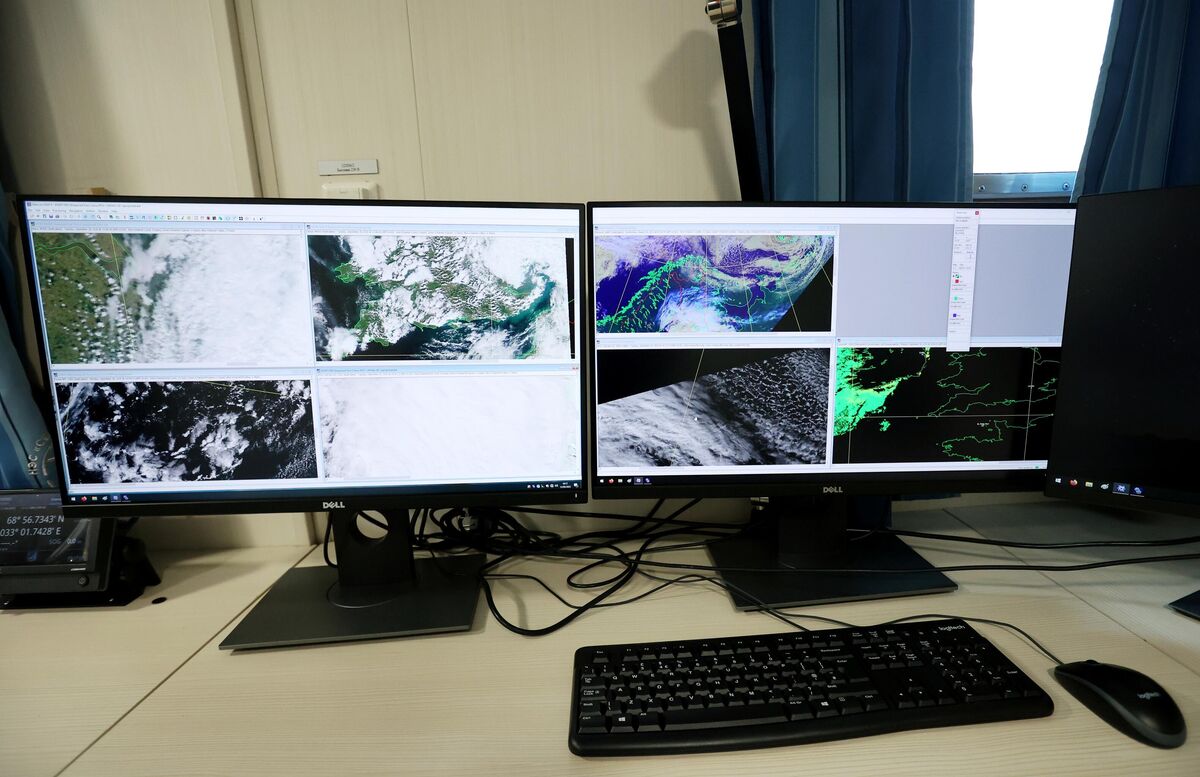
Satellite hydrometeorological data reception laboratory
© RIA Novosti / Pavel Lvov
The calculations also make it possible to determine the most suitable locations for siting engineering infrastructure and utilities – down to the placement of power generation facilities – as well as for aligning roadways or organizing their protection against snow accumulation.
“An advantage of our methodology is that it can be applied both to existing residential districts and to proposed neighborhoods still on the drawing board,” Viktoria Meshkova observed. “In the case of an already established built environment, the methodology allows us to identify hazard areas or zones of discomfort that warrant attention, and – through localized modifications – to minimize or completely eliminate these adverse impacts, thereby improving the living conditions for residents.”
During the design phase, this will enable developers to create cohesive and secure residential zones, and to determine the optimal placement for children’s playgrounds, parking areas, recreational spaces, and athletic facilities.
Business advantages
According to the researcher, construction firms are guided primarily by the rational utilization of land – that is, maximizing residential density on limited plots – as well as by the system of mandatory and advisory regulatory documentation. Yet the territories of the Arctic Zone demand specialized layouts, forms, types, and patterns of construction, given that conventional approaches to organizing inhabited space fail to account for Arctic climatic regimes.
“As a result, while the current built environment complies with regulations, the conditions for human occupancy prove to be exceedingly uncomfortable. This problem has become starkly apparent as modern cities have begun to develop vigorously both economically and infrastructurally,” Meshkova emphasized.
One might reasonably ask why businesses should add complexity to projects by allocating additional resources and performing a greater volume of calculations. While human comfort is undeniably important, these investments will, over the long term, generate a measurable economic return.
First, such climate-conscious planning will enable companies to more accurately model and validate engineering solutions, and to manage their resources more efficiently during the construction phase.
The proper organization of residential development sites will thereafter make it possible not only to reduce the volume of snow accumulation, but also to control the areas where it collects, thereby reducing expenditures on snow clearance operations.
Furthermore, the judicious siting of common leisure areas will render them more appealing, thus boosting the social engagement of the population – an increase that ultimately enhances the economic effect for business.
“The application of such approaches to the organization of industrial facilities – including fly-in/fly-out camps – will facilitate the establishment of environmentally safe and comfortable outdoor conditions for human activities,” the expert added.
How to build in the Arctic
Environmental specifics constitute the foremost criterion in the shaping of residential development. These factors assume the greatest significance in Arctic desert zones. The Novaya Zemlya Archipelago, Franz Josef Land, as well as Taimyr, Yakutia, and Chukotka, are distinguished by extremely low temperatures, squalls, high humidity along the littoral, and the extensive polar night.
Moreover, according to Viktoria Meshkova, the design of urban infrastructure demands a comprehensive approach to wind engineering: evaluating not only the structural wind loads upon the buildings themselves, but also the extent to which the urban built environment will modify the prevailing airflow.
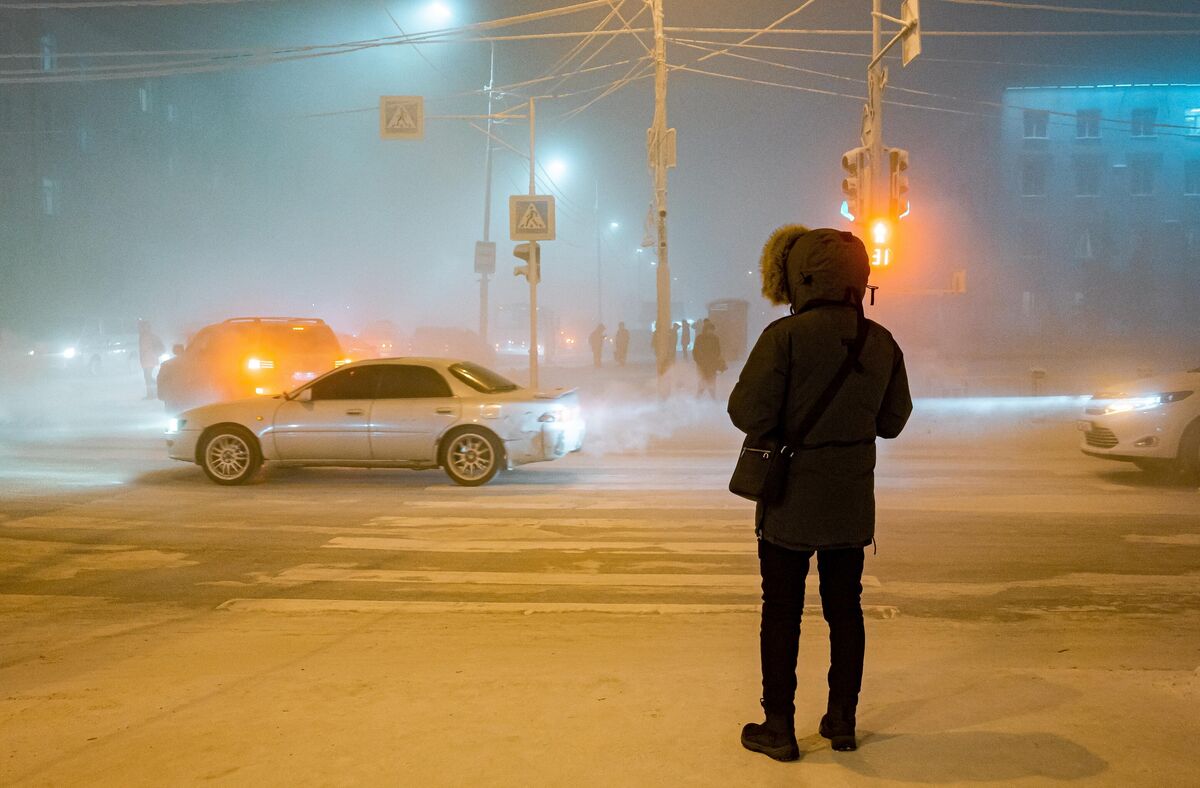
A local resident on a street in Yakutsk
© RIA Novosti / Andrey Sorokin
“Wind may be perceived quite differently across various natural and climatic zones, and at different times of the year,” the expert remarked. “It amplifies the severity of weather in cities characterized by low winter temperatures, whereas under hot summer conditions, wind improves the microclimate of the area. The ventilation of urban streets, arterials, and roads, together with the scouring of the city’s air basin of vehicular and industrial pollutants, collectively constitute the most critical function of wind in the modern city.”
High-density and high-rise construction also exerts a significant influence upon the region’s ecology: it entails atmospheric pollution and the alteration of the natural thermal balance owing to elevated temperatures within built-up urban residential districts.
“Megacities act as accumulators of a greater share of incident solar energy,” Viktoria Meshkova explained. “The situation is further aggravated by supplemental sources of anthropogenic heat, such as heat losses from buildings, emissions of gaseous substances, and activities within the private residential sector. Collectively, these factors contribute to the formation of an urban ‘heat island’ effect, which in turn leads to the emergence of a detrimental burden upon the surrounding natural environment.”
The expert also recommended the use of covered pedestrian walkways, windbreak structures, pavilions, and baffles in the landscape design of sites, rather than relying upon plantings, which are challenging to establish under Extreme North conditions. Furthermore, it is essential to take into account the traditions and customs of local residents, which largely define daily living patterns.
“The development of favorable and environmentally secure housing stock will serve to elevate the quality of life for the inhabitants,” Viktoria Meshkova concluded. “This may, perhaps, lead to a reduction in out-migration from the cities and alter the prevailing reliance on rotational work arrangements. The cities will become attractive to people, and this will serve as an incentive for them to stay for permanent residence.”