https://en.arctic.ru
Yamal and Murmansk Region sign cooperation agreement
Yamal and Murmansk Region sign cooperation agreement
Arctic.ru: Discover how Russia implements its development goals in the Arctic and the Far East
2026-04-03T13:03
2026-04-03T13:03
2026-04-06T14:42
news
yamal-nenets autonomous area
murmansk region
economy
/img/07ea/04/03/1371230_0:0:2048:1152_1920x0_80_0_0_173fe234249903546fc6f038114a7cb1.jpg
The document formalizes the regions’ intention to join efforts for the comprehensive development of the Arctic zone across trade, economic, scientific, technical, and cultural spheres. The agreement was signed in Salekhard during an off-site meeting of the State Council of the Russian Federation Commission on the Northern Sea Route and the Arctic.The regions will cooperate to improve the quality of life in the Arctic, including through the exchange of experience in healthcare, social protection, and demographic policy. The agreement also envisages the development of cultural and sports ties.Key areas of cooperation include strengthening trade and economic ties between regional enterprises, expanding contacts among small and medium-sized businesses, and sharing best practices in the implementation of government programs that support businesses.In addition, the agreement provides for the expansion of interregional cooperation in such sectors as transport, industry, energy, and housing and utilities. Additional provisions cover interaction in information and communications technology, tourism, environmental protection, as well as youth and family policy.This new agreement is expected to elevate interregional partnership to a systemic level, creating a foundation for attracting investment, implementing joint infrastructure projects, and ultimately ensuring sustainable socio-economic development across Arctic territories.The agreement enters into force upon signing and is valid for five years, with the possibility of automatic extension for subsequent periods.
2026
Новости
ru-RU
https://en.arctic.ru/docs/about/copyright.html
https://xn--c1acbl2abdlkab1og.xn--p1ai/
/img/07ea/04/03/1371230_354:0:1891:1153_1920x0_80_0_0_e5ee15c204f8f6aa2ecbe901eae45090.jpgnews, yamal-nenets autonomous area, murmansk region, economy
Yamal and Murmansk Region sign cooperation agreement
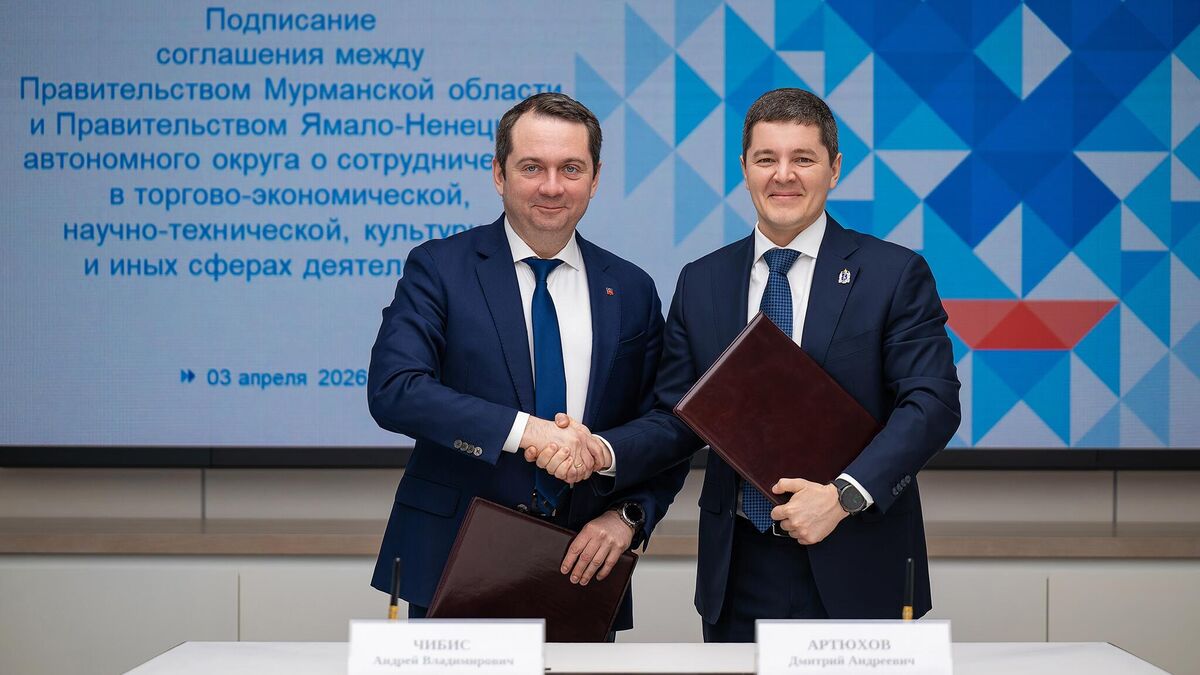
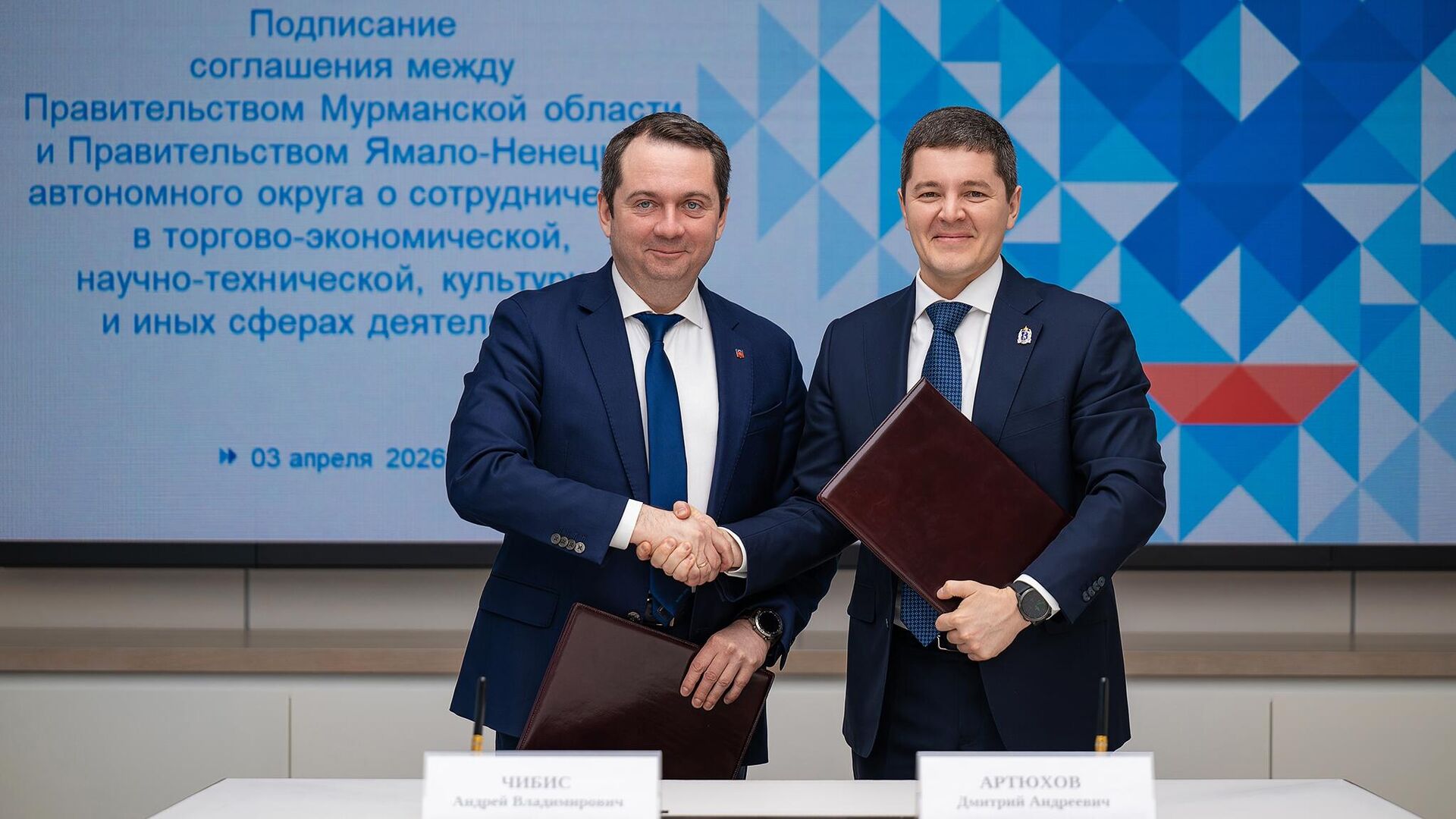
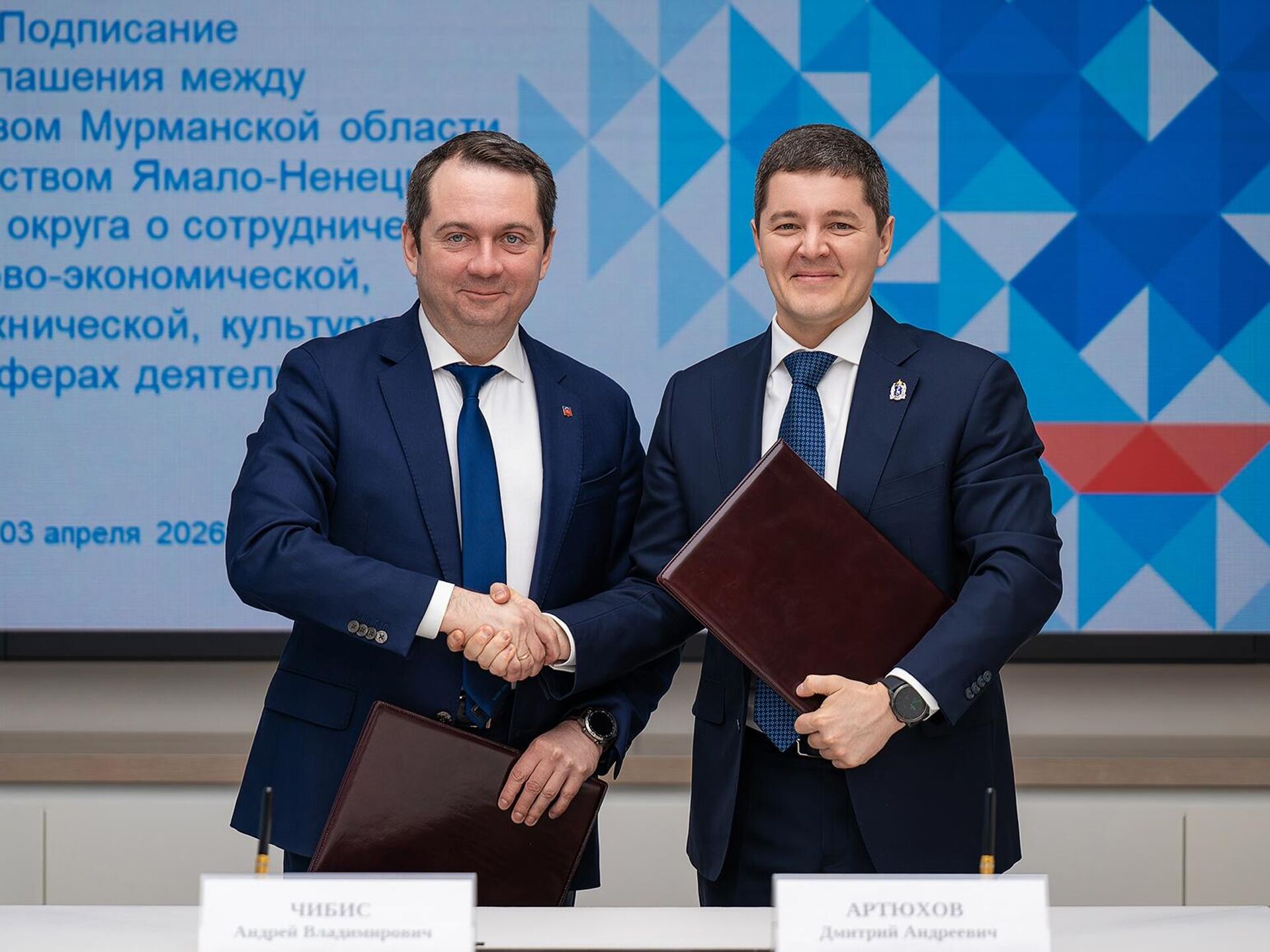
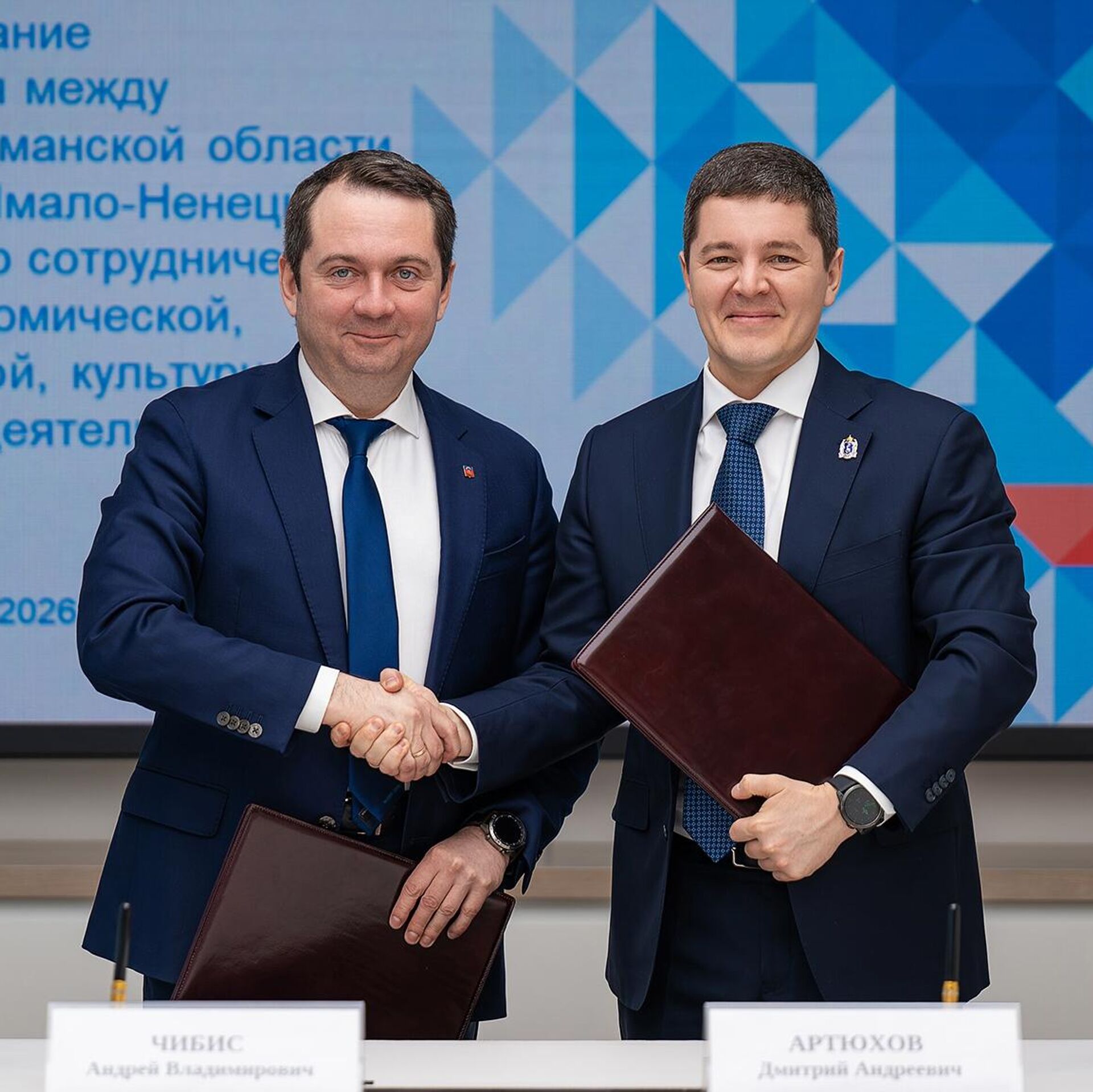
The document formalizes the regions’ intention to join efforts for the comprehensive development of the Arctic zone across trade, economic, scientific, technical, and cultural spheres. The agreement was signed in Salekhard during an off-site meeting of the State Council of the Russian Federation Commission on the Northern Sea Route and the Arctic.
“By joining efforts, we are guided by a simple fact: both Yamal and the Murmansk Region are the country’s industrial outposts in the Arctic, where a significant share of the macroregion’s economy is formed. Our geographic location presents us with similar challenges, such as the need to modernize urban infrastructure, implement industrial and logistics projects vital to the national economy and public well-being, and, of course, address the shared challenge of attracting and retaining human capital, ensuring that living conditions correspond to the scale of our strategic objectives,” Dmitry Artyukhov said.
The regions will cooperate to improve the quality of life in the Arctic, including through the exchange of experience in healthcare, social protection, and demographic policy. The agreement also envisages the development of cultural and sports ties.
“Both regions have unique resources and potential that must be fully utilized to implement projects. Only together can we create comfortable living conditions and ensure dynamic economic development that meets contemporary challenges,” Andrei Chibis noted.
Key areas of cooperation include strengthening trade and economic ties between regional enterprises, expanding contacts among small and medium-sized businesses, and sharing best practices in the implementation of government programs that support businesses.
In addition, the agreement provides for the expansion of interregional cooperation in such sectors as transport, industry, energy, and housing and utilities. Additional provisions cover interaction in information and communications technology, tourism, environmental protection, as well as youth and family policy.
This new agreement is expected to elevate interregional partnership to a systemic level, creating a foundation for attracting investment, implementing joint infrastructure projects, and ultimately ensuring sustainable socio-economic development across Arctic territories.
The agreement enters into force upon signing and is valid for five years, with the possibility of automatic extension for subsequent periods.