https://en.arctic.ru
Yury Trutnev suggests modifying certain departmental restrictions during disaster relief operations
Yury Trutnev suggests modifying certain departmental restrictions during disaster relief operations
Arctic.ru: Discover how Russia implements its development goals in the Arctic and the Far East
2026-04-02T11:14
2026-04-02T11:14
2026-04-20T12:48
news
public safety
yury trutnev
far east and arctic development corporation
/img/07ea/04/02/1367944_0:161:3069:1887_1920x0_80_0_0_269c79d04f2268ffa187442f24a94b20.jpg
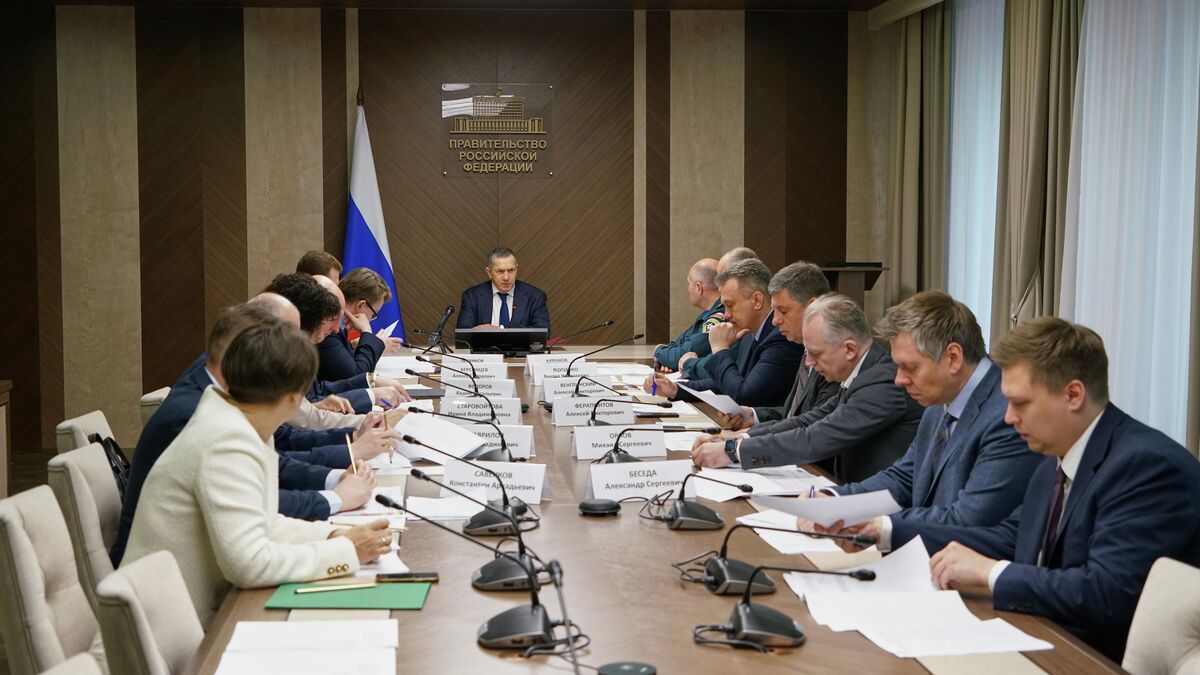
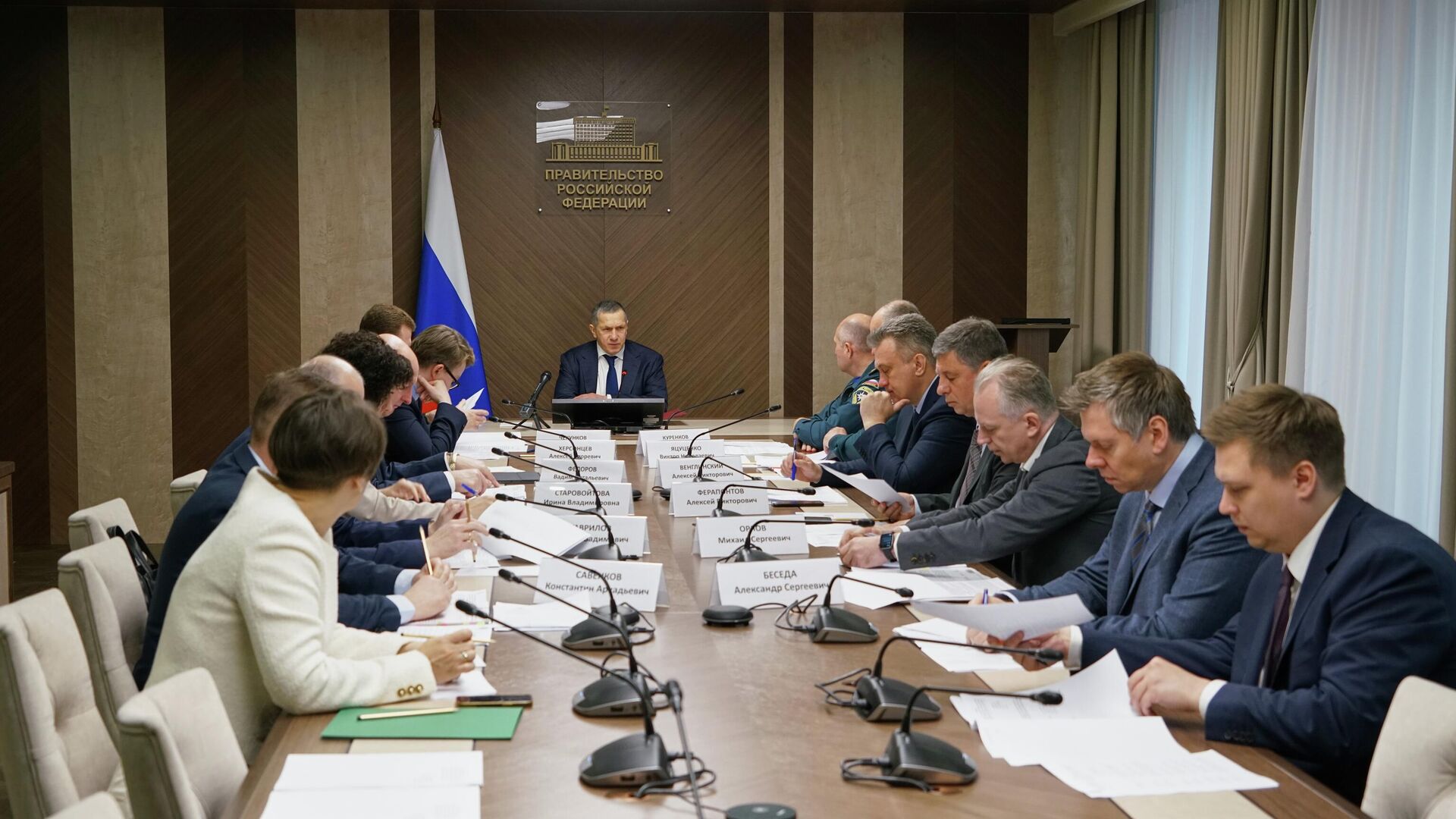
Speaking at a meeting on eliminating departmental restrictions during disaster relief operations, Deputy Prime Minister – Presidential Plenipotentiary Envoy in the Far Eastern Federal District, Yury Trutnev, noted that the Far East was a priority economic development territory, and that it accounted for most emergencies nationwide, as per the press service of the Far East and Arctic Development Corporation.Yury Trutnev also recalled fires in Yakutia when it was impossible to set up isolation spaces in forests around a town which burned down as a result. A train was derailed in Buryatia, and it was impossible to pick up stones at the site because the incident happened at a specially protected territory. According to him “these ridiculous situations should be minimized by joint efforts; if possible, we should completely abolish these barriers”, he said, while opening the meeting.The participants suggested amending several laws, including federal laws on Natural Resources, on Protection of the Population and Territories from Emergence Situation, on Motorroads and Road Activities, on General Principles of Organization of Public Authority in the Constituent Entities, and on General Principles of Organization of Local Self-Government. These amendments will restrict certain prerogatives of oversight agencies during emergency rescue and disaster relief operations.The meeting participants also discussed possible comprehensive audits of current regulatory documentation at federal executive agencies, as well as technical regulations, sets of rules and standards, many of which have been formulated in other conditions and should be updated in the context of new challenges.
https://en.arctic.ru/20260401/1368222.html
2026
Новости
ru-RU
https://en.arctic.ru/docs/about/copyright.html
https://xn--c1acbl2abdlkab1og.xn--p1ai/
/img/07ea/04/02/1367944_170:0:2899:2047_1920x0_80_0_0_1905385379757771a179c375cb0323ea.jpgnews, public safety, yury trutnev, far east and arctic development corporation
Yury Trutnev suggests modifying certain departmental restrictions during disaster relief operations
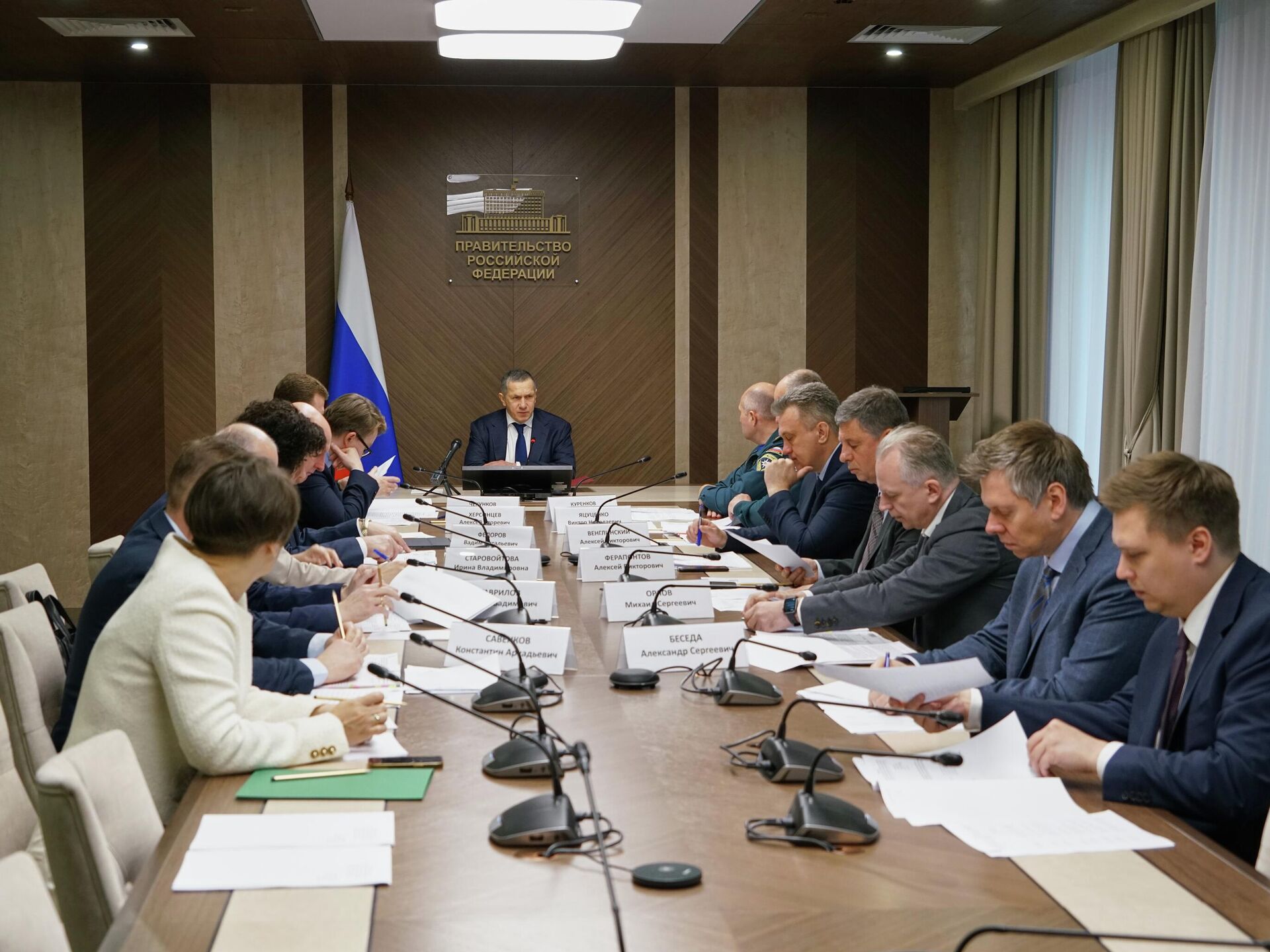
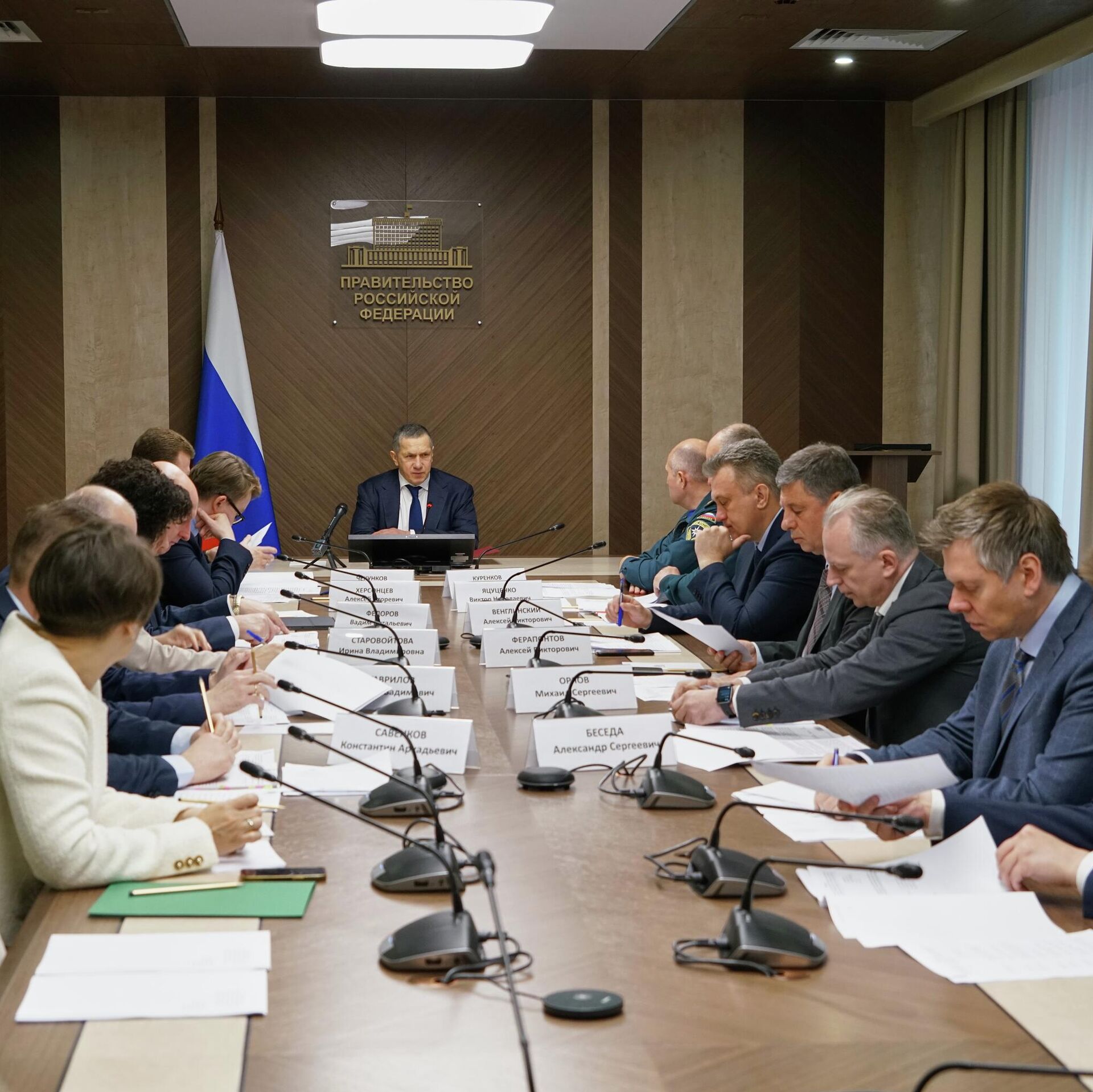
Speaking at a meeting on eliminating departmental restrictions during disaster relief operations, Deputy Prime Minister – Presidential Plenipotentiary Envoy in the Far Eastern Federal District, Yury Trutnev, noted that the Far East was a priority economic development territory, and that it accounted for most emergencies nationwide, as per the press service of the Far East and Arctic Development Corporation.
According to Trutnev, “fires and floods often plague the Far East. We joint our efforts with those of the Civil Defense Ministry and the Ministry for the Development of the Far East and Arctic and it allows us to deal with these disasters. However, we face ridiculous difficulties during this work when our regulatory documents hamper rapid disaster relief operations. Earlier this year, Kamchatka was hit by abnormally heavy snowfalls when it became impossible to remove snow-drifts. According to regulatory documents, all snow should be taken to specially prepared sites. The entire city was covered by five-meter snow-drifts”.
Yury Trutnev also recalled fires in Yakutia when it was impossible to set up isolation spaces in forests around a town which burned down as a result. A train was derailed in Buryatia, and it was impossible to pick up stones at the site because the incident happened at a specially protected territory. According to him “these ridiculous situations should be minimized by joint efforts; if possible, we should completely abolish these barriers”, he said, while opening the meeting.
The participants suggested amending several laws, including federal laws on Natural Resources, on Protection of the Population and Territories from Emergence Situation, on Motorroads and Road Activities, on General Principles of Organization of Public Authority in the Constituent Entities, and on General Principles of Organization of Local Self-Government. These amendments will restrict certain prerogatives of oversight agencies during emergency rescue and disaster relief operations.
“Following the meeting, we agreed that it would be correct to vest the Civil Defense Ministry with all prerogatives for suspending certain regulatory acts, Trutnev noted. Before that, it was suggested that such prerogatives be granted to the concerned federal executive agencies; but I find this unconstructive,” he added. “In case of emergency, the Civil Defense Ministry will knock on the doors of authorized agencies and request permission from them. Such work would be slow and entangled in red tape. We made another decision: to allow the Civil Defense Ministry to suspend certain regulatory acts, to formalize these provisions in line with the law and to guarantee the safety of Russian citizens in any conditions,” he noted, while summing up the meeting’s results.
The meeting participants also discussed possible comprehensive audits of current regulatory documentation at federal executive agencies, as well as technical regulations, sets of rules and standards, many of which have been formulated in other conditions and should be updated in the context of new challenges.