https://en.arctic.ru
Primorye scientists discover cardio-protectors in starfish
Primorye scientists discover cardio-protectors in starfish
Arctic.ru: Discover how Russia implements its development goals in the Arctic and the Far East
2026-03-30T13:08
2026-03-30T13:08
2026-03-30T15:12
news
primorye territory
science and technology
/img/07ea/03/1e/1355104_0:121:3001:1809_1920x0_80_0_0_7df8f055bae76ff95f491f909feccbe7.jpg
Specialists from the Yelyakov Pacific Institute of Bioorganic Chemistry at the Far Eastern Branch of the Russian Academy of Sciences, isolated complex lipides capable of protecting human heart cells from a polar starfish inhabiting the Bering Strait.“These compounds called leptasteriacerebrosides A and B have an impressive cardio-protective potential. Experiments with heart cell cultures show that the substance’s A type effectively prevents their damage from oxygen shortages. The B type is capable of suppressing inflammatory processes inside heart cells,” the report says.According to the institute’s press service, apart from their medical potential, the newly-obtained substances can also be used in agro-chemistry and in creating additives based on natural marine compounds.
2026
Новости
ru-RU
https://en.arctic.ru/docs/about/copyright.html
https://xn--c1acbl2abdlkab1og.xn--p1ai/
/img/07ea/03/1e/1355104_214:0:2786:1929_1920x0_80_0_0_bbc64daeac15b4e04b54488b9bfeb1a4.jpgnews, primorye territory, science and technology
Primorye scientists discover cardio-protectors in starfish
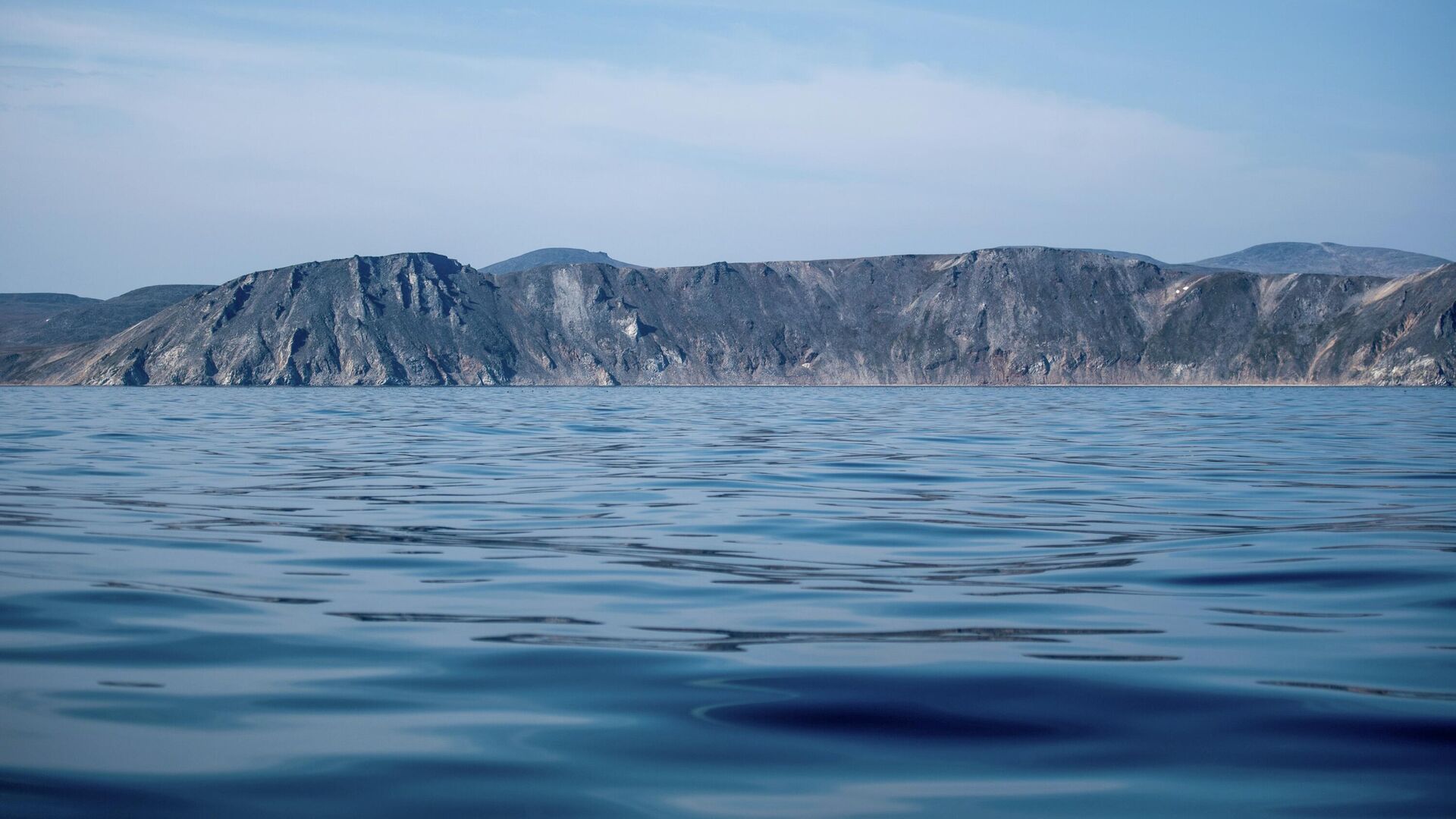
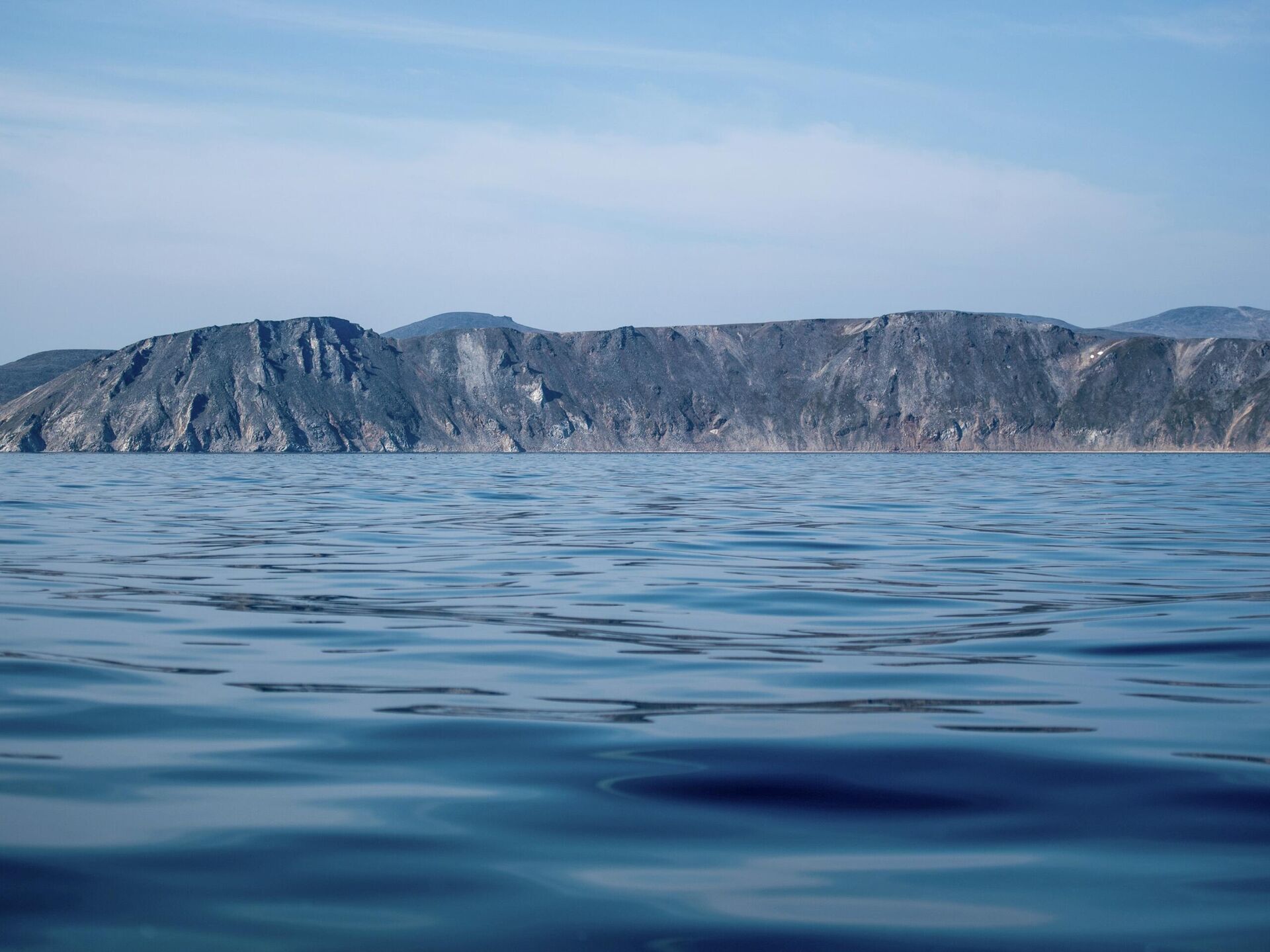
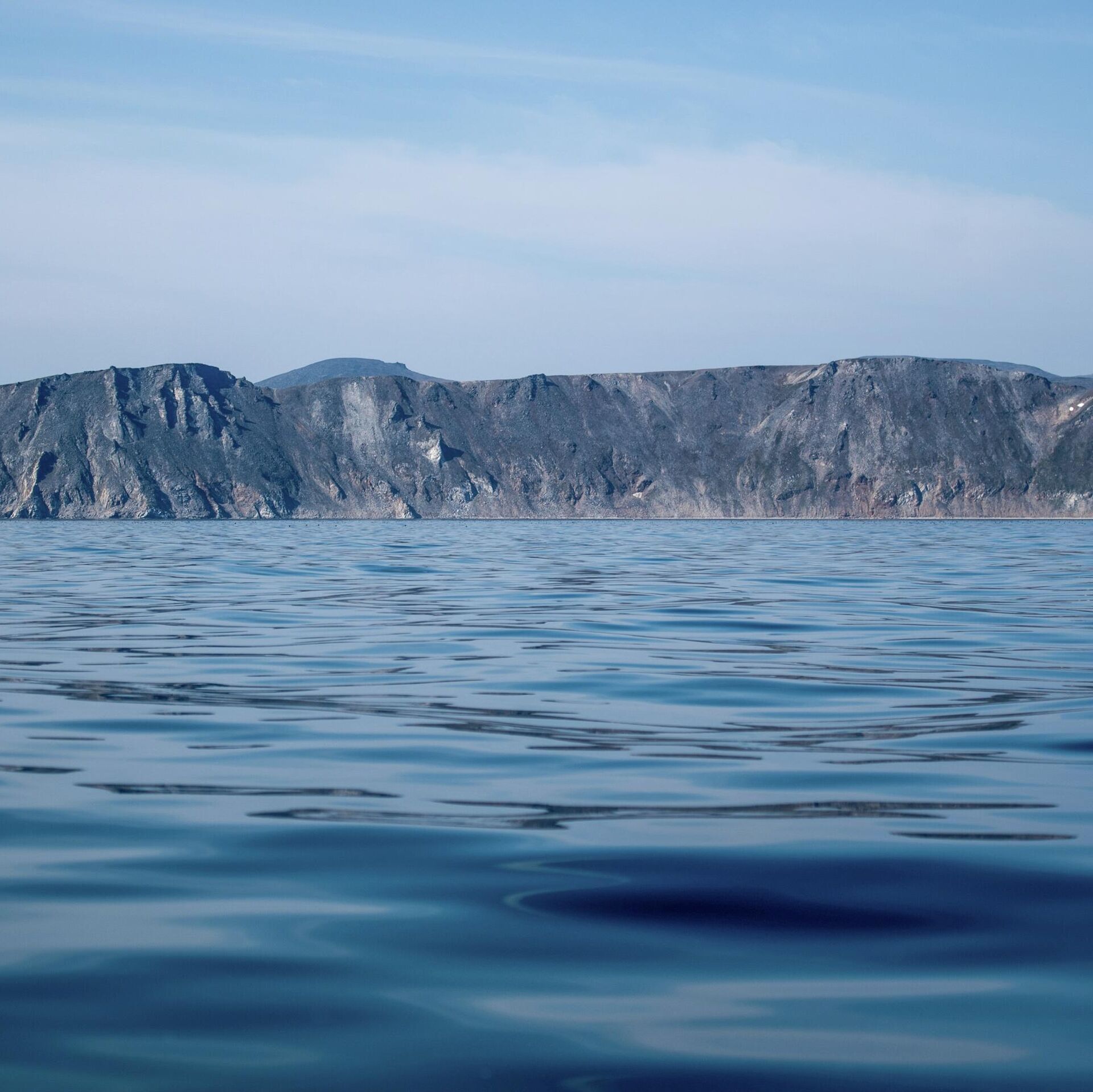
Specialists from the Yelyakov Pacific Institute of Bioorganic Chemistry at the Far Eastern Branch of the Russian Academy of Sciences, isolated complex lipides capable of protecting human heart cells from a polar starfish inhabiting the Bering Strait.
“These compounds called leptasteriacerebrosides A and B have an impressive cardio-protective potential. Experiments with heart cell cultures show that the substance’s A type effectively prevents their damage from oxygen shortages. The B type is capable of suppressing inflammatory processes inside heart cells,” the report says.
According to the institute’s press service, apart from their medical potential, the newly-obtained substances can also be used in agro-chemistry and in creating additives based on natural marine compounds.