https://en.arctic.ru
Tyumen creates medical screening system for Arctic shift workers
Tyumen creates medical screening system for Arctic shift workers
Arctic.ru: Discover how Russia implements its development goals in the Arctic and the Far East
2026-03-25T12:52
2026-03-25T12:52
2026-03-25T16:10
news
science and technology
/img/07ea/03/19/1344963_0:0:3001:1688_1920x0_80_0_0_af699add93f46c4283a4deacc17239ac.jpg
Scientists from the Tyumen Medical University have developed a software package for assessing the state of cardiovascular systems of shift workers in remote Arctic areas. According to developers, the software package helps pinpoint the risks of cardiovascular disorders and to prevent medical emergencies. The results are published in the Trans-Baikal Medical Herald (Zabaikalsky Meditsinsky Vestnik).People working in the Extreme North face major physical and psychological difficulties caused by adverse weather conditions. Consequently, local companies mostly employ shift workers, rotating them all the time, as per sources in the Tyumen Medical University, affiliated with the Russian Ministry of Health.In an effort to improve the quality of medical services for people working in the Extreme North, university scientists and a non-profit partner developed a software package that warns patients about possible cardiovascular problems. The automated software processes medical data, including pulse and blood pressure levels, and assesses the risk of medical conditions requiring hospitalization or emergency treatment.The software package mostly uses a database containing the results of medical checkups of the fuel and energy sector’s personnel that helped train an AI model. Substantial data volumes will help predict the condition of the heart and blood vessels even more accurately; in the future, this will make it possible to create an integral system for keeping employees healthy in the severe environment, university experts say.
https://en.arctic.ru/20260312/1313808.html
2026
Новости
ru-RU
https://en.arctic.ru/docs/about/copyright.html
https://xn--c1acbl2abdlkab1og.xn--p1ai/
/img/07ea/03/19/1344963_0:0:2667:2000_1920x0_80_0_0_1e0a4dd50605eb1067f07e1e4ac611cc.jpgnews, science and technology
Tyumen creates medical screening system for Arctic shift workers
Scientists from the Tyumen Medical University have developed a software package for assessing the state of cardiovascular systems of shift workers in remote Arctic areas. According to developers, the software package helps pinpoint the risks of cardiovascular disorders and to prevent medical emergencies. The results are
published in the Trans-Baikal Medical Herald (Zabaikalsky Meditsinsky Vestnik).
People working in the Extreme North face major physical and psychological difficulties caused by adverse weather conditions. Consequently, local companies mostly employ shift workers, rotating them all the time, as per sources in the Tyumen Medical University, affiliated with the Russian Ministry of Health.
“Medical specialists are constantly rotated, and this impairs the quality of decisions regarding the health of employees. Some shift workers view pre-shift regular medical checkups as a mere formality, and their places of work often lack the required amount of medical equipment,” said Yulia Reshetnikova, an assistant professor with the university’s Faculty of Public Health and Healthcare.
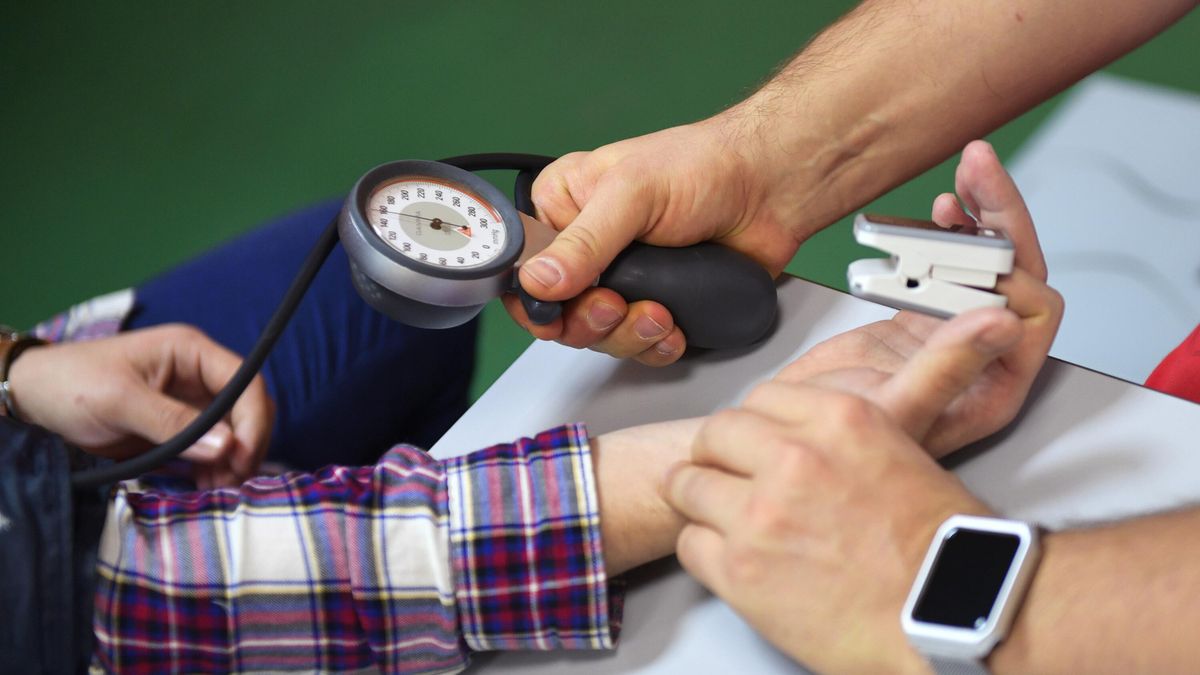
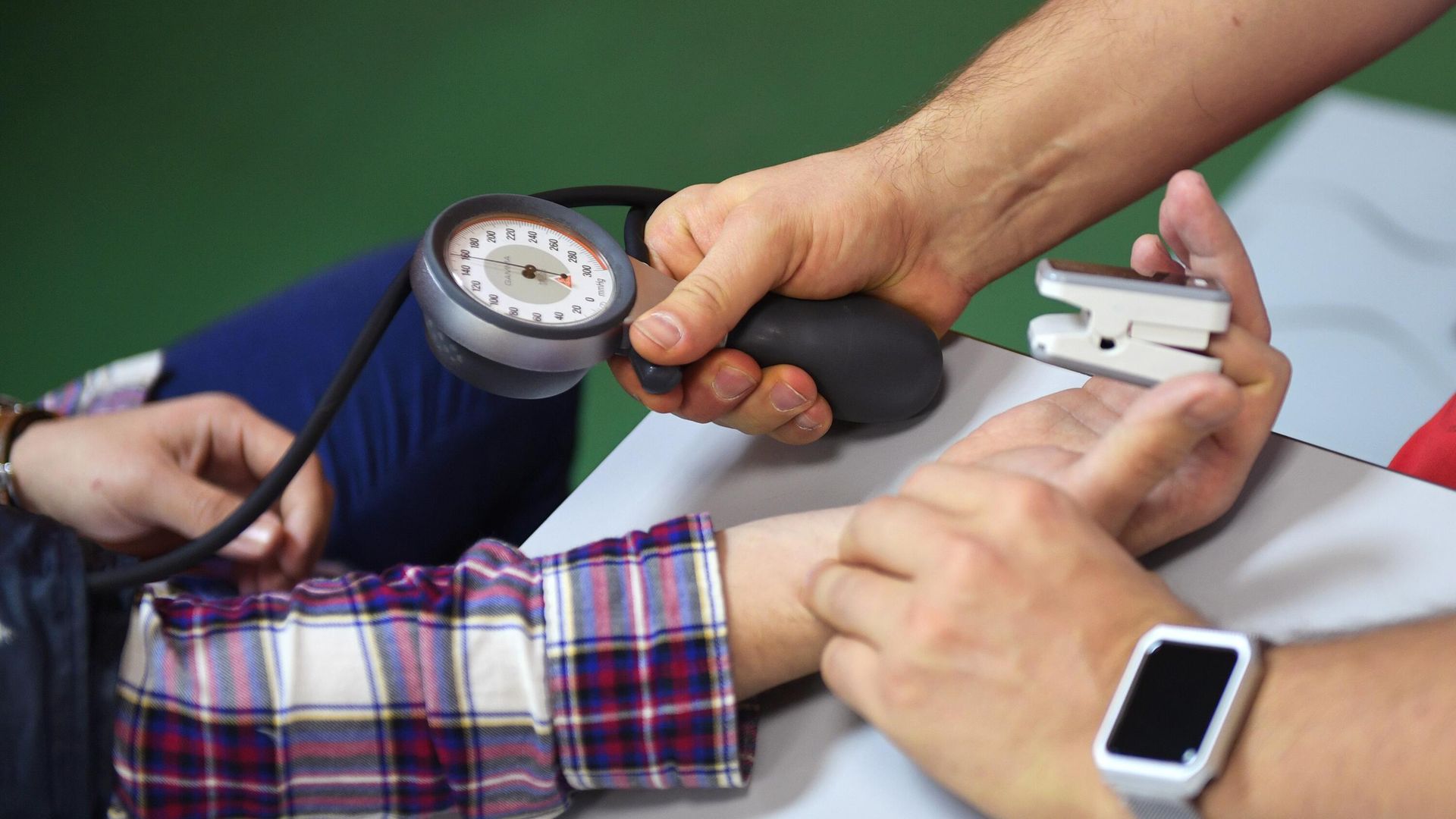
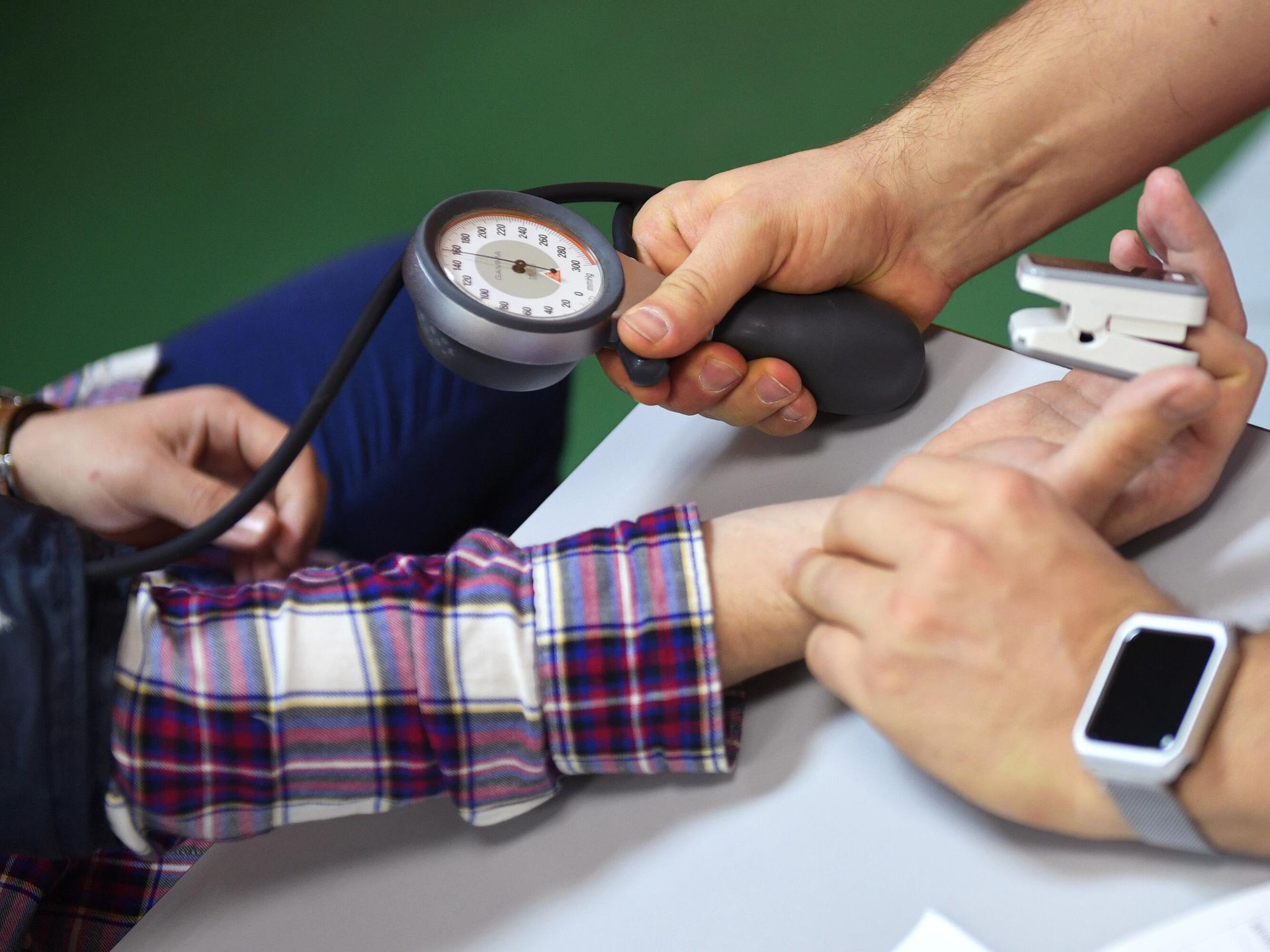
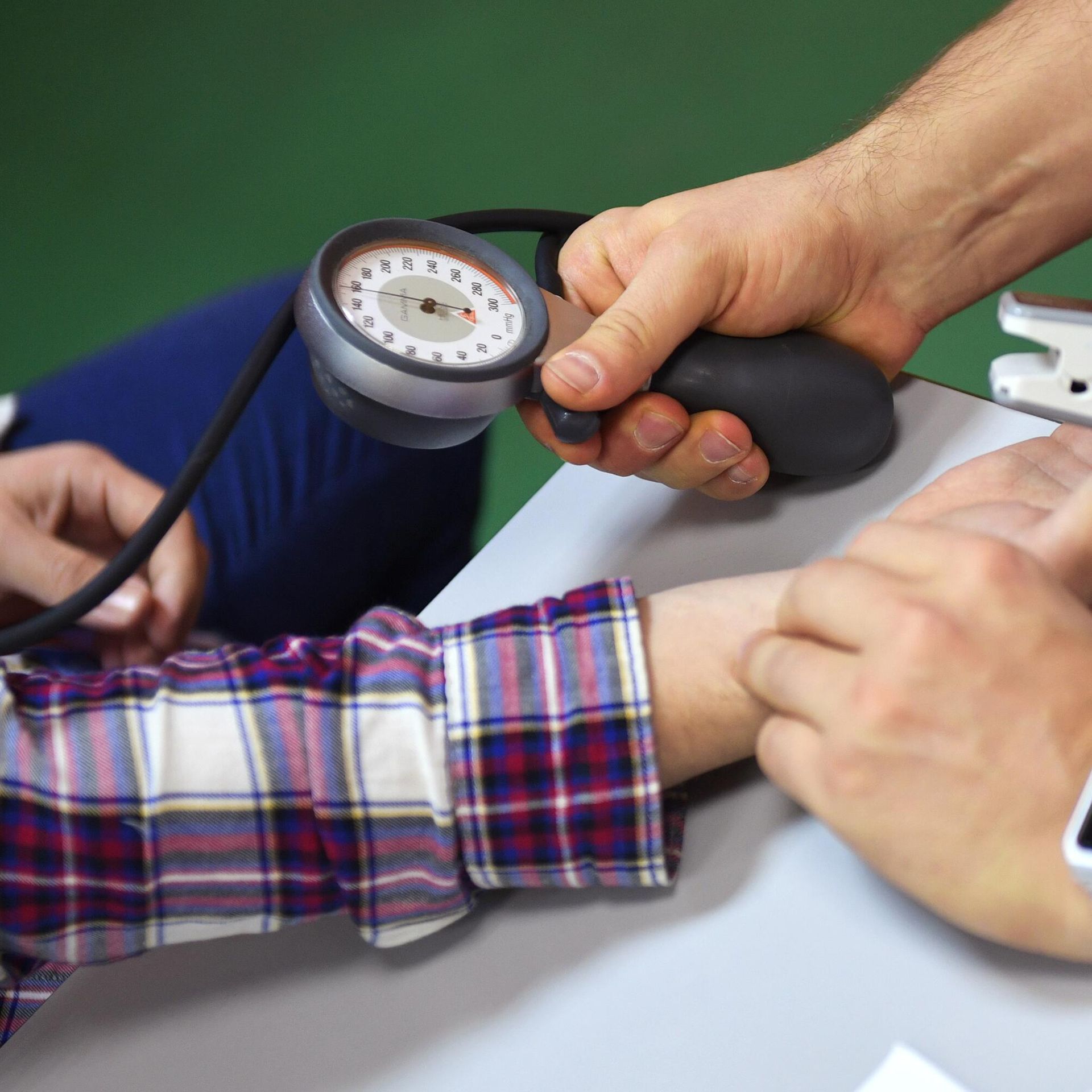
In an effort to improve the quality of medical services for people working in the Extreme North, university scientists and a non-profit partner developed a software package that warns patients about possible cardiovascular problems. The automated software processes medical data, including pulse and blood pressure levels, and assesses the risk of medical conditions requiring hospitalization or emergency treatment.
“Apart from practical applications, the new software package analyzes various factors and evaluates their impact on the health of every worker. The next phase of our project aims to clarify the main causes of a declining psychological and physiological condition of people who find themselves in the harsh Extreme North environment time and again,” the scientist explained.
The software package mostly uses a database containing the results of medical checkups of the fuel and energy sector’s personnel that helped train an AI model. Substantial data volumes will help predict the condition of the heart and blood vessels even more accurately; in the future, this will make it possible to create an integral system for keeping employees healthy in the severe environment, university experts say.