https://en.arctic.ru
Russian scientists designed electric charging stations designed to operate in the Arctic
Russian scientists designed electric charging stations designed to operate in the Arctic
Arctic.ru: Discover how Russia implements its development goals in the Arctic and the Far East
2026-03-17T15:24
2026-03-17T15:24
2026-03-27T18:28
news
science and technology
krasnoyarsk territory
/img/07ea/03/11/1318414_0:104:1440:914_1920x0_80_0_0_404cf95532e0b647f21f855ad82ec025.jpg
The first batch of EV chargers capable of working at -45ºС has passed testing in Krasnoyarsk, according to the press service of the Novosibirsk State Technical University.The devices are assembled from Russia-made parts; they include components of various topologies and power ranges, as well as a set of software tools that ensure the operation and monitoring of the stations.“The constant monitoring of the tests has produced good results under low air temperatures and confirmed the validity of the engineered solutions,” said the project manager, Head of the University’s Department of Electrotechnical Systems, Doctor of Technical Sciences, Professor Nikolay Shchurov.In addition, the University has developed its software for the stations that makes it possible to use an open application-layer protocol to organize communication between electric vehicle charging stations and centralized control systems.The project is intended to develop the stations and their key components for producing and operating electric-powered vehicles until 2030.
2026
Новости
ru-RU
https://en.arctic.ru/docs/about/copyright.html
https://xn--c1acbl2abdlkab1og.xn--p1ai/
/img/07ea/03/11/1318414_140:0:1420:960_1920x0_80_0_0_2d679adb6ac82ec33d407027dcd58d80.jpgnews, science and technology, krasnoyarsk territory
Russian scientists designed electric charging stations designed to operate in the Arctic
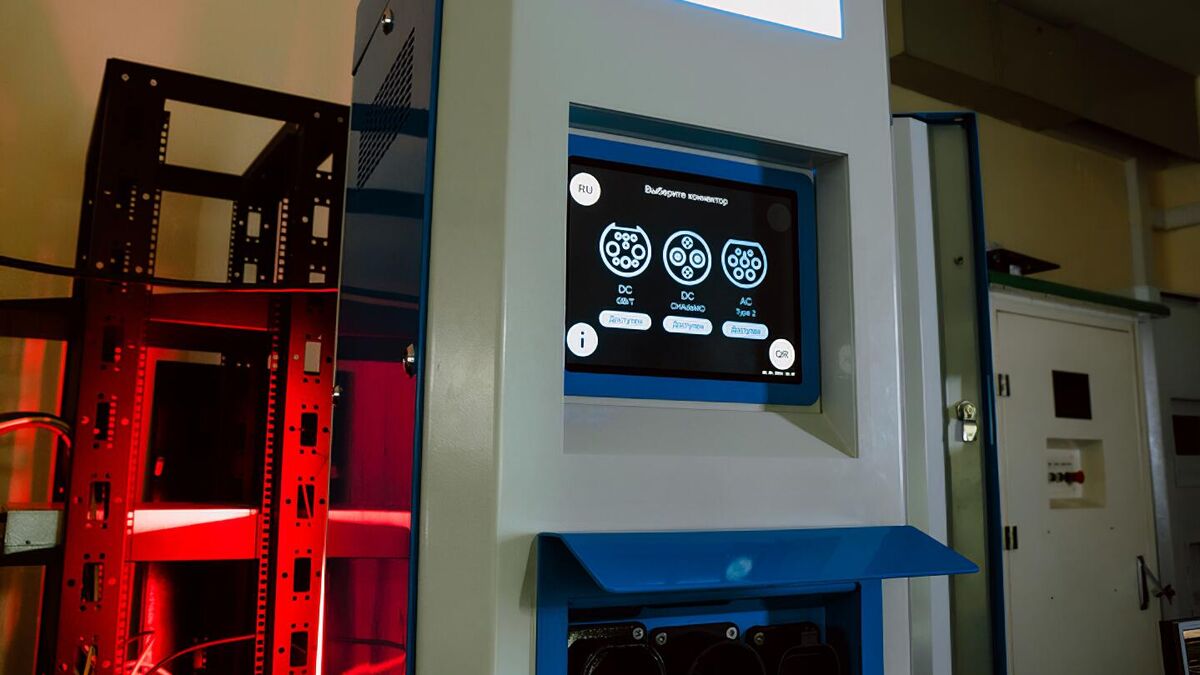
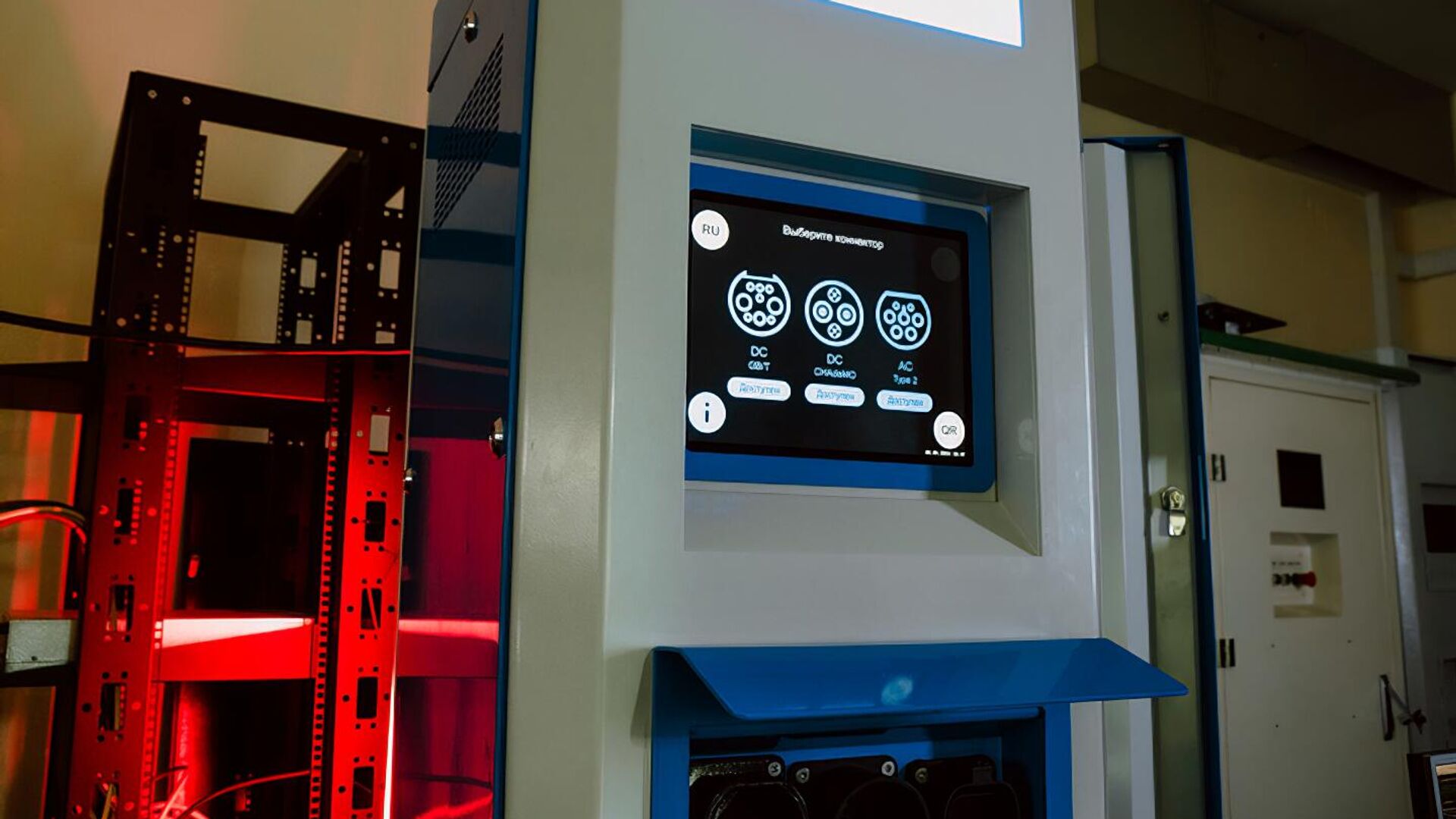
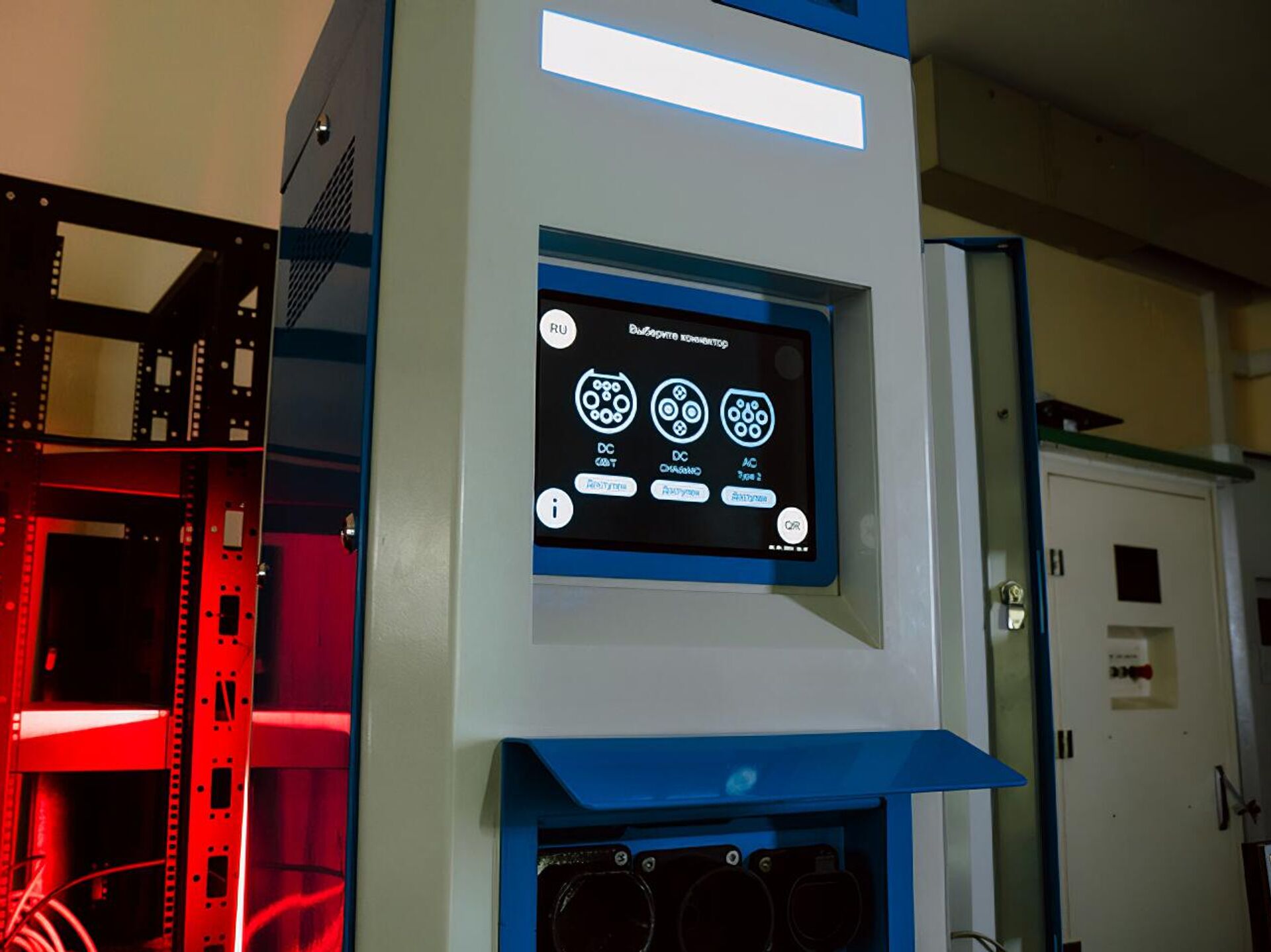
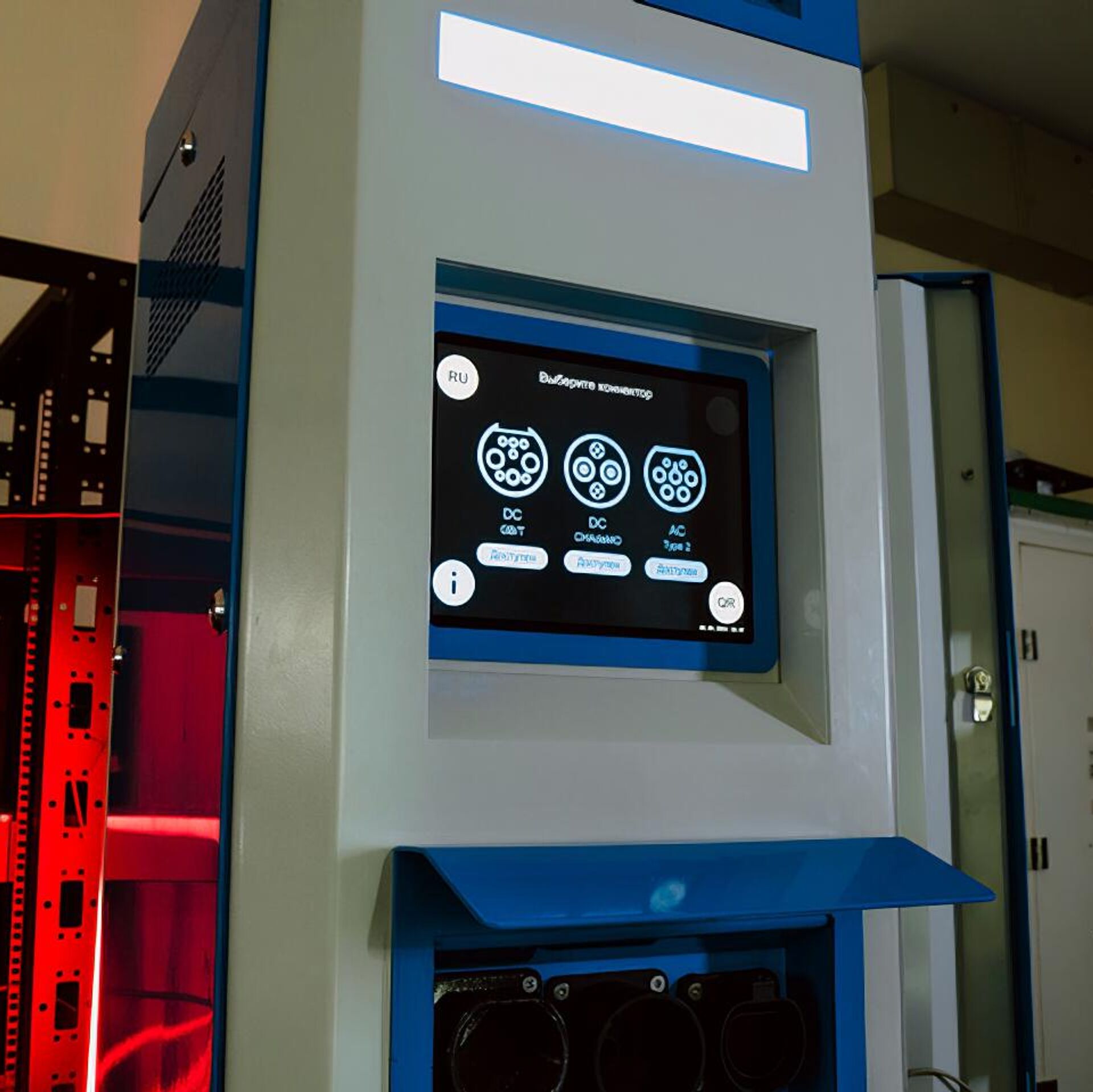
The first batch of EV chargers capable of working at -45ºС has passed testing in Krasnoyarsk, according to the press service of the Novosibirsk State Technical University.
The devices are assembled from Russia-made parts; they include components of various topologies and power ranges, as well as a set of software tools that ensure the operation and monitoring of the stations.
“The constant monitoring of the tests has produced good results under low air temperatures and confirmed the validity of the engineered solutions,” said the project manager, Head of the University’s Department of Electrotechnical Systems, Doctor of Technical Sciences, Professor Nikolay Shchurov.
In addition, the University has developed its software for the stations that makes it possible to use an open application-layer protocol to organize communication between electric vehicle charging stations and centralized control systems.
The project is intended to develop the stations and their key components for producing and operating electric-powered vehicles until 2030.