11:52 12.03.2026
Implementing master plans of core cities in the Russian Arctic Zone
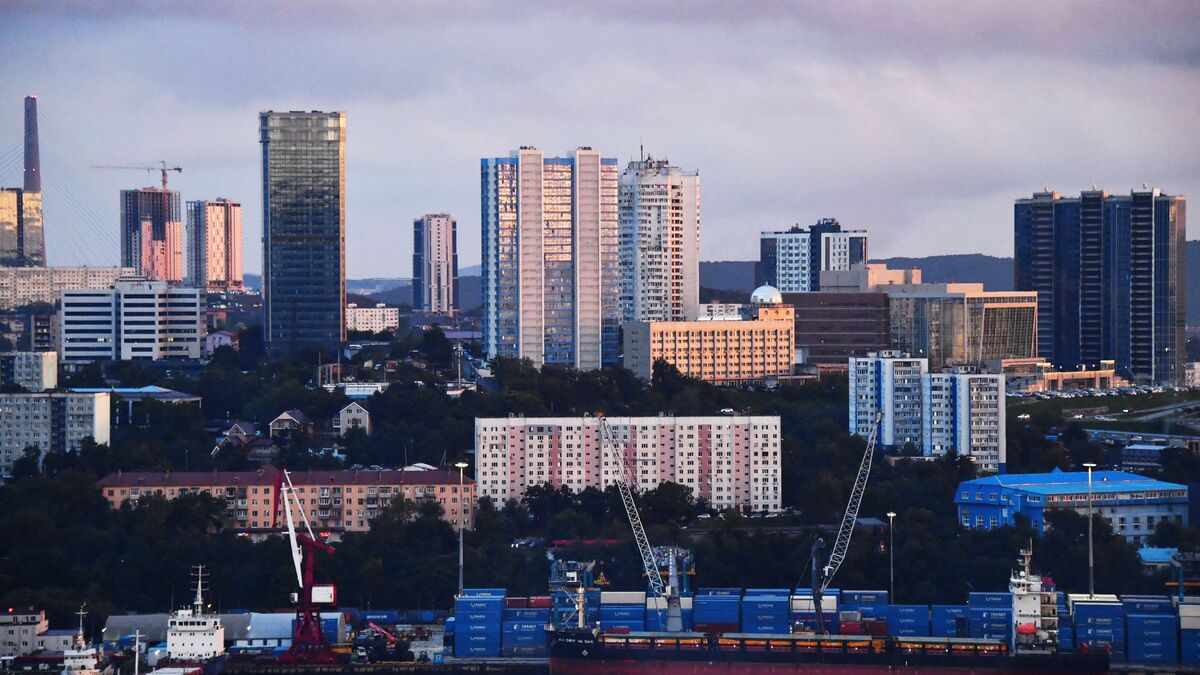
© RIA Novosti / Natalia Seliverstova
Development plans, to be implemented until 2035, include 15 Arctic cities and agglomerations: Dikson, Arkhangelsk, Norilsk and Dudinka, Murmansk, Kirovsk and Apatity, Monchegorsk, Vorkuta, Naryan-Mar, Kem and Belomorsk, Bilibino, Pevek, Tiksi and Naiba, Salekhard and Labytnangi, Novy Urengoi and Noyabrsk, as per the press service of the Corporation for the Development of the Far East and the Arctic.
Long-term comprehensive plans for the development of Arctic cities aim to implement 516 measures worth an estimated 2.9 trillion rubles. Most funding, or 1.74 trillion rubles (60 percent of the grand total) will be provided in the form of extra-budgetary investment; this shows that the Russian Arctic Zone is wildly popular with investors. There are plans to allocate 555 billion rubles’ worth of federal funding for these purposes until 2035, including 313 billion rubles to be allocated until 2030. Regional budgets are to contribute an additional 598 billion rubles for these projects.
Current state support mechanisms already guarantee part of funding for Artic master plans. For example, certain sections of five national projects (that include 37 measures of long-term comprehensive plans for the development of Arctic cities) stipulate 104 billion rubles. Moreover, the Russian Government supported the allocation of 30 billion rubles for implementing measures of master plans under a program for writing off two-thirds of budgetary loans’ debts of the Russian Arctic Zone’s territories.
An additional 30 billion rubles are to be allocated using the mechanism of treasury infrastructure loans. Specific limits have already been distributed among regions of the Russian Arctic Zone. Under the 2026-2028 budgetary cycle, federal agencies are set to allocate 67 billion rubles for implementing measures of long-term comprehensive plans for the development of Arctic cities. This accounts for almost 50 percent of federal funding demand during this period.
Measures of long-term comprehensive plans aim the develop the key infrastructure of Arctic cities. They stipulate the modernization of housing and utility systems, the transport network, the construction and renovation of healthcare facilities, education, cultural and sports facilities, as well as the creation of technology and business parks. The projects are to start receiving the bulk of budgetary finding in 2027.
Director of the Department for the Development of the Arctic Zone of the Russian Federation at the Russian Ministry for the Development of the Far East and Arctic, Ilya Chernov, noted that approved long-term comprehensive plans created a systemic foundation for modernizing Arctic cities.
“Master plans and long-term comprehensive plans for the development of core communities of the Russian Arctic Zone are a comprehensive tool making it possible to synchronize investment projects, state programs and infrastructure solutions. This approach facilitates the consistent renovation of the urban environment, economic development and the creation of modern living conditions in the Arctic. Today, our key objective is to ensure the practical implementation of approved measures and to attract the required extra-budgetary funding,” Ilya Chernov noted.
He also added that opinion polls were conducted, while drafting Arctic master plans, and they made it possible to clarify key requirements of Extreme North residents.