13:55 11.03.2026
Russian experts develop frost-resistant materials for building protection
© Siberian Federal University
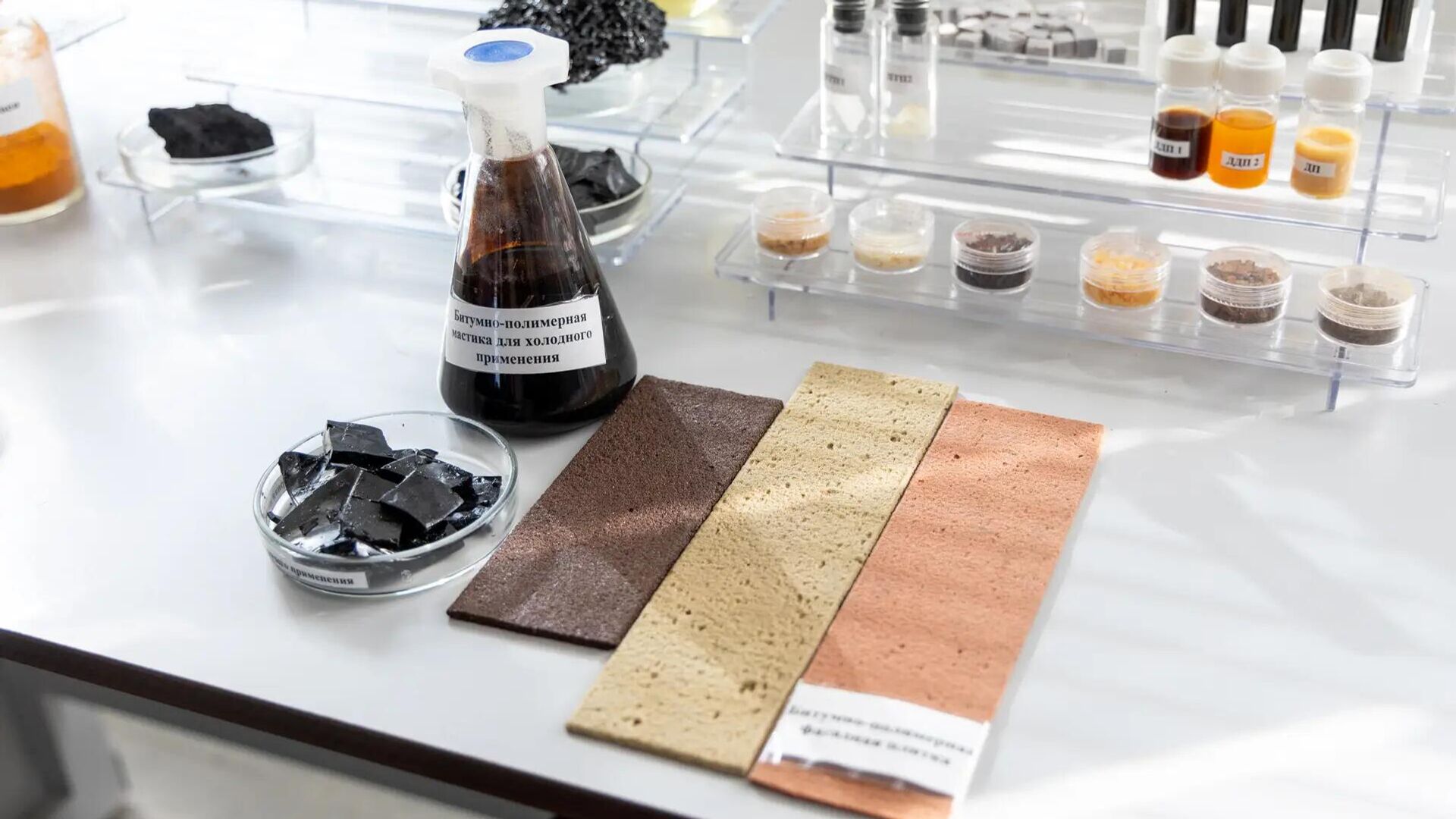
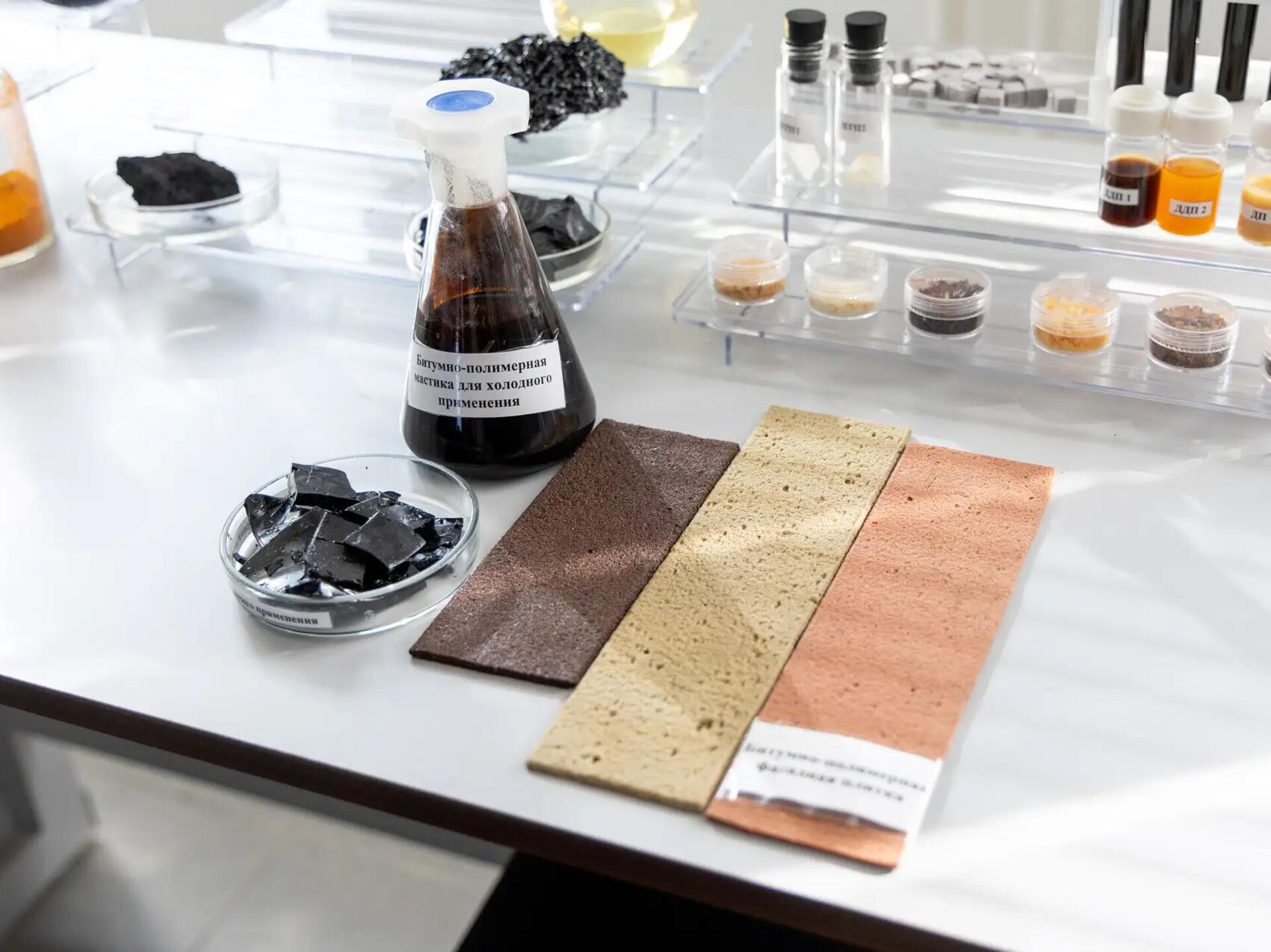
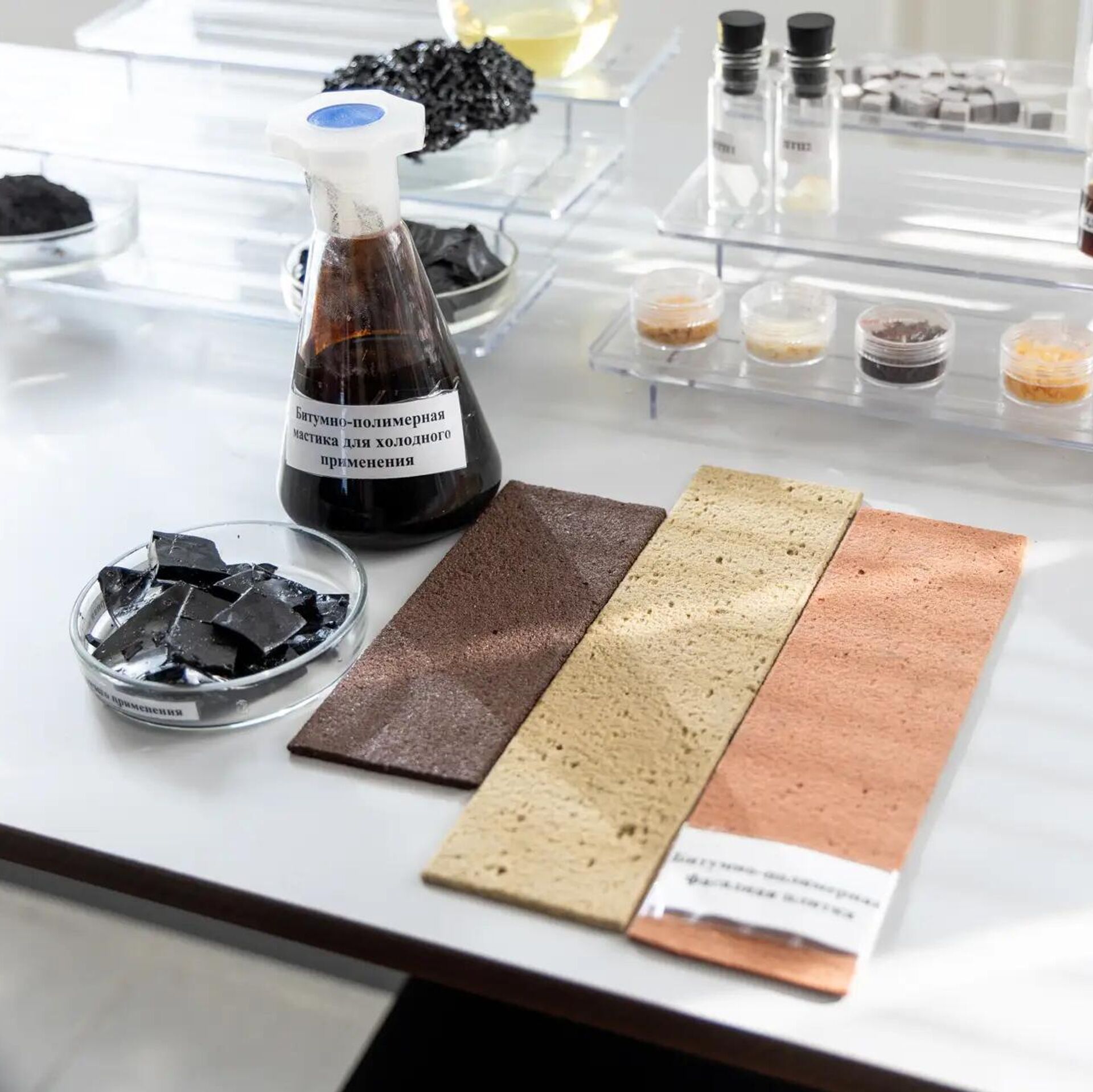
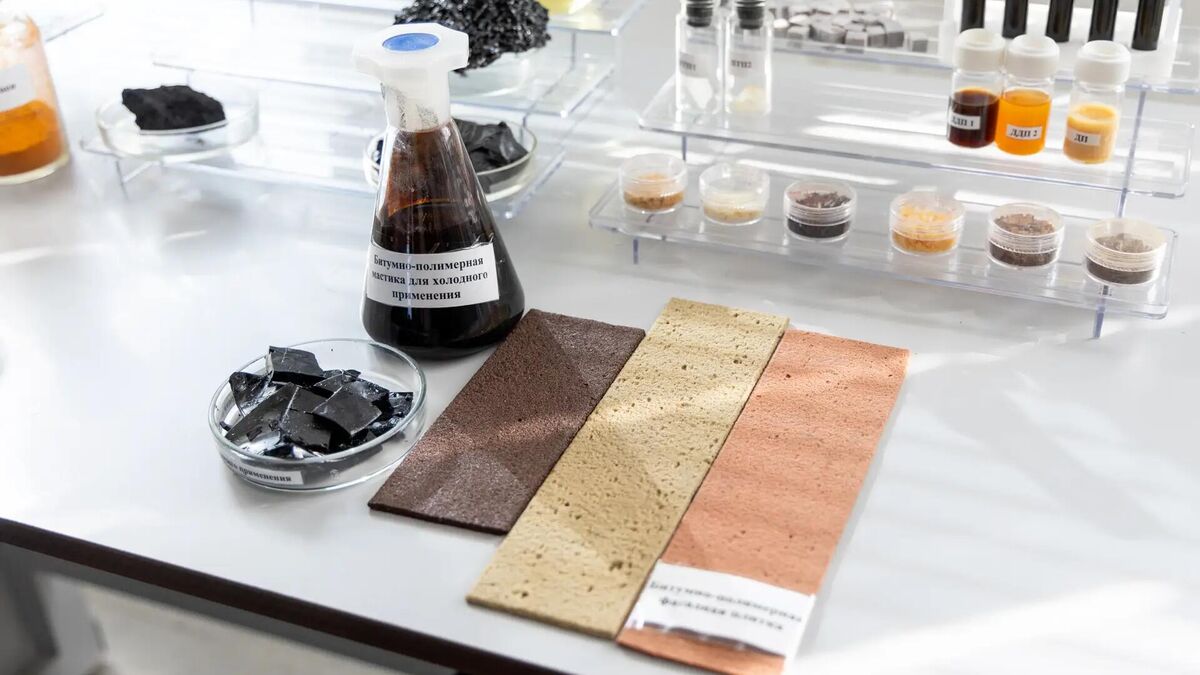
Scientists at the Siberian Federal University have developed frost-resistant materials – specifically, mastics – for protecting residential buildings in the severe Arctic and Extreme North environment. The unique sealants can withstand temperatures of –40°C, the university’s press service reported.
Bitumen and polymer sealants are paste-like materials that combine elastic and water-proof bitumen with durable polymers. They are used in the construction sector, the press release said.
According to developers, the mastics composed of novel materials boast expanded temperature intervals and are more frost-resistant (by a margin of 15-20°C degrees in terms of flexural rigidity, as compared to the official state quality standard of –15°C). These more durable and flexible materials protect structures from deformations and mechanical damage.
The composition of the mastic compounds allow for coating components of various structures with a continuous, impenetrable layer for protecting foundations, utility mains, building façades and rooftops, as well as the road and oil-producing infrastructure, from intensive precipitation and subterranean waters. The new materials’ ability to withstand temperatures of –40°C makes it possible to use them in Arctic regions, university experts emphasized.
“Typically, mastics can be flexible yet not very durable, and vice versa. In an effort to balance these qualities, we used a polymer filler that changes the material’s physical and chemical properties,” said Fyodor Buryukin, Head of the Siberian Federal University’s Chemical Technology of Natural Energy Carriers and Carbon Materials.
He added that the sealants developed at the university could be used to make facing tiles.
“The façades effectively simulate the surface of bricks or reinforced concrete sections, reliably protecting the building from disintegration caused by high humidity, storms, snowfalls, and hurricanes that are typical of northern Russian territories,” Buryukin noted.
According to the university’s press service, the new technology relies solely on domestically-developed components. Its use will not require any additional investment in operating enterprises. Moreover, bitumen, the main component of the newly developed sealants, is manufactured from oil refineries’ residue, which allows for increasing the share of hydrocarbons.
According to Buryukin, the experimental batch of bitumen and polymer sealants will be manufactured at available production facilities of the university’s industrial partner in the city of Achinsk in the Krasnoyarsk Territory.
The project has been financed by a grant from the Krasnoyarsk Regional Science Foundation and the industrial partner.