17:06 06.03.2026
Ship’s Doctor Alexander Zotov: On an Icebreaker You Can’t Just Slam the Door and Walk Away
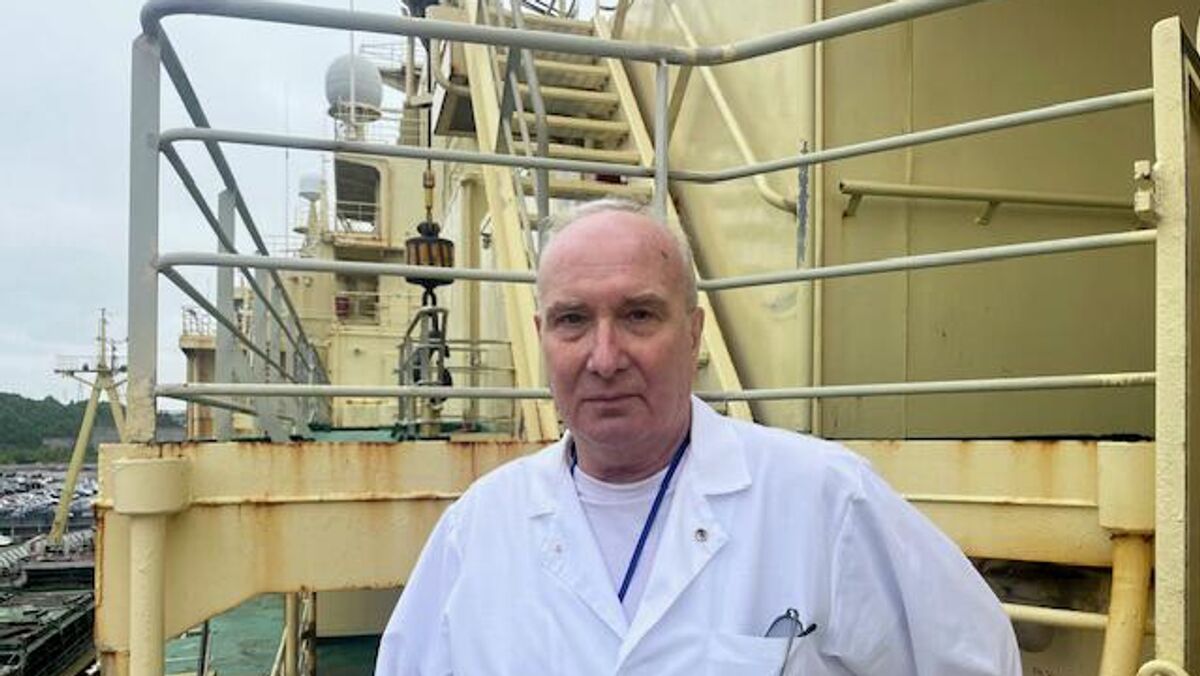
© The photo is provided by the press service of the FMBA of Russia
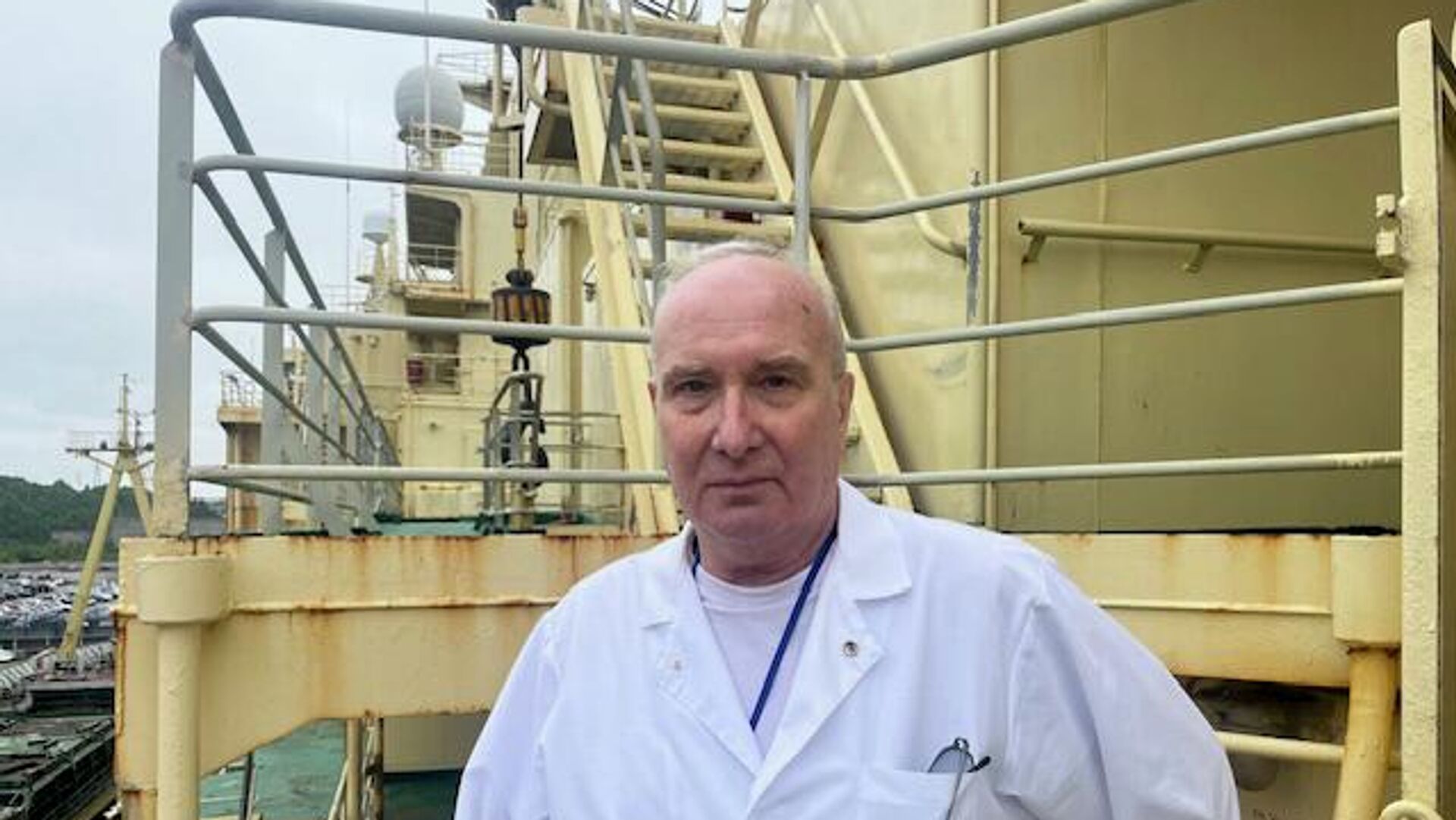
A ship’s doctor on an icebreaker is a physician, a surgeon, a dentist, and even a psychologist. What are you going to do if a crew member develops a toothache or an attack of appendicitis thousands of kilometers away from the shore? Alexander Zotov, a surgeon and a physician at the Maritime Medicine Department of the Northern Sea Route Medical Support Center at the Pirogov National Medical and Surgical Center of the Federal Medical-Biological Agency of Russia, knows the answer.
Since 2022, he has been responsible for the health of crew members and passengers aboard nuclear icebreakers navigating the Northern Sea Route. After working nearly half a century in medicine (including ten years at the Sklifosovsky Research Institute for Emergency Medicine), he traded shore-based surgery for the medical unit of a nuclear-powered vessel. In an exclusive interview with the Development of the Arctic and the Far East website, Alexander Zotov spoke about the most important quality a ship’s doctor must possess and why working on an icebreaker combines absolute freedom with absolute responsibility.
- Mr. Zotov, your road to maritime medicine looks unusual: the Sklifosovsky Institute, residency, and more than ten years working at the legendary clinic. Why did you end up on a ship?
After ten years at the Sklifosovsky Research Institute for Emergency Medicine, I worked for twenty years as a surgeon at a municipal outpatient clinic in Moscow. Then, family circumstances changed, and I was able to spend more time away from home. I started out as a doctor on the ships cruising the Volga River and Lake Onega and Lake Ladoga. However, the off-navigation period lasted from September to May. That was too long for me, since I preferred year-round employment. Then I stumbled upon the Murmansk-based Maritime Medicine Department of the Pirogov National Medical and Surgical Center. Since then, I’ve been working as a ship’s doctor on nuclear icebreakers.
- What is the most unusual part of being an icebreaker doctor for a shore-based surgeon?
It’s about absolute freedom and absolute responsibility. Here, you take the decision, carry it out, and are accountable for it. That’s the main advantage and the main challenge.
By definition, a surgeon is not a lone operator. He needs a team, and a reliable assistant in the person of a ship’s paramedic.
- What are the most serious cases you had to deal with at sea?
Every serious case is about saving a person when the shore may be thousands of kilometers away across ice. There was a case of wet gangrene of the foot. The paramedic and I fought to save it, but ultimately we decided to evacuate the patient over a distance of 3,500 kilometers. Thanks to coordinated efforts, the patient was evacuated to the Pirogov Multidisciplinary Center in Murmansk and had his foot saved.
- Are abdominal surgeries at sea a reality?
Absolutely, but only the ones that can be performed under local anesthesia. The medical units and medical kits on nuclear icebreakers are equipped even better than some hospitals, and doctors can provide high-quality professional medical help. Credit for this goes to the FMBA senior officials. They understand the specifics of our work and make genuine efforts to ensure we are supplied with modern equipment and medicines rather than a standard first-aid kit. For them, the Arctic is not just a line in a performance report but an area of genuine responsibility.
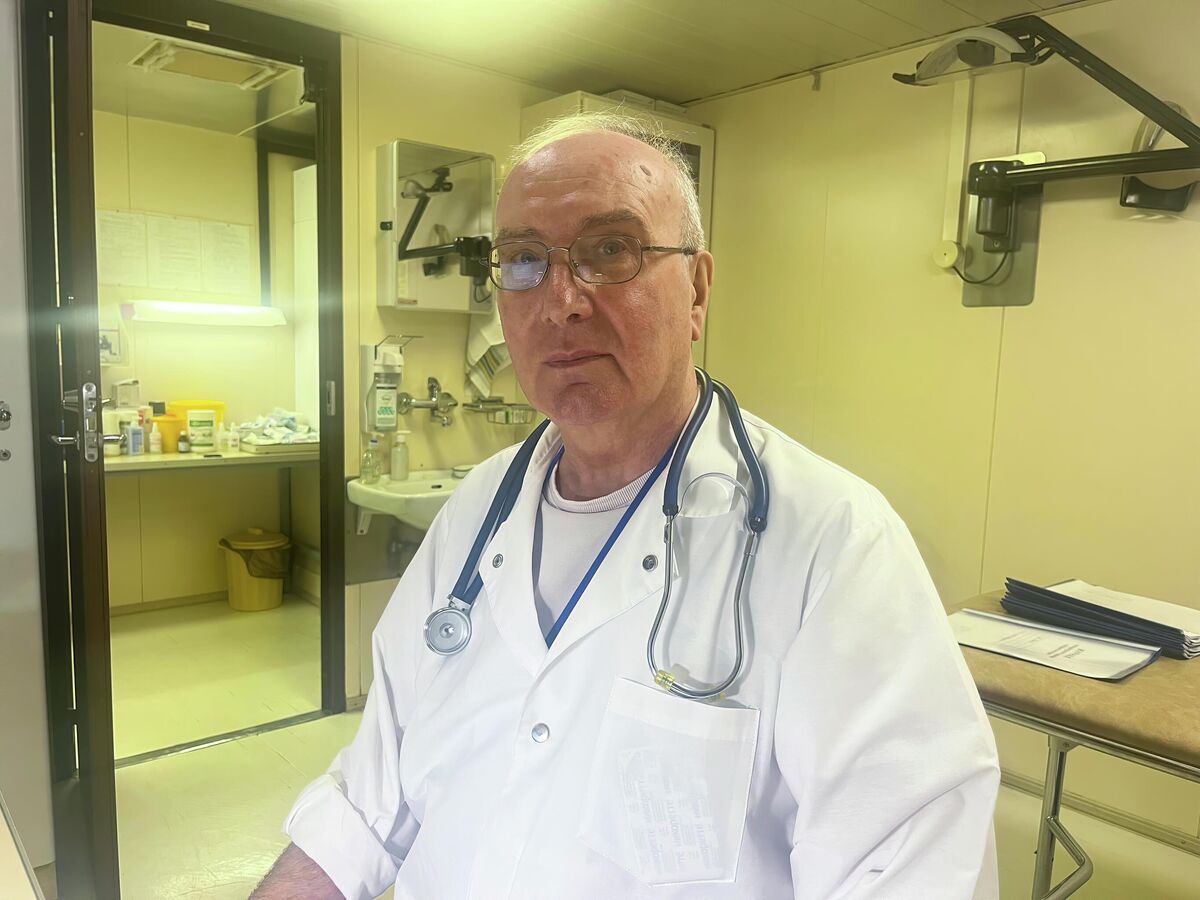
Alexander Zotov, Medical Doctor, Maritime Medicine Department, Northern Sea Route Medical Support Center at the Pirogov National Medical and Surgical Center, Federal Medical-Biological Agency (FMBA) of Russia
© The photo is provided by the press service of the FMBA of Russia
In my practice, we have carried out a complex forearm fracture reposition, removed teeth, and opened infected finger abscesses. I’ve seen it all during my career as a ship’s doctor. During autonomous voyages, a doctor must be ready for anything, including renal colic, hypertensive crises, or appendicitis. There are no narrow specialists onboard. You are a physician, a surgeon, a dentist, and a psychologist all at once.
- What is the most important quality for a ship’s doctor?
Not being afraid. Not being afraid of responsibility, not being afraid to do what you must do even if it goes beyond your shore-based specialty. And you also have to be passionate about what you do. Good work comes only from a master who loves his craft.
There are specific challenges as well. You operate in a closed space, in isolation. If you have a disagreement with a crew member, you can’t just slam the door and walk away. It’s like a space station: there’s nowhere to run.
- Does the crew follow your recommendations? Or are sailors a tough crowd?
In my fifty years in medicine I’ve learned to take this calmly. There were some adjustments to be made at first. According to regulations, I must conduct routine medical examinations. At first, there were complaints about endless blood pressure checks. But gradually they got used to it. Now they come to me and say, “Doctor, when is my examination due?” Mutual respect has developed.
- What advice would you give young doctors who dream of such work? What should they pay attention to?
My path may not be an example to follow, but it has a story to tell. I wouldn’t recommend taking it as the first job right after graduating from a university without extensive clinical experience. This isn’t an internship where a mentor can interfere and correct you. Here you are the final authority. Yes, you can run a specific case by your colleagues on nearby icebreakers or doctors in Murmansk. You can provide a detailed report, EKCGs, X-rays, and receive recommendations from leading specialists at the Pirogov National Medical and Surgical Center of the FMBA of Russia. But you are the one to take the final decision.
After completing my residency at the Sklifosovsky Institute, I deliberately went to a rural district hospital in the Yaroslavl Region. That was the best school for an independent operator. The nearest major urban center was 75 kilometers away. There was no such thing as weekends for me, because people may be having fun, but a surgeon keeps working. Traffic accidents, domestic injuries, or flare-ups - you deal with everything alone. You deliver babies, operate on appendicitis, reposition a dislocation, and carry out resuscitation. There are no age or specialty restrictions like in a specialized urban clinic. If a patient walks in, he is yours. That comprehensive and total responsibility for a person amid limited resources is the best practice you may have before you start working on a ship.
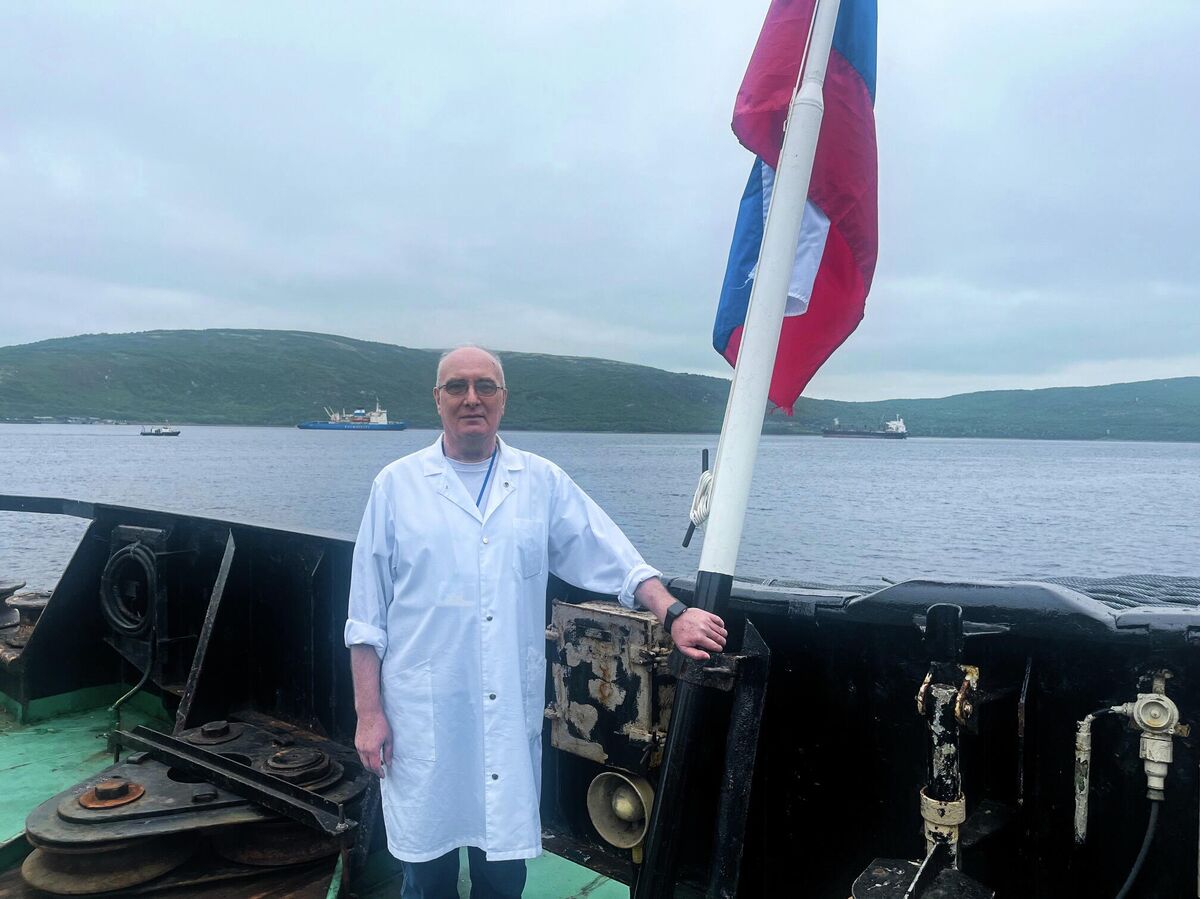
Alexander Zotov, Medical Doctor, Maritime Medicine Department, Northern Sea Route Medical Support Center at the Pirogov National Medical and Surgical Center, Federal Medical-Biological Agency (FMBA) of Russia
© The photo is provided by the press service of the FMBA of Russia
It’s the same on an icebreaker. The only difference is that the space is confined to the size of the vessel, and the “nearest medical center” is 3,000 kilometers away and often inaccessible due to bad weather.
I had to deal with toothaches turning into abscesses, hypertensive crises, injuries, and conditions requiring immediate surgery. You must be able to diagnose these conditions and act across this entire spectrum. Not just “know how to treat appendicitis,” but diagnose it accurately without MRI and operate immediately if there is no other option.
So my advice is first to gain experience in challenging circumstances where you are the main and often the only doctor for many people. Sharpen not only your physical skills as a surgeon, but your clinical thinking and intuition as well. You also need to know the boundaries of your mental toughness. Here you are not only a doctor but part of a confined crew environment. After a day of hard work you can’t just go home and unwind. You stay in the company of the same people. You must know how to set boundaries and keep cool and professional when emotions are running high.
- So this is less a job for romantic dreamers of the sea and more for strong professional all-round doctors?
You got it right. The romance of ice and northern lights ends with the first emergency call you get at 3 am. This job is a choice for a mature, fully formed specialist who knows the value of his skills and the limits of his own psyche. This is a natural and very strict filter. But for those who can pass it, it becomes a unique experience and absolute professional freedom.