12:25 06.03.2026
Andrei Chibis: For me, someone who lives in the Arctic is the symbol of the Arctic
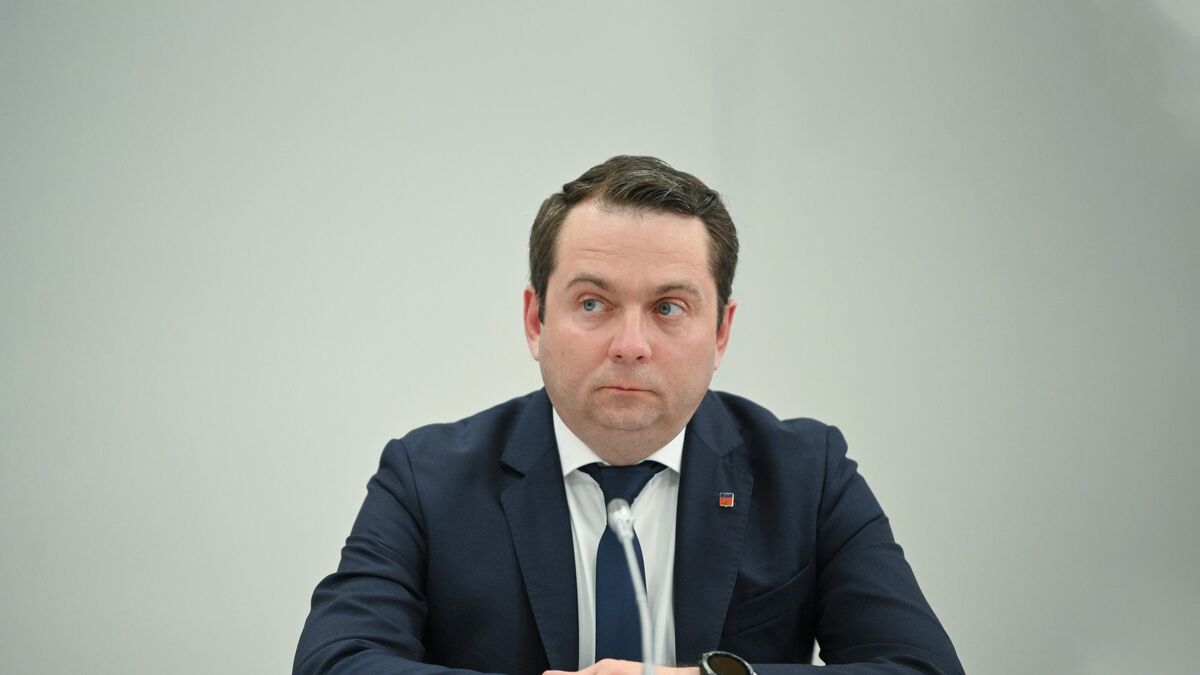
© RIA Novosti / Alexander Kazakov
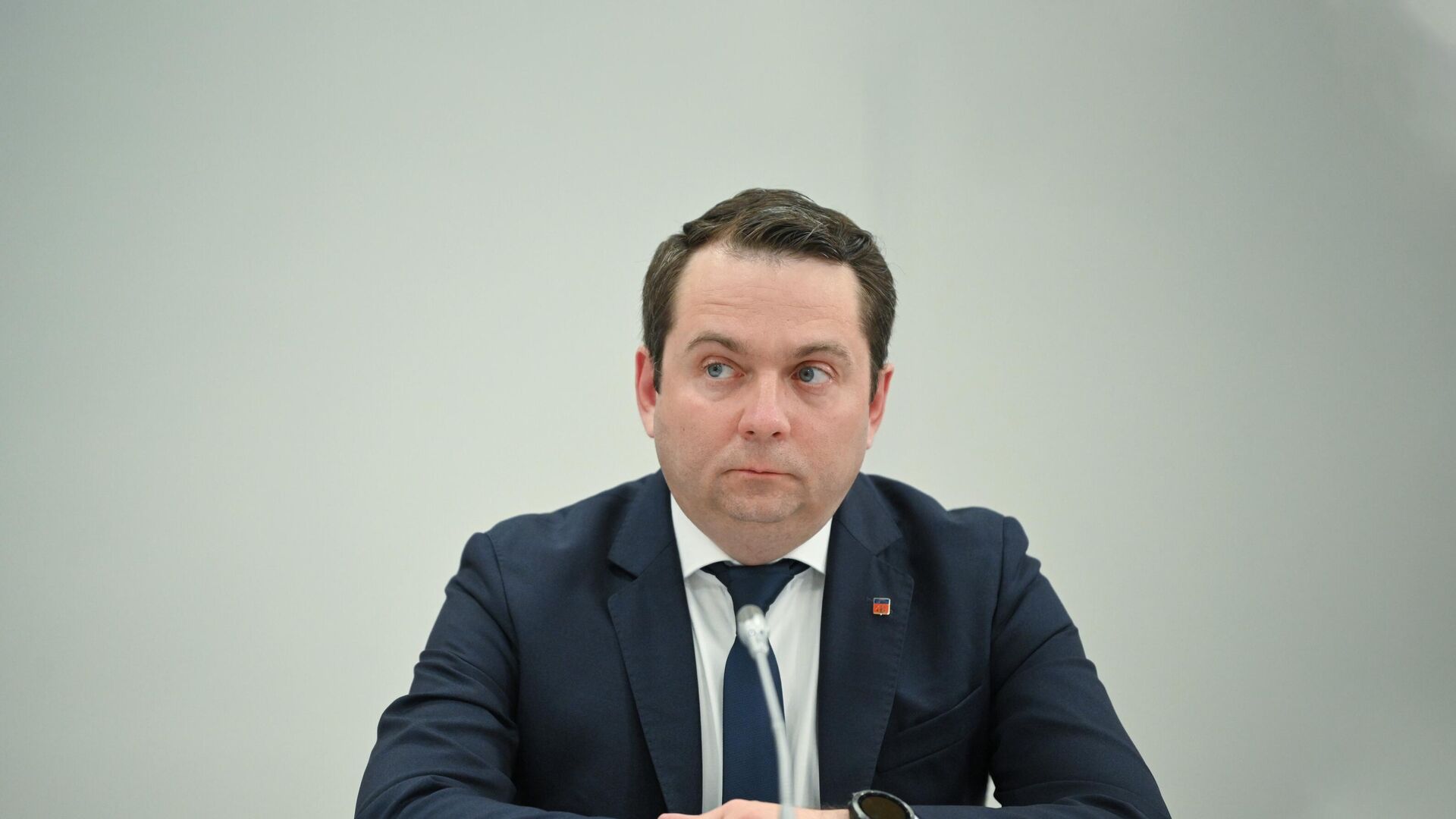
Murmansk Region Governor and Chair of the Northern Sea Route and the Arctic State Council Commission Andrei Chibis discussed the present and the future of the Russian Arctic, the implementation of the Strategy for the Development of the Arctic Zone of the Russian Federation to 2035, and the prospects for the Trans-Arctic Transport Corridor project in an interview with the Arctic.ru portal.
– The first phase of the Strategy’s implementation was completed in 2024. What, do you think, was your top achievement?
Most importantly, we managed to bring together the scientific community, the business community, and public authorities and to create a comprehensive Arctic development system, where economic objectives go hand in hand with improving the quality of life which is crucially important because the Arctic is primarily about the people who live and work here.
Systematic work has been carried out to create proper environment for business development. Favorable regimes of the Arctic Zone of the Russian Federation (AZRF) and priority development areas (PDAs) have been launched, over 35 trillion roubles have been invested, and over 1,000 projects are being implemented.
To put that in quantifiable terms, an all-time high of cargo volume along the Northern Sea Route at nearly 38 million tonnes was achieved in 2024.
Comfortable living conditions, including the Arctic mortgage program at 2 percent, have been created. The Arctic Hectare program has been launched. Extending the closed administrative-territorial entity (ZATO) renovation program supported by President Vladimir Putin came as an important milestone. Given the circumstances, this program is critically important for improving quality of life in the Arctic and for ensuring national security.
Master plans have been developed and approved for 16 key Arctic settlements and urban areas, as well as for Russian settlements on Spitsbergen. These serve as roadmaps for the development of specific territories with clearly defined support measures.
We are also laying the groundwork for the future. Work is underway on a comprehensive project for the development of the Arctic and the Trans-Arctic Transport Corridor supported by the President of Russia.
– The Arctic Development Strategy was drafted in 2020. Since then, significant changes have taken place globally and domestically. Do you believe program documents need to be adjusted? If so, what specific adjustments are needed?
It goes without saying that the Strategy for the Development of the Arctic Zone to 2035 is a document that laid a solid foundation, created a new conceptual framework, and defined key macroregional development areas.
However, circumstances have changed, and the geopolitical situation has shifted dramatically. Sweden and Finland joined NATO thus abandoning the policy of military neutrality they had maintained for decades. This means that virtually all Arctic countries except Russia are now part of a single military bloc. The Arctic has become militarized, which contradicts an important provision of the Russian Federation’s National Security Strategy.
The economic environment has changed as well. We have faced unprecedented sanctions pressure, leading to the restructuring of many logistics routes.
Our research shows that after 2035 there is a risk of declining cargo volumes along the Trans-Arctic Corridor due to depletion of existing mineral deposits.
All of that means that the regulatory framework governing Arctic development needs revision. However, simple adjustments will not do the job, and a fundamentally new document is needed to integrate all development areas into a single whole. Today, transport, economic, and security strategies exist separately and are often not synchronized.
That is why I proposed creating a comprehensive project for the development of the Arctic and the Trans-Arctic Transport Corridor which will integrate decades of best practices, extensive analytical work which was conducted by the State Council Commission, the Maritime Board, and the expert community. It will tie together the goals of all agencies, establish a clear sequence of actions, and ensure systematic work. The Arctic can only be developed as a single system, where all processes from geological exploration to product export and from energy to social infrastructure are synchronized.
– Which areas of Arctic development do you consider top priorities?
The comprehensive project we are forming is structured around five key areas. Each of them is based on thorough analysis and addresses the specific challenges facing the macroregion.
Strengthening national security is area number one which is this is critically important in the context of Arctic militarization. This includes modernizing infrastructure in ZATO and creating a fully operational emergency rescue system along the entire length of the Trans-Arctic Corridor.
The second area focuses on developing the mineral resource base. Russia accounts for nearly 30 percent of global gold production, 20 percent of nickel, 40 percent of palladium, and 10 percent of platinum. All of that is found in the Arctic. The potential is enormous. We must expand geological exploration of hard-to-access deposits while simultaneously developing infrastructure such as roads, energy capacity, and housing.
The third area concerns the development of the Trans-Arctic Transport Corridor which implies expanding the icebreaker, cargo, and auxiliary fleets; modernizing port facilities; and increasing railway capacity. The main objective is to synchronize all links in the logistics chain. President Vladimir Putin has launched operations at the Murmansk Transport Hub and initiated coal shipments from the Lavna Port which is its anchor facility.
Area number four is dedicated to scientific and technological development and involves fortifying research centers, creating specialized testing sites, and developing domestic technologies for operation in extreme conditions.
The fifth area addresses environmental security which includes eliminating environmental damage and introducing the latest waste disposal techniques that can operate under low temperatures.
All five areas are interconnected. None can be developed in isolation. Synchronizing the efforts of federal authorities, business, and the scientific community is essential.
– The Arctic is an area of international economic and geopolitical interest. In which areas does Russia have the greatest potential for cooperation with foreign partners and investors in Russia’s High North?
The Arctic: Territory of Dialogue International Arctic Forum 2025 brought together about 1,300 participants and media representatives from 21 countries, as well as approximately 230 representatives of Russian and foreign businesses from over 110 companies.
These figures speak for themselves: interest in the Arctic is growing. Despite the complex geopolitical situation, thanks to Russia, the Arctic remains a space for dialogue and mutually beneficial cooperation.
As President Putin noted at the forum’s plenary session, Belarus, China, the United Arab Emirates, India, and several other countries have shown interest in developing Arctic transport infrastructure and using the Trans-Arctic Transport Corridor, the key section of which is the Northern Sea Route. This is understandable: the route is 40 percent shorter than the existing route via the Suez Canal, reduces travel time by up to 15 days, and operates under full Russian control which ensures security. A number of successful projects are already underway.
For example, a project with the Republic of Belarus provides for the construction in Murmansk of a Belarusian terminal for transshipment of potash fertilizers and petroleum products, with a potential cargo volume of up to 30 million tonnes. Belarus will obtain a secure year-round transport corridor for access to global markets, while the Murmansk Region will receive another boost for growth, additional jobs, and tax revenue.
China has attracted significant investment into the Yamal LNG and Arctic LNG2 projects. India has invested in Russian energy projects as well, viewing the Arctic as a long-term source of energy security.
– What is being done to make the Northern Sea Route attractive for international transit? What projects to this end are planned in the coming years?
Ensuring year-round navigation is the number one crucially important area. The development of the Northern Sea Route is facilitated by modern Project 22220 nuclear-powered icebreakers, which can operate efficiently both in the estuaries of Siberian rivers and along the Northern Sea Route. They are capable of escorting tankers with a displacement of up to 100,000 tonnes in the Arctic. The construction of a lead icebreaker from the Lider project, which will become the world’s most powerful icebreaker capable of operating year-round in the most difficult ice conditions, is underway.
The second area includes the development of port infrastructure. Plans include expanding the Murmansk and Arkhangelsk transport hubs. A project is underway to build the Western Transport and Logistics Hub container terminal. The development of the ship repair complex in the Murmansk Region will significantly enhance maintenance of vessels, including icebreakers.
The third priority is safety. Measures are in place to build an emergency rescue fleet and equipping Arctic integrated rescue centers operated by the Emergencies Ministry with helicopters. Shipping operators must know that in case of an emergency situation professional assistance will arrive quickly.
Digitalization is the fourth area. The fifth concerns railway infrastructure. Establishing railway links to the western shore of the Kola Bay holds promise for further development of the Port of Murmansk, highlighting the need to modernize railway infrastructure and to expand port facilities.
– What threats to the operation of the Northern Sea Route exist today, and what is the protection against them?
The first group of threats includes geopolitical threats and threats related to national security. The route lies entirely within the territorial waters of the Russian Federation, which eliminates the risk of disruption of logistics chains due to sanctions pressure. However, this also means the need to ensure full control over the entire water area.
The second group of threats concerns the future need for fleet capacity after 2035–2038 to support new infrastructure projects, particularly those related to resource development.
– Does the problem of population outflow in the Arctic persist, or has this trend been reversed? What, do you think, is still lacking to make life comfortable in the Far North?
Indeed, we have reversed the trend, although much remains to be done. For the first time in 30 years, the Murmansk Region recorded positive net migration, meaning that the number of people who moved in is greater than the number of those who left the region.
We have built a comprehensive system of support measures. One of them is the 2 percent Arctic mortgage program. It covers not only young families, but also teachers, healthcare workers, participants in the special military operation, and employees of defense industry enterprises. In the Murmansk Region alone, more than 2,000 families have already received low-cost mortgages totaling about 7 billion roubles.
We launched the ZATO renovation program addressing the problem of outdated housing stock in closed cities. Master plans have been approved for 16 core Arctic settlements and urban areas with specific funding allocations.

We created the Course to the North labor support program, which provides comprehensive assistance from job search to full adaptation in a new location. Since its launch, about 850 people, including specialists and their families, from 76 Russian regions have relocated to the Murmansk Region.
We engage with students and university graduates across the country, offering internships at the region’s major enterprises. The newly arrived teachers note that salaries are on average three times higher than in the regions they came from and workloads are lower. Also, vacations are longer (about 25 additional days on average), education levels are high, and schools are well-equipped. A wide range of free extracurricular programs for children is available.
In addition, the Arctic Beacon program aimed at involving the Murmansk Region residents in attracting young professionals has been launched. Referrers receive 15,000 roubles for each invited specialist who relocates and finds employment in the region.
– The state is paying great attention to healthcare in the Arctic Zone of the Russian Federation. An Arctic medicine standard has recently been developed. How do you assess progress in this area?
The Arctic medicine standard represents a fundamentally new approach to organizing healthcare in the macroregion. The initiative was developed by the Northern Sea Route and the Arctic State Council Commission together with experts and heads of Arctic regions. The standard was drafted under the supervision of the Ministry of Healthcare and is currently undergoing approval procedures prior to pilot run.
Following the Arctic: Territory of Dialogue International Arctic Forum 2025, the Government was instructed to develop additional funding mechanisms for medical care provision in northern territories.
The essence of the standard is moving away from a universal approach and creating a model tailored to Arctic realities. This is important, because the Arctic is more than a cold climate. It is a distinct medical environment with specific illnesses, vitamin D deficiency due to limited sunlight (particularly during the polar night), increased strain on the cardiovascular system, and complicated logistics for emergency medical care. The standard aims to form a new treatment approach, increase life expectancy and active longevity, and prioritize disease prevention systems, allowing greater investment in early diagnosis.
– Speaking of labor training in the long term, would it be more effective to bring in rotational workers to the region, or to continue improving conditions for permanent residence in the High North?
The rotational method has its own place and its own logic, and is effective and economically justified for developing new deposits and building infrastructure in hard-to-access areas.
However, the strategic development of the Arctic which we are discussing requires a different approach.
Someone who lives in the Arctic permanently is committed to investing in its future, because it represents their own future as well. They have a stake in developing infrastructure, providing quality education for their children, modern healthcare, and improving their city. They participate in public life and create cultural environment. A rotational worker, with all due respect, cannot develop such a deep connection to the region. For them, it is a workplace, not a home.
Look at foreign Arctic territories: their populations are steadily growing, since the authorities are deliberately working to keep people in place there. We must do the same, but even more effectively.
I am convinced that priority should be given to creating proper conditions for permanent residence, as mentioned above when the Arctic becomes home rather than not a spot for back-to-back work. That is why the Murmansk Region motto is “Live in the North!”
– Which particular professions, do you think, will enjoy most demand in the Arctic ten years from now? How is the education system adapting to train them?
We analyzed this and drafted a list of key competencies that will shape the Arctic’s workforce potential over the next decade. It includes more than 20 professions.
The development of the Trans-Arctic Transport Corridor will require ice-class captains, navigators specialized in Arctic navigation, port logisticians, and icebreaker dispatchers. These are specialists who understand the specifics of operating in conditions where the navigation season depends on ice conditions.
In geology and mining, professionals capable of working in permafrost conditions will be needed, such as mining engineers skilled in extraction technologies at extreme temperatures, and specialists in deep processing of rare earth metals.
Arctic bioresources and biotechnology will also require specialists. In digital technologies, professionals are needed who understand the macroregion’s unique challenges: digitalization of Northern Sea Route logistics, ice monitoring systems, and management of intelligent port complexes.
Fully aware of these needs, we are building a training system supported by President Putin. Fourteen billion roubles have been allocated to build a student campus at Murmansk Arctic University. The campus will include a research and education center with a technology park, a student dormitory, modern academic buildings, a sports complex, and a shore-based training center. This university will be of interest not only to the Murmansk Region, but to the entire Russian Arctic.
In the Murmansk Region, we are creating a continuous training trajectory for specialists. In September 2025, a Governor’s Lyceum opened with three tracks: Northern Sea Route, Mineral Resources and Technologies, and Arctic Bioresources and Biotechnologies. Students receive practical training in laboratories and at Murmansk Arctic University, ensuring the training process continuity. Together with our industrial partners, we are creating specialized classes in schools and equipping modern educational spaces under the Arctic School project.
In the coming decades, the Arctic will also need professionals with critical thinking skills, creativity, and the ability to teach and to learn. For this purpose, the Scientific and Technological Creativity Center Rodina has been created in the Murmansk Region.
It is safe to say that we have already begun training the professionals who will manage a high-tech tomorrow in the Arctic.
– How serious, in your opinion, is the issue of climate change for the Arctic? Do programs get adjusted in light of these changes?
Climate change in the Arctic is an objective reality. However, what matters here is a balanced scientific approach based on research data.
True, the Arctic is getting warmer. However, Russian scientists from the Arctic and Antarctic Research Institute provide measured assessments and are not supportive of the theory that the Arctic Ocean will be completely ice-free in the summers by mid-century.
According to forecasts, by 2050, ice conditions along the Northern Sea Route between August and October will be less complicated. However, this does not mean ice will disappear; navigation conditions will change, that is all. In addition, the increased frequency of storms is among the most consequential global consequences of climate change, and it needs to be adapted to.
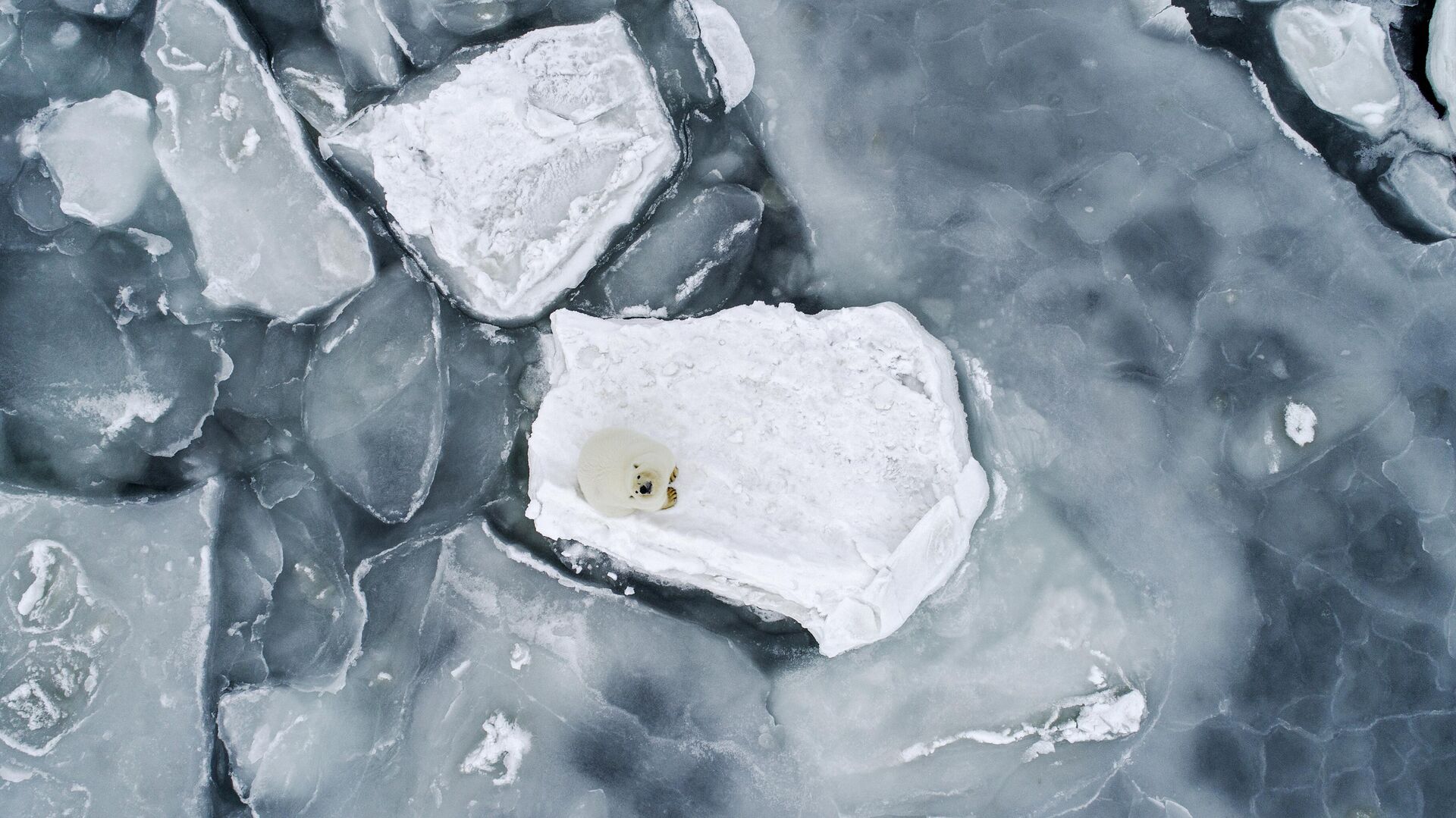
We keep studying this issue. First, the Arctic and Antarctic Research Institute regularly publishes long-term ice forecasts, which help plan navigation and infrastructure projects. Second, we are building new-generation icebreakers capable of operating in changing conditions. We are also developing a permafrost monitoring system, which is critically important for the infrastructure which matters a lot when it comes to ensuring safety and proper functioning of enterprises.
By the way, environmental safety and climate adaptation are designated as a separate area in the comprehensive Arctic and Trans-Arctic Transport Corridor development project.
– Which Arctic tourism projects get the most attention these days? Which ones have the potential of becoming the most popular with the Russian and foreign visitors?
Arctic tourism is showing steady growth, and the figures confirm this. I will use the Murmansk Region as an example. In 2025, the region welcomed around 800,000 tourists. Today, every third tourist choosing a northern destination in Russia comes to us. Tourism has become an important part of the regional economy: in 2024, the volume of paid services in this sector reached 7.2 billion roubles, up 20 percent compared to the previous year.
Several areas are developing most actively. The first is northern lights tourism. The Shining Objects project operates in the Murmansk Region, where businesses install Northern Lights navigation and tourist signs, provide safe parking, café services, sanitary facilities, and convenient observation areas.
Marine tourism and whale watching is the second area. Tour operators offer freediving and diving experiences in Teriberka for those wishing to marvel at the beauty of the Barents Sea.
The third is event tourism. Visitors are attracted by the Teriberka and Imandra festivals, Gastro Industry Fest, the Festival of the North competitions which is our Polar Olympics, and the Murmansk Ski Marathon.
Industrial tourism is a new promising area. Under a socioeconomic development agreement between the Murmansk Region and Norilsk Nickel, plans are underway to develop a tourism cluster in the Pechenga District to include the site of the former smelting shop in Nikel, the Kaula-Kotselvaara oldest mine, and the Kola Superdeep Borehole.
Another notable project is industrial tourism at the Kola Wind Farm, which is the world’s largest wind park beyond the Arctic Circle. The project has received high federal recognition. In 2025, it became a prize winner of the national Route of the Year award, and in early 2026 it was named among the winners of the RUPOR international tourism communications award.
As for future prospects, I see several key areas. The first is cruise tourism. Expedition cruises aboard nuclear icebreakers to the North Pole are already very popular. We also see growth potential in expedition cruises to the Spitsbergen Archipelago and in including the Tersky Coast of the White Sea in cruise navigation routes.
Importantly, Arctic tourism is not about beach holidays. It is a special segment for the people who are prepared for adventures in extreme conditions. Our goal is to preserve this uniqueness while developing comfortable infrastructure and high service standards.
– What is a symbol of the Arctic for you?
For me, someone who lives in the Arctic is the symbol of the Arctic.
The Arctic was developed by the people who were not afraid to venture into the unknown, or to create comfortable lives where such life once seemed impossible. They proved the opposite, and that approach resonates with me, as does their spirit, resilience, and readiness to overcome difficulties for a great purpose.
Today, this entrepreneurial spirit is alive in the people who work at strategic Arctic enterprises and ensure the country’s security and economic strength, the people who serve and defend our borders, those who raise children, teach them, provide medical help, build homes and roads, and create the future.
The North has revealed the scale of a human character to me. Here I saw the meaning of true fortitude.
That is why, for me, a human being is the symbol of the Arctic. A strong, honorable, and unbreakable human being. Someone who stays here not because they are unable to leave, but because this is their home, their land, and their choice.
The choice is TO LIVE IN THE NORTH!