https://en.arctic.ru
Expert: Global warming is the main factor impacting Arctic fauna changes
Expert: Global warming is the main factor impacting Arctic fauna changes
Arctic.ru: Discover how Russia implements its development goals in the Arctic and the Far East
2026-03-06T11:07
2026-03-06T11:07
2026-07-16T11:36
expert opinion
ecology
/img/07ea/03/06/1276259_0:0:3642:2048_1920x0_80_0_0_567efe32e5a99cccb38b1f53ce031974.jpg
The Arctic animal kingdom has experienced major changes in the past 25 years. This is linked with the following two main factors, specifically, climate change and anthropogenic impact. According to Head of the Faculty of Ecology and Evolutionary Animal Ecology at the Tyumen State University, Sergei Gashev, DSc, climate change exerts the main impact.According to the specialist, climate change is an inevitable process, and humankind is virtually unable to influence it. Certainly, greenhouse gases are making their contribution, but natural causes still play a decisive role.Natural trap for polar bearsWarming facilitates the migration of animals. Southern species move north, and the population of northern species continues to dwindle because these animals have nowhere to go. Polar bears are the hardest-hit, falling into a veritable “natural trap.”Changes in the animal world can impact Russian Arctic regions; first of all, this concerns hunters and fishermen.“Fishermen and hunters will feel the crunch in conditions of dwindling resources. But many urban residents may not even notice this,” Sergei Gashev said.Useful heaps of scrap metalAccording to the expert, multiple measures can be implemented for preserving the regional animal world to the greatest possible extent. For example, it would be appropriate to reduce the industrial impact, including hydrocarbon pollution levels. However, the scientist believes that we should not waste money on removing scrap metal from the Arctic.He also noted that the annual increase in the number of Arctic tourists posed no danger to local ecosystems.“A real tourist is a well-educated and highly responsible person who will not damage the environment and the animal world,” the Head of the Faculty of Ecology and Evolutionary Animal Ecology at the Tyumen State University said.
2026
Новости
ru-RU
https://en.arctic.ru/docs/about/copyright.html
https://xn--c1acbl2abdlkab1og.xn--p1ai/
/img/07ea/03/06/1276259_417:0:3148:2048_1920x0_80_0_0_32a973be77d425f0dd09de95247c2aee.jpgexpert opinion, ecology
Expert: Global warming is the main factor impacting Arctic fauna changes
The Arctic animal kingdom has experienced major changes in the past 25 years. This is linked with the following two main factors, specifically, climate change and anthropogenic impact. According to Head of the Faculty of Ecology and Evolutionary Animal Ecology at the Tyumen State University, Sergei Gashev, DSc, climate change exerts the main impact.
“People like to link everything with anthropogenic factors, and it would be absurd to deny their impact. But I would prioritize climatic factors; regional warming influences the Arctic and Sub-Arctic fauna most of all,” the expert noted.
According to the specialist, climate change is an inevitable process, and humankind is virtually unable to influence it. Certainly, greenhouse gases are making their contribution, but natural causes still play a decisive role.
Natural trap for polar bears
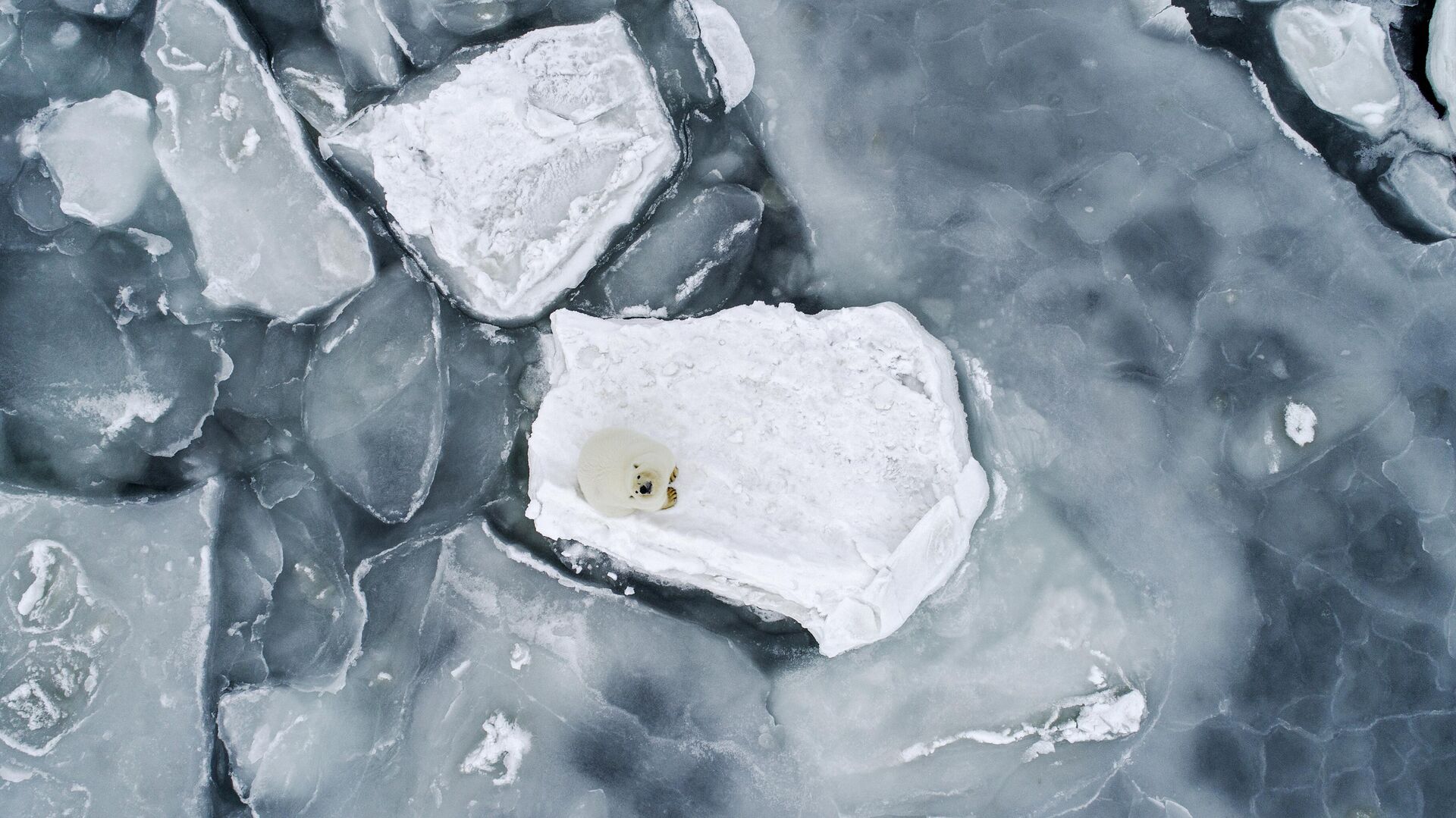
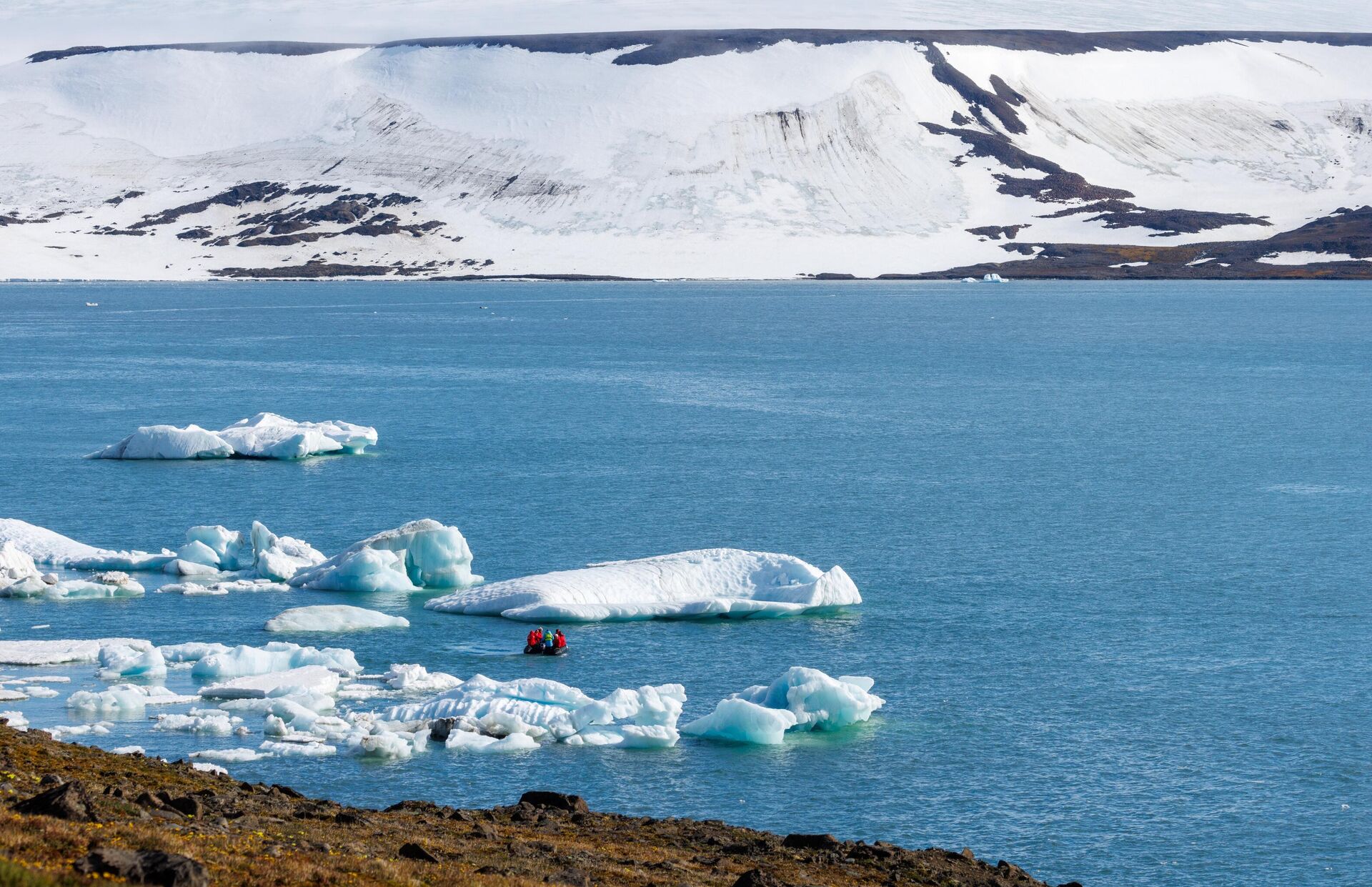
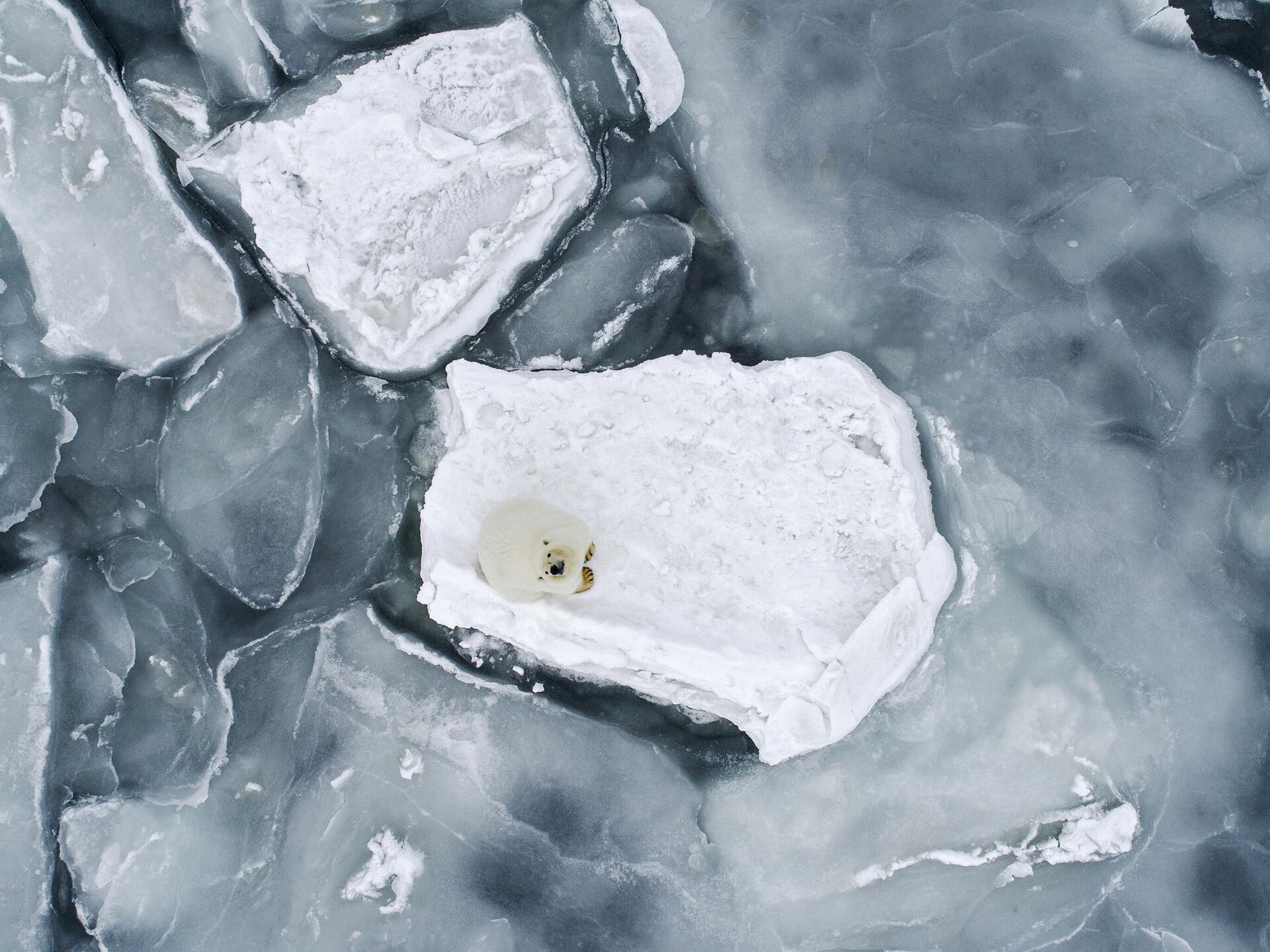
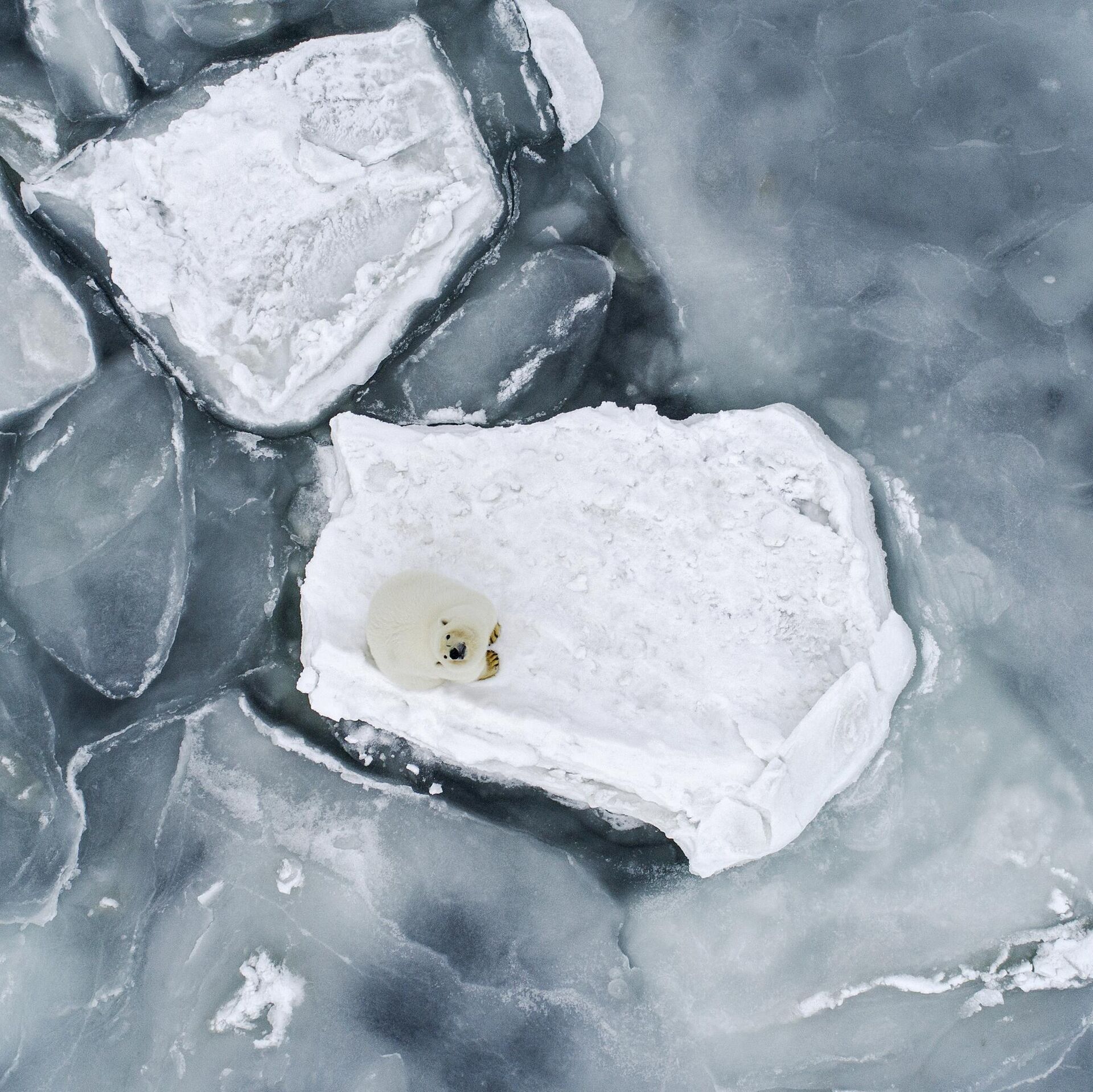
Warming facilitates the migration of animals. Southern species move north, and the population of northern species continues to dwindle because these animals have nowhere to go. Polar bears are the hardest-hit, falling into a veritable “natural trap.”
“Polar bears ambush marine mammals near ice-holes, but they are unable to hunt effectively when the area of ice-holes matches that of sea-ice formations. People are unable to change anything here. All they can do is reduce anthropogenic impact on troubled species,” the specialist said.
Changes in the animal world can impact Russian Arctic regions; first of all, this concerns hunters and fishermen.
“Fishermen and hunters will feel the crunch in conditions of dwindling resources. But many urban residents may not even notice this,” Sergei Gashev said.
Useful heaps of scrap metal
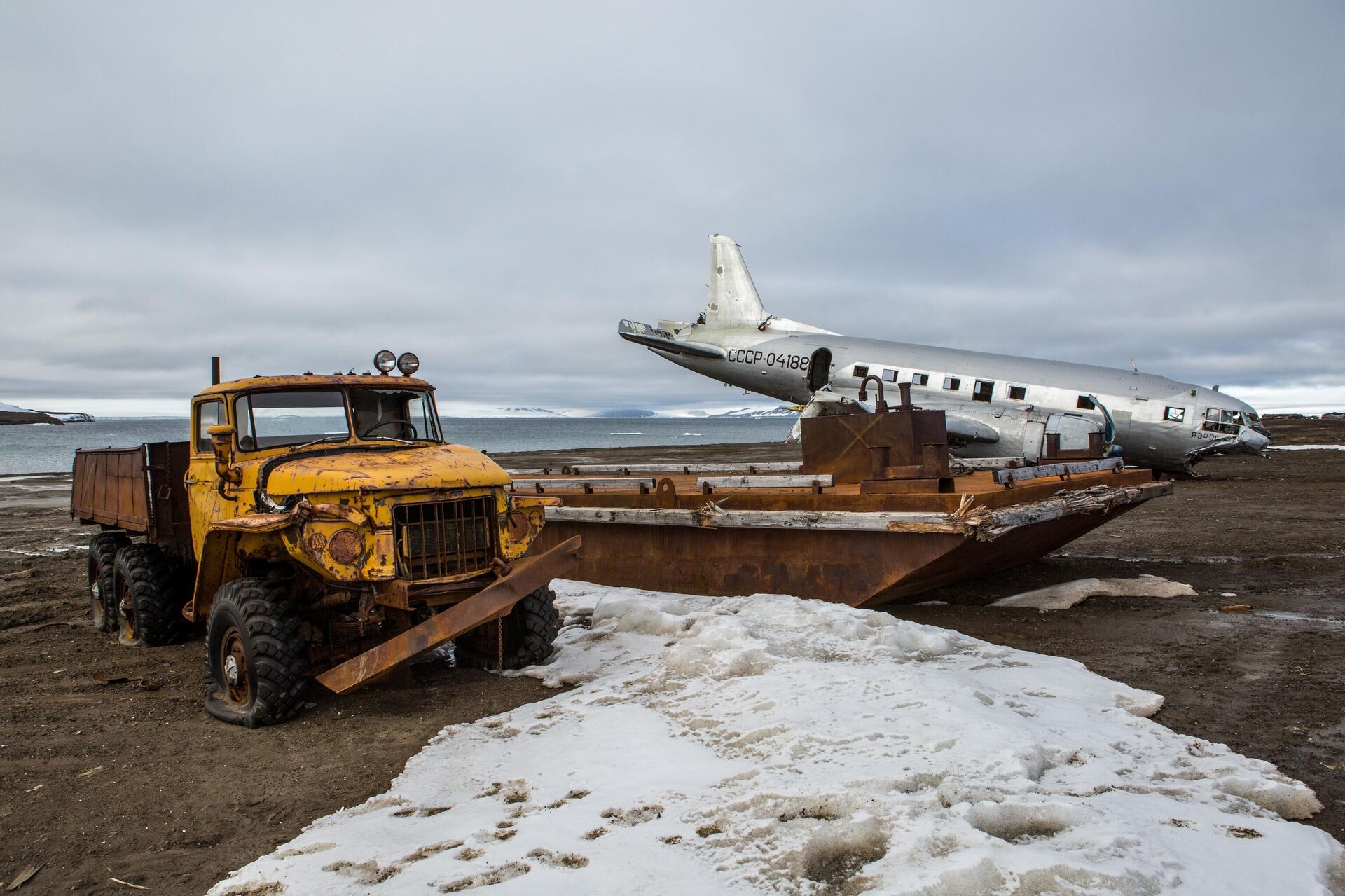
According to the expert, multiple measures can be implemented for preserving the regional animal world to the greatest possible extent. For example, it would be appropriate to reduce the industrial impact, including hydrocarbon pollution levels. However, the scientist believes that we should not waste money on removing scrap metal from the Arctic.
“People find this aspect aesthetically unpleasant, but, from nature’s standpoint, this amounts to new ecological niches which are relatively few in the Arctic. No matter how blasphemous this many sound, but the tundra animal world benefits from heaps of scrap metal.“
He also noted that the annual increase in the number of Arctic tourists posed no danger to local ecosystems.
“A real tourist is a well-educated and highly responsible person who will not damage the environment and the animal world,” the Head of the Faculty of Ecology and Evolutionary Animal Ecology at the Tyumen State University said.