https://en.arctic.ru
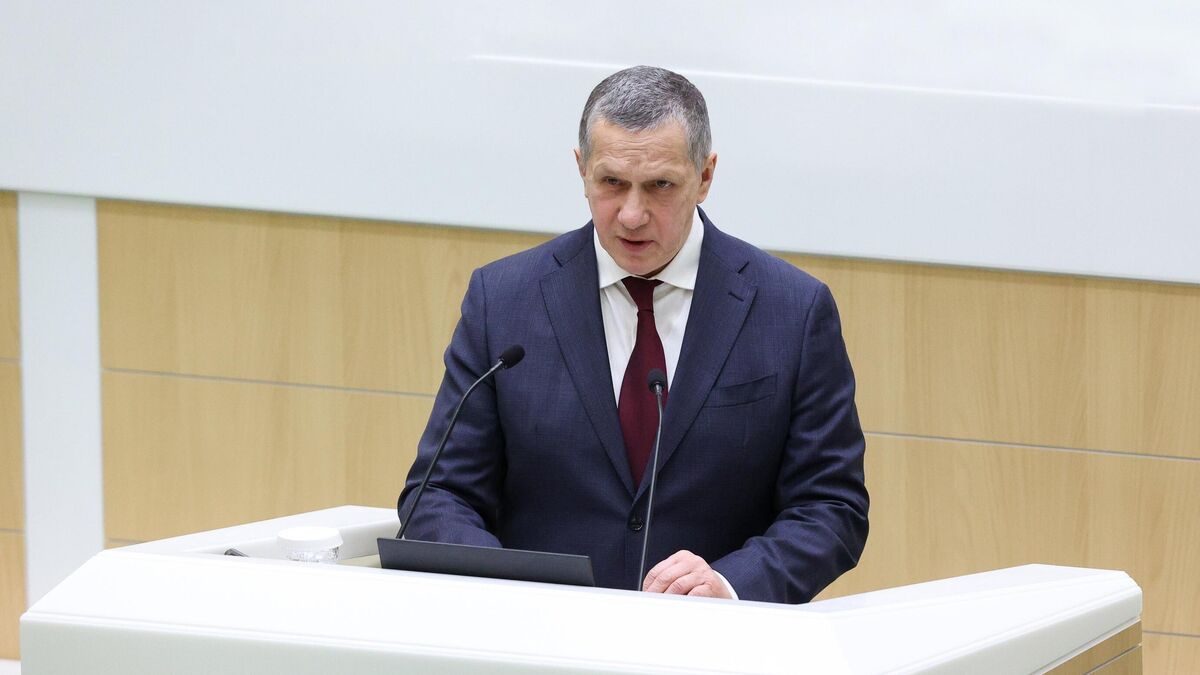
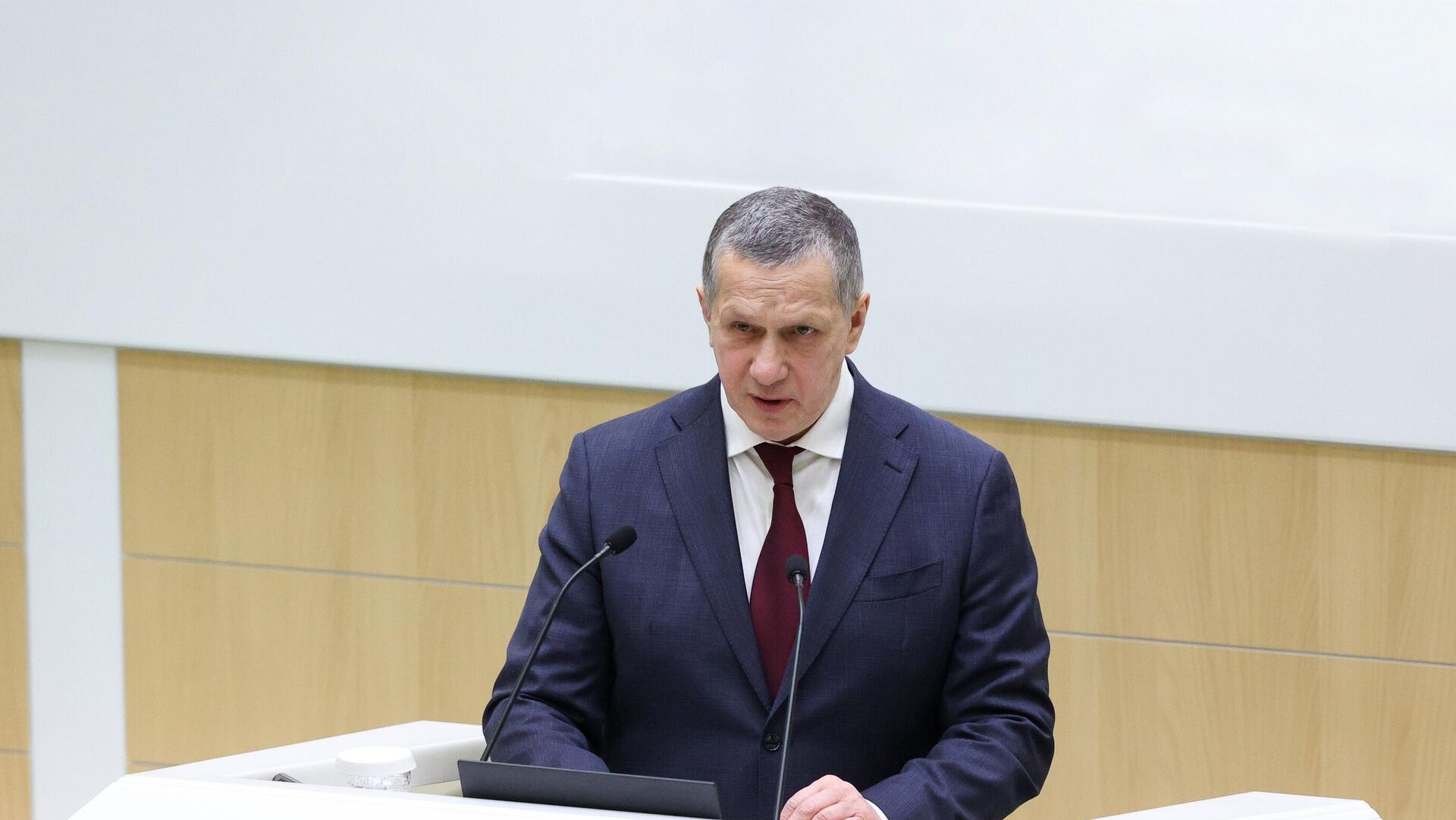
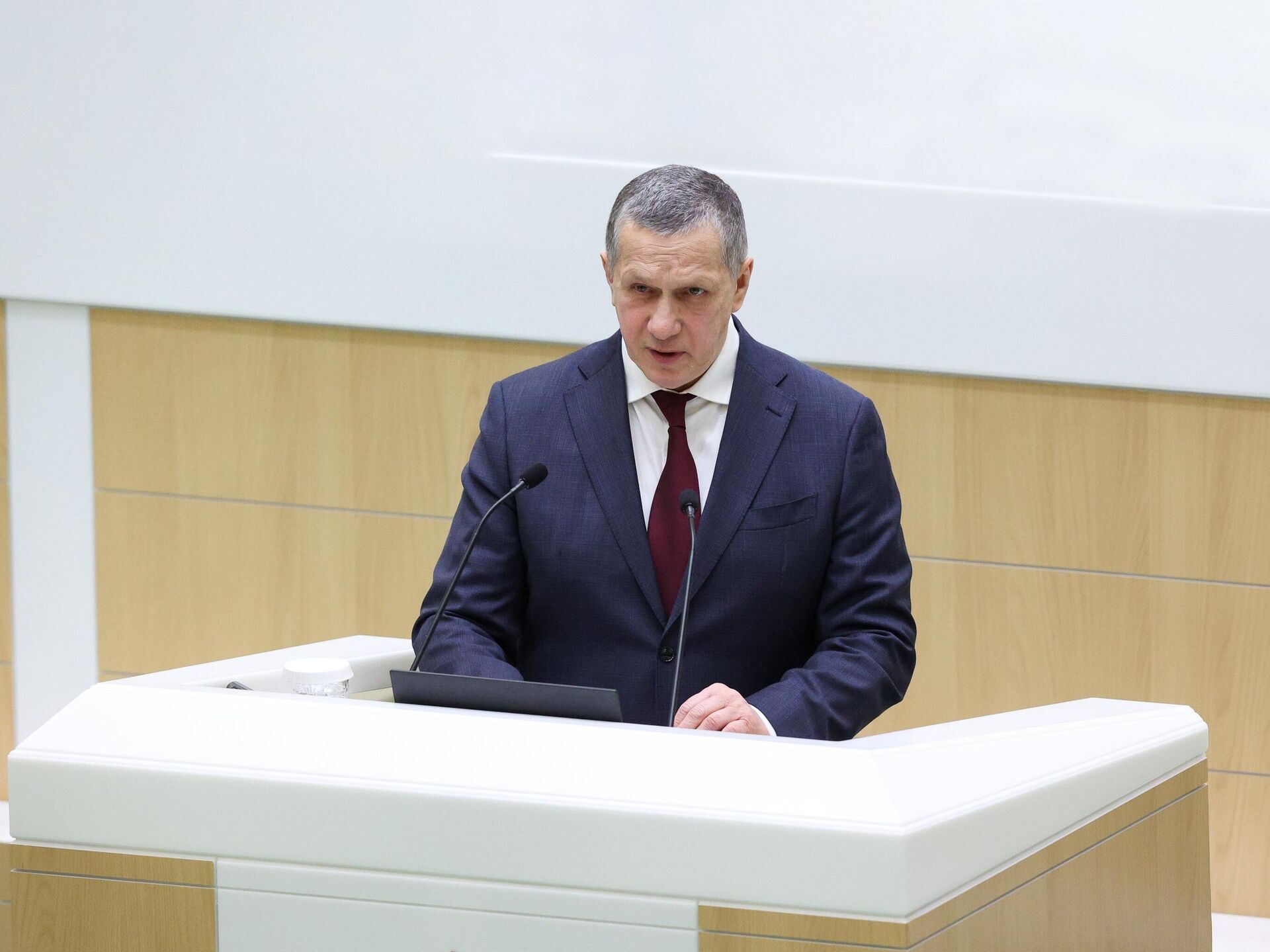
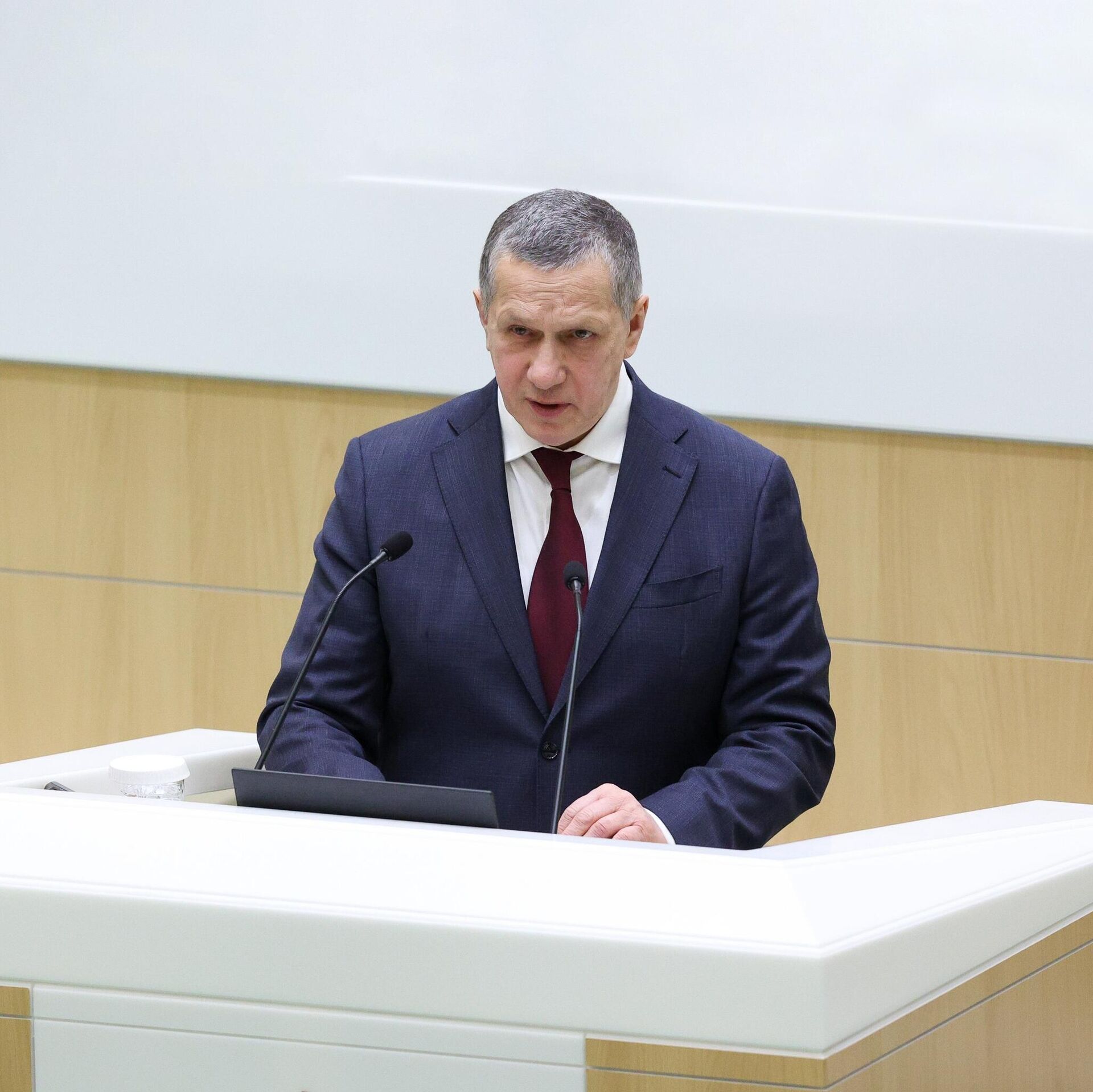
Yury Trutnev reports on Far Eastern development at the Federation Council
Yury Trutnev reports on Far Eastern development at the Federation Council
Arctic.ru: Discover how Russia implements its development goals in the Arctic and the Far East
2026-03-05T11:09
2026-03-05T11:09
2026-04-20T12:27
social affairs
economy
infrastructure
news
yury trutnev
/img/07ea/03/12/1324891_0:0:2760:1554_1920x0_80_0_0_3de4a8d53c8988fe9badef840261dbc0.jpg
Speaking during the Government Hour session at the Federation Council, Deputy Prime Minister – Presidential Plenipotentiary Envoy to the Far Eastern Federal District, Yury Trutnev, said that 90 federal laws and 531 Government acts had been passed for developing Russia’s Far East as a macro-region. These documents created favorable conditions for attracting investment, building enterprises and infrastructure.The Deputy Prime Minister cited statistics highlighting the potential of the macro-region which covers 41 percent of Russia’s territory and has a population of 7.9 million people.Mr. Trutnev listed systemic obstacles that must be eliminated, including lack of power-generating facilities, the need to upgrade power grids to a much larger extent compared to the national average, an insufficient capacity of the Eastern Operating Domain and backlogs in building border crossings.The Deputy Prime Minister noted that over the past ten years the Far East entered a new development trajectory with fixed capital investment exceeding the national average by a factor of 1.5.“State-backed projects received over 6 trillion rubles in investment, over 1,000 enterprises were launched, and over 180,000 jobs created. Despite sanctions, annual investment volumes exceeded one trillion rubles in 2025 alone,” he said, adding that new enterprises included ore mining and processing works, a gas refinery, a shipyard and a cosmodrome. These enterprises have shaped the new image of the Far East.Trutnev paid special attention to the social situation in the macro-region where there have been improvements since 2015 in all segments, including healthcare, education, affordable housing, employment and culture.According to Yury Trutnev, the decision to draft master plans for Far Eastern cities became an essential tool for improving the quality of life there. This program encompasses four million residents or over half of the macro-region’s population. Although municipal master plans include measures to upgrade utilities, the problem’s scale calls for a separate federal program.He mentioned some effective tools for supporting people, including the Far Eastern Hectare program, subsidized mortgages, unified presidential subsidies, the rental housing program and the Eastern Neighborhood comprehensive housing construction project. Workshops have been established at colleges, the Priority 2030 program for higher education institutions has been launched, and mobile medical teams have been deployed in remote areas for treating local residents.The Deputy Prime Minister elaborated on the air traffic subsidies program, drafted at the President’s instructions. According to Trutnev, the establishment of the Far Eastern air carrier made it possible to improve inter-regional connectivity. This led to launching air service connecting various regions which could only be accessed via Moscow in the past. Passenger traffic in Russia’s Far East reached 12 million people.These efforts helped reverse demographic trends in the region. In fact, the population started growing in 2021, for the first time in the past 30 years.Yury Trutnev outlined future priorities, including efforts to overcome power shortages, boosting the capacity of the transport system, increasing the processing depth of mineral resources, implementing master plans in 25 cities and 189 core communities in the Arctic, doubling tourist traffic and ensuring the population’s sustained growth.
2026
Новости
ru-RU
https://en.arctic.ru/docs/about/copyright.html
https://xn--c1acbl2abdlkab1og.xn--p1ai/
/img/07ea/03/12/1324891_29:0:2760:2048_1920x0_80_0_0_90c7236e71597042e0c3cbf82e6ba19f.jpgsocial affairs , economy, infrastructure, news, yury trutnev
Speaking during the Government Hour session at the Federation Council, Deputy Prime Minister – Presidential Plenipotentiary Envoy to the Far Eastern Federal District, Yury Trutnev, said that 90 federal laws and 531 Government acts had been passed for developing Russia’s Far East as a macro-region. These documents created favorable conditions for attracting investment, building enterprises and infrastructure.
The Deputy Prime Minister cited statistics highlighting the potential of the macro-region which covers 41 percent of Russia’s territory and has a population of 7.9 million people.
“The Far East accounts for 77 percent of diamonds, 50 percent of gold, 39 percent of copper, 71 percent of fish, 64 percent of fresh water and almost half of all forests nationwide,” he noted.
Mr. Trutnev listed systemic obstacles that must be eliminated, including lack of power-generating facilities, the need to upgrade power grids to a much larger extent compared to the national average, an insufficient capacity of the Eastern Operating Domain and backlogs in building border crossings.
“To overcome power shortages, we are exploring options for building new power-generating facilities, including small nuclear power plants and coal-fired power plants. We will submit specific proposals in the near future,” Yury Trutnev said, while replying to questions from the senators. According to Trutnev, he personally oversees construction of border crossings. “To eliminate backlogs, we regularly hold meetings with executives from the Ministry of Transport and the Federal Customs Service,” he pointed out.
The Deputy Prime Minister noted that over the past ten years the Far East entered a new development trajectory with fixed capital investment exceeding the national average by a factor of 1.5.
“State-backed projects received over 6 trillion rubles in investment, over 1,000 enterprises were launched, and over 180,000 jobs created. Despite sanctions, annual investment volumes exceeded one trillion rubles in 2025 alone,” he said, adding that new enterprises included ore mining and processing works, a gas refinery, a shipyard and a cosmodrome. These enterprises have shaped the new image of the Far East.
Trutnev paid special attention to the social situation in the macro-region where there have been improvements since 2015 in all segments, including healthcare, education, affordable housing, employment and culture.
“Economic development has helped increase regional budgets’ revenues 2.3-fold and created a foundation for social development,” the Plenipotentiary Envoy noted.
According to Yury Trutnev, the decision to draft master plans for Far Eastern cities became an essential tool for improving the quality of life there. This program encompasses four million residents or over half of the macro-region’s population. Although municipal master plans include measures to upgrade utilities, the problem’s scale calls for a separate federal program.
He mentioned some effective tools for supporting people, including the Far Eastern Hectare program, subsidized mortgages, unified presidential subsidies, the rental housing program and the Eastern Neighborhood comprehensive housing construction project. Workshops have been established at colleges, the Priority 2030 program for higher education institutions has been launched, and mobile medical teams have been deployed in remote areas for treating local residents.
The Deputy Prime Minister elaborated on the air traffic subsidies program, drafted at the President’s instructions. According to Trutnev, the establishment of the Far Eastern air carrier made it possible to improve inter-regional connectivity. This led to launching air service connecting various regions which could only be accessed via Moscow in the past. Passenger traffic in Russia’s Far East reached 12 million people.
These efforts helped reverse demographic trends in the region. In fact, the population started growing in 2021, for the first time in the past 30 years.
Yury Trutnev outlined future priorities, including efforts to overcome power shortages, boosting the capacity of the transport system, increasing the processing depth of mineral resources, implementing master plans in 25 cities and 189 core communities in the Arctic, doubling tourist traffic and ensuring the population’s sustained growth.