https://en.arctic.ru
Harvesting and processing volumes of White Sea algae set to expand in Karelia
Harvesting and processing volumes of White Sea algae set to expand in Karelia
Arctic.ru: Discover how Russia implements its development goals in the Arctic and the Far East
2026-03-03T10:00
2026-03-03T10:00
2026-03-24T16:52
news
republic of karelia
economy
/img/07ea/03/18/1340861_0:56:3001:1744_1920x0_80_0_0_c6019322337549ac3e410304c7f1ee27.jpg
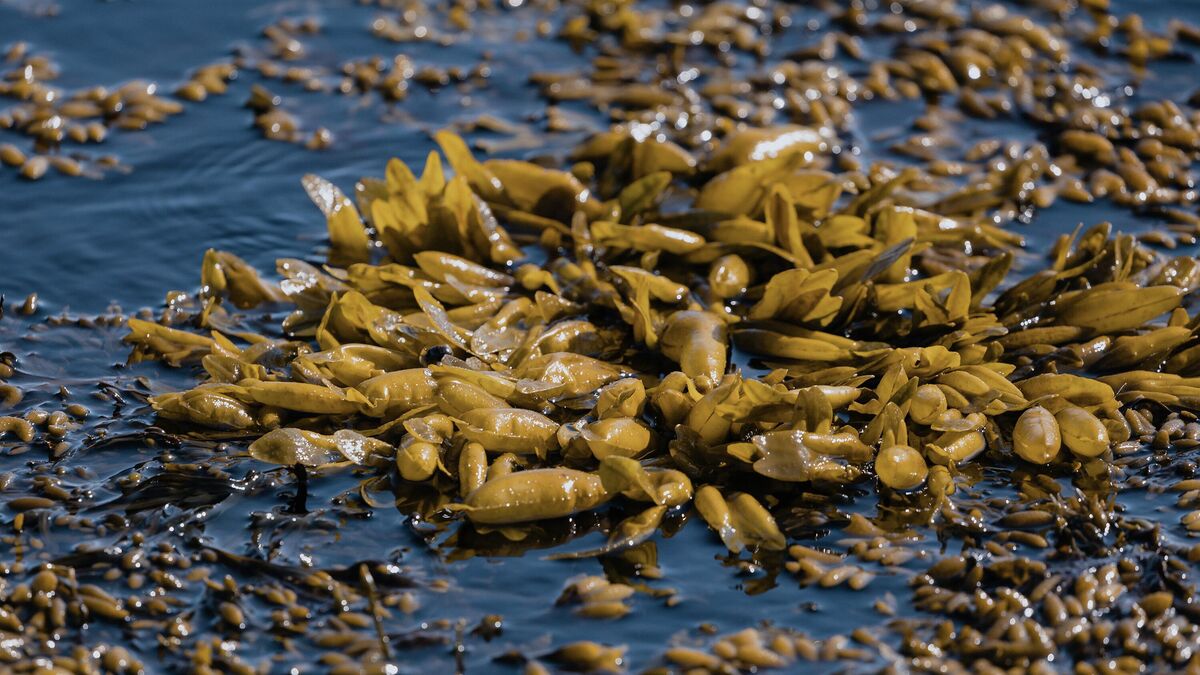
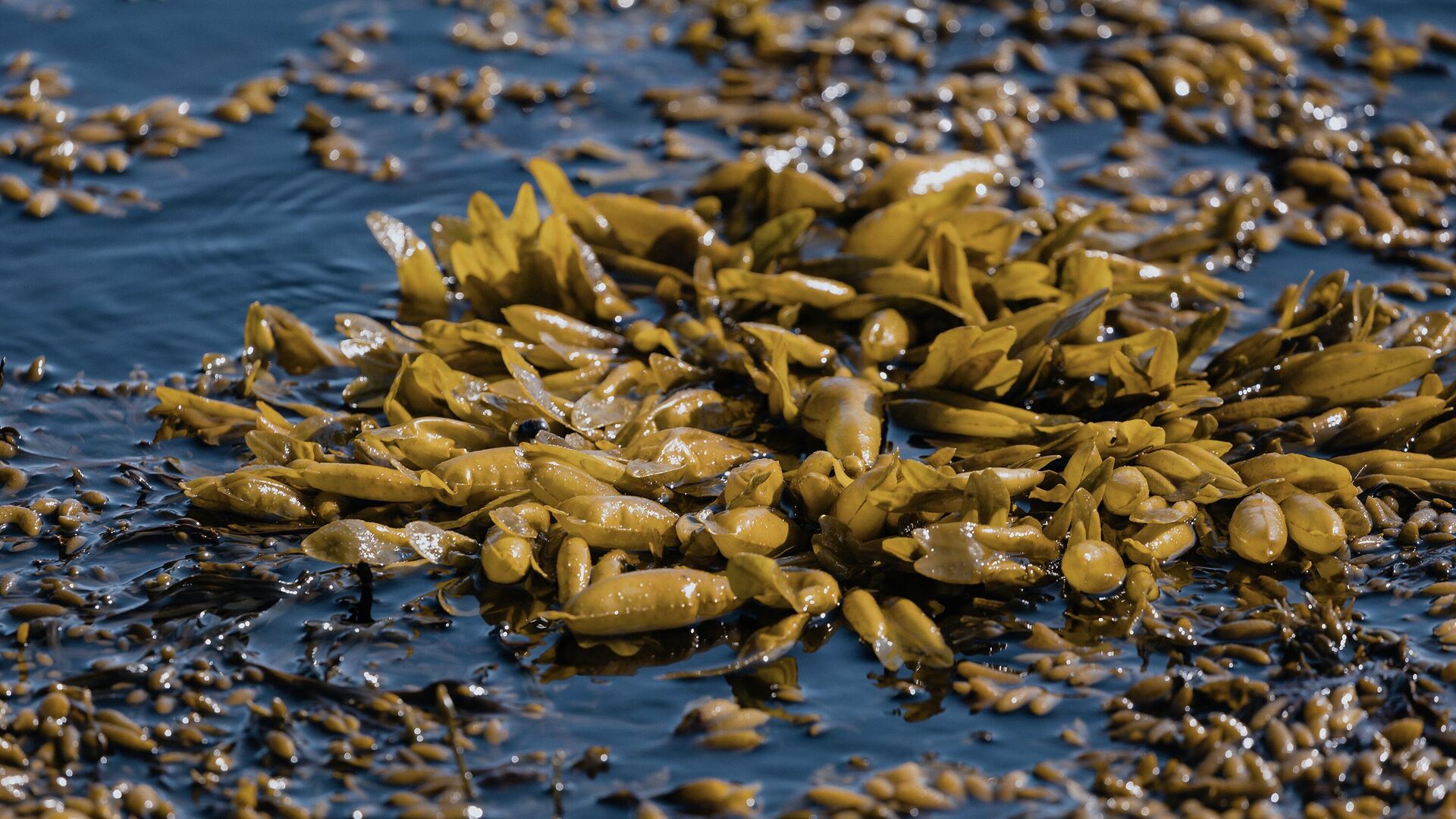
In 2025, seaweed harvesting volumes soared by 45 percent and reached 1,600 metric tons. According to scientists, these volumes can be expanded to 50,000 metric tons, but this quota covers all coastal regions, including Karelia, the Murmansk and Arkhangelsk regions which harvest no more than ten percent of recommended volumes, as per the press service of the Government of the Republic of Karelia.Over 20 operators harvested seaweed, including fishing cooperatives and multiple self-employed business managers. Primary seaweed processing in Karelia includes drying, crushing and freezing. The sector is expected to boost the share of value-added produce.In 2026, an enterprise capable of processing up to 500 metric tons of feedstock annually will be launched in the town of Beryozovka in the Kondopoga District. The new company will manufacture baby foods and sports nutrition, biologically active additives and other products.As instructed by the Head of Karelia, the Ministry of Agriculture will continue list deeply processed seaweed products, including biologically active additives, functional foods and specialized nutrition, among foodstuffs covered by reduced, ten-percent, VAT rates.
2026
Новости
ru-RU
https://en.arctic.ru/docs/about/copyright.html
https://xn--c1acbl2abdlkab1og.xn--p1ai/
/img/07ea/03/18/1340861_22:0:2689:2000_1920x0_80_0_0_23756f440f77b773888a4c023c85b0c7.jpgnews, republic of karelia, economy
Harvesting and processing volumes of White Sea algae set to expand in Karelia
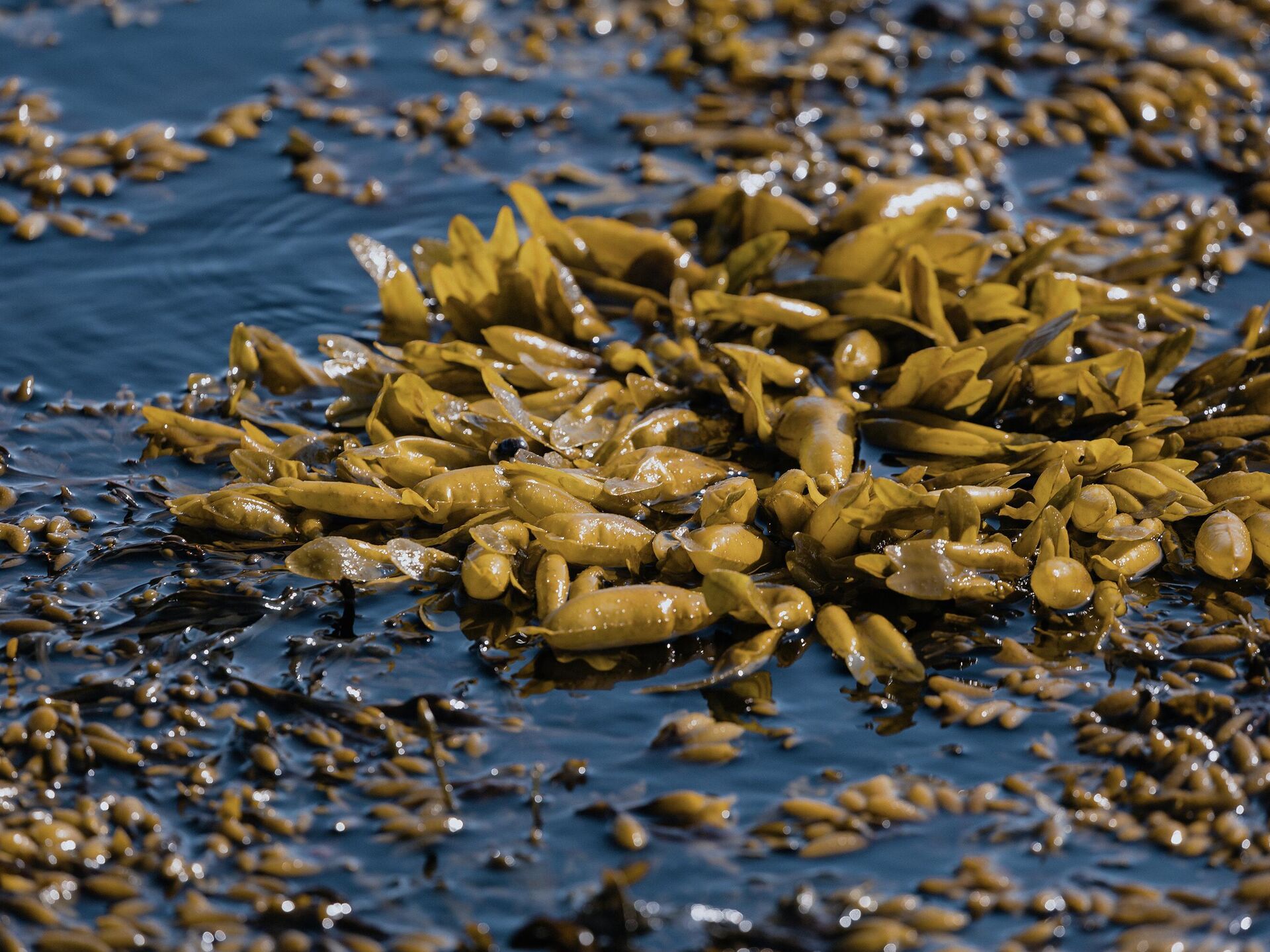
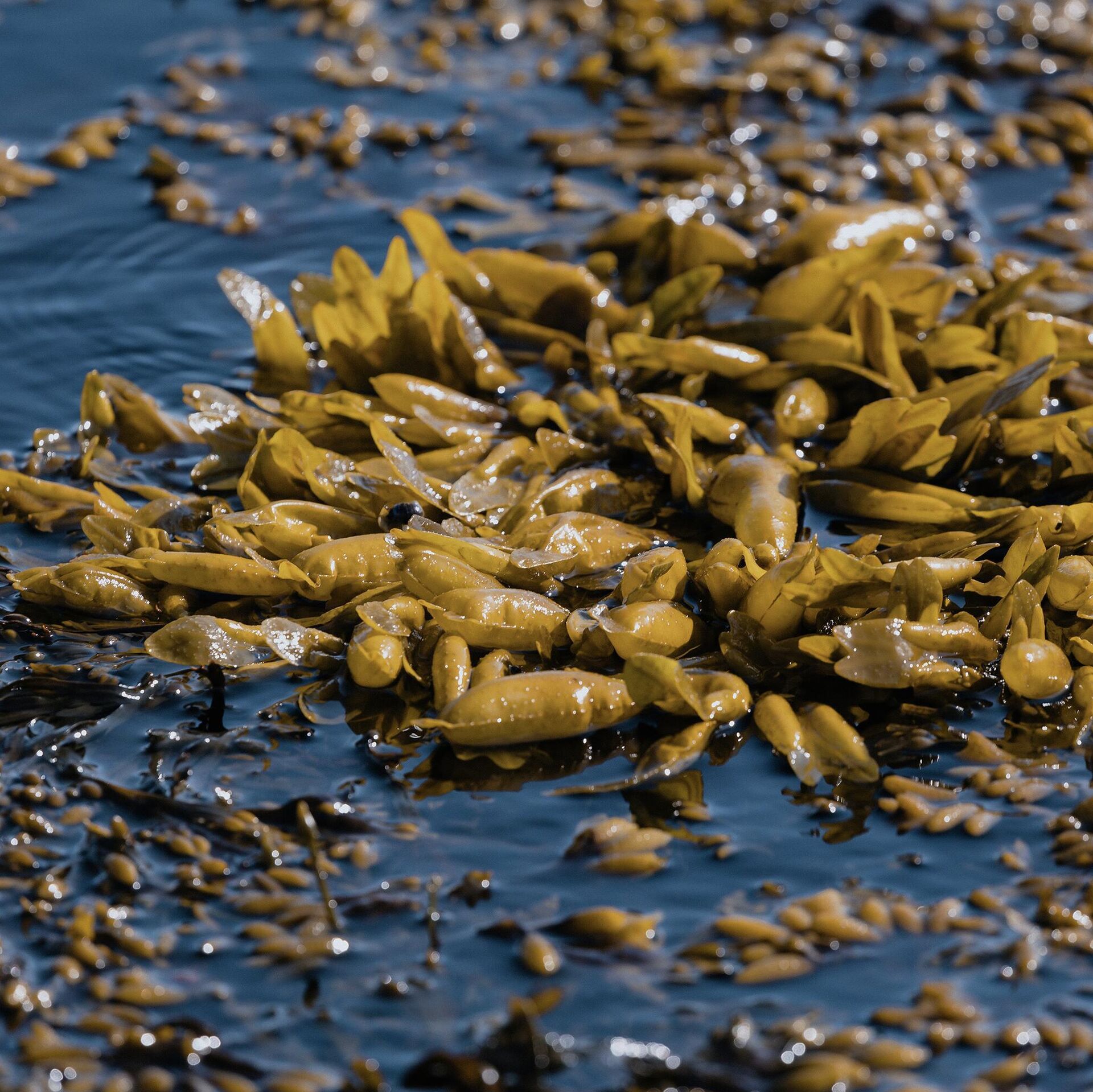
In 2025, seaweed harvesting volumes soared by 45 percent and reached 1,600 metric tons. According to scientists, these volumes can be expanded to 50,000 metric tons, but this quota covers all coastal regions, including Karelia, the Murmansk and Arkhangelsk regions which harvest no more than ten percent of recommended volumes, as per the press service of the Government of the Republic of Karelia.
Over 20 operators harvested seaweed, including fishing cooperatives and multiple self-employed business managers. Primary seaweed processing in Karelia includes drying, crushing and freezing. The sector is expected to boost the share of value-added produce.
“Our objective is to expand harvesting volumes and to create facilities for the in-depth processing of biological resources. For this purpose, it is necessary to implement a range of measures and to ensure cooperation between businesses, research and government agencies,” Head of the Republic of Karelia Artur Parfenchikov noted.
In 2026, an enterprise capable of processing up to 500 metric tons of feedstock annually will be launched in the town of Beryozovka in the Kondopoga District. The new company will manufacture baby foods and sports nutrition, biologically active additives and other products.
As instructed by the Head of Karelia, the Ministry of Agriculture will continue list deeply processed seaweed products, including biologically active additives, functional foods and specialized nutrition, among foodstuffs covered by reduced, ten-percent, VAT rates.