https://en.arctic.ru
A Surgut plant to produce a new type of diesel fuel
A Surgut plant to produce a new type of diesel fuel
Arctic.ru: Discover how Russia implements its development goals in the Arctic and the Far East
2026-02-24T10:53
2026-02-24T10:53
2026-03-13T09:24
news
khanty-mansi autonomous area
infrastructure
/img/07ea/02/18/1076623_0:160:3072:1888_1920x0_80_0_0_c78bedf76e9bb1c4c52dbf3821c80f96.jpg
A condensate stabilization plant in Surgut, Khanty-Mansi Autonomous Area, has developed a new type of diesel fuel for the Arctic with improved low-temperature properties and is getting ready to launch its production. Propelled by this fuel, equipment will be able to operate in temperatures as low as –52 °С, a spokesperson for the plan reported.Installations have been chosen for a trial run with an eye to identifying the optimal operational parameters and amending the regulations. The next stage will include regular tests and the drafting of quality standards for the new product.As of now, the plant turns out three types of diesel fuel that conform with the top class of the Customs Union’s K-5 technical regulations and have a cold filtering plugging point in the range from –38 °С (Winter) to –44 °С (Arctic).Diesel fuel is mostly supplied to the Ural Federal District, by rail or by boat on the Ob River, when it is navigable. Small amounts of low-temperature fuel can be produced on orders from customers in Northern Deliveries areas, with the first commercial batch thereof planned to be on offer in October of this year.
2026
Новости
ru-RU
https://en.arctic.ru/docs/about/copyright.html
https://xn--c1acbl2abdlkab1og.xn--p1ai/
/img/07ea/02/18/1076623_171:0:2902:2048_1920x0_80_0_0_6fec7c111823577dddc87dae0de028d0.jpgnews, khanty-mansi autonomous area , infrastructure
A Surgut plant to produce a new type of diesel fuel
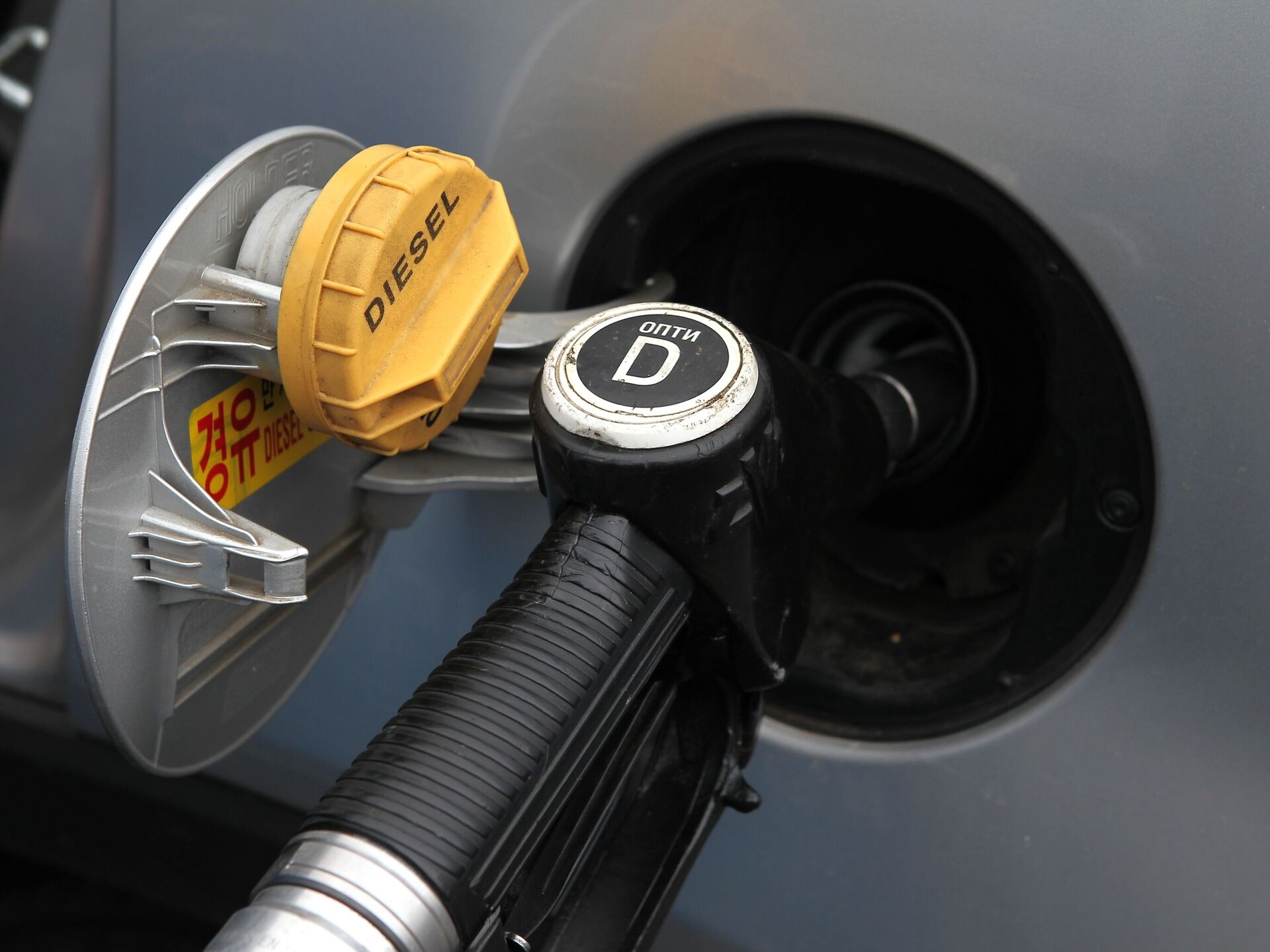
A condensate stabilization plant in Surgut, Khanty-Mansi Autonomous Area, has developed a new type of diesel fuel for the Arctic with improved low-temperature properties and is getting ready to launch its production. Propelled by this fuel, equipment will be able to operate in temperatures as low as –52 °С, a spokesperson for the plan reported.
Installations have been chosen for a trial run with an eye to identifying the optimal operational parameters and amending the regulations. The next stage will include regular tests and the drafting of quality standards for the new product.
As of now, the plant turns out three types of diesel fuel that conform with the top class of the Customs Union’s K-5 technical regulations and have a cold filtering plugging point in the range from –38 °С (Winter) to –44 °С (Arctic).
Diesel fuel is mostly supplied to the Ural Federal District, by rail or by boat on the Ob River, when it is navigable.
Small amounts of low-temperature fuel can be produced on orders from customers in Northern Deliveries areas, with the first commercial batch thereof planned to be on offer in October of this year.