https://en.arctic.ru
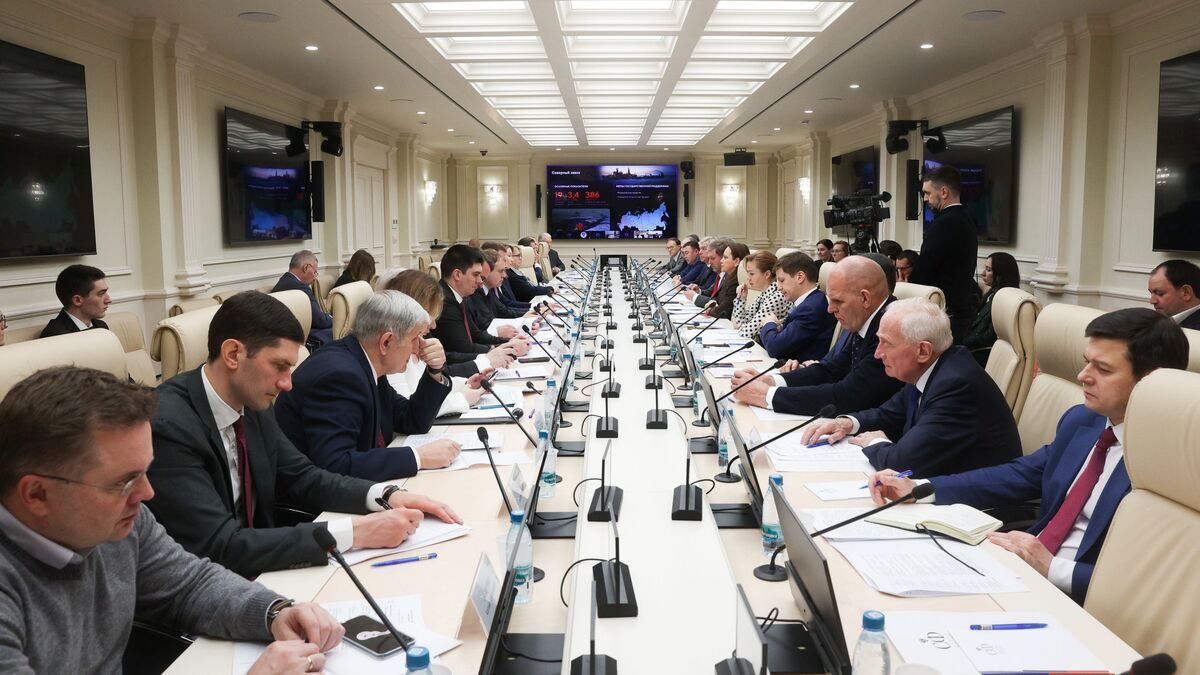
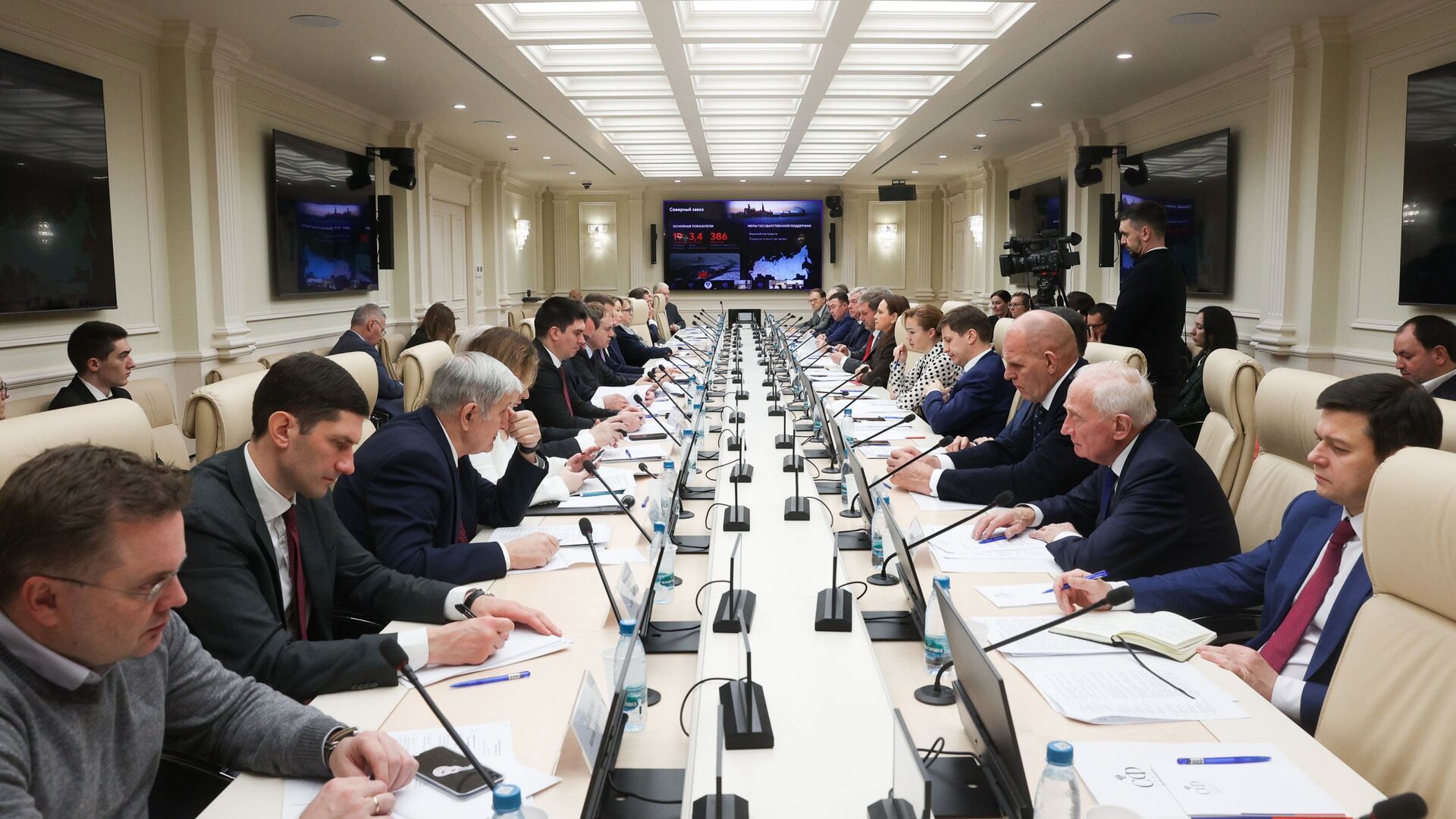
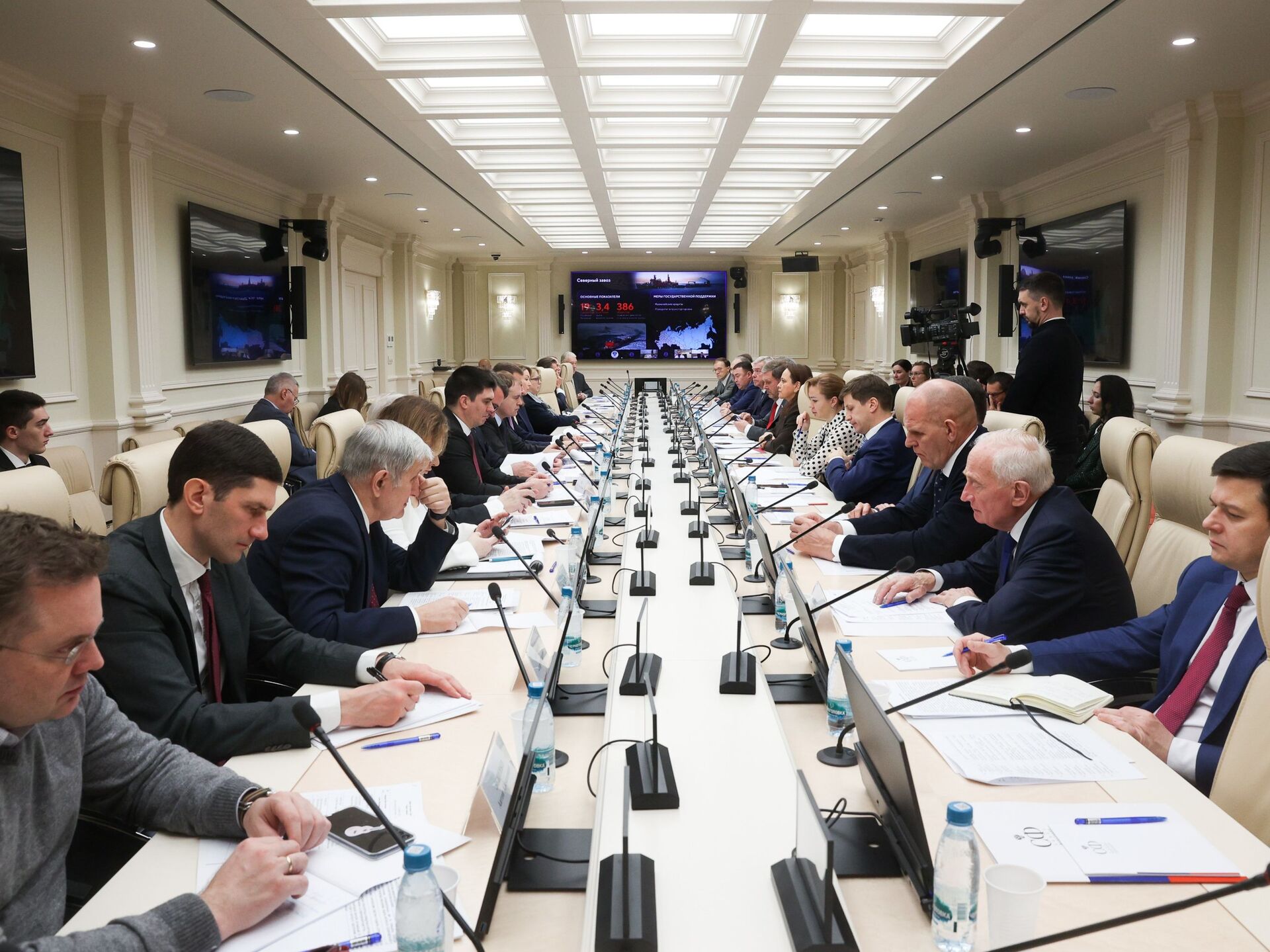
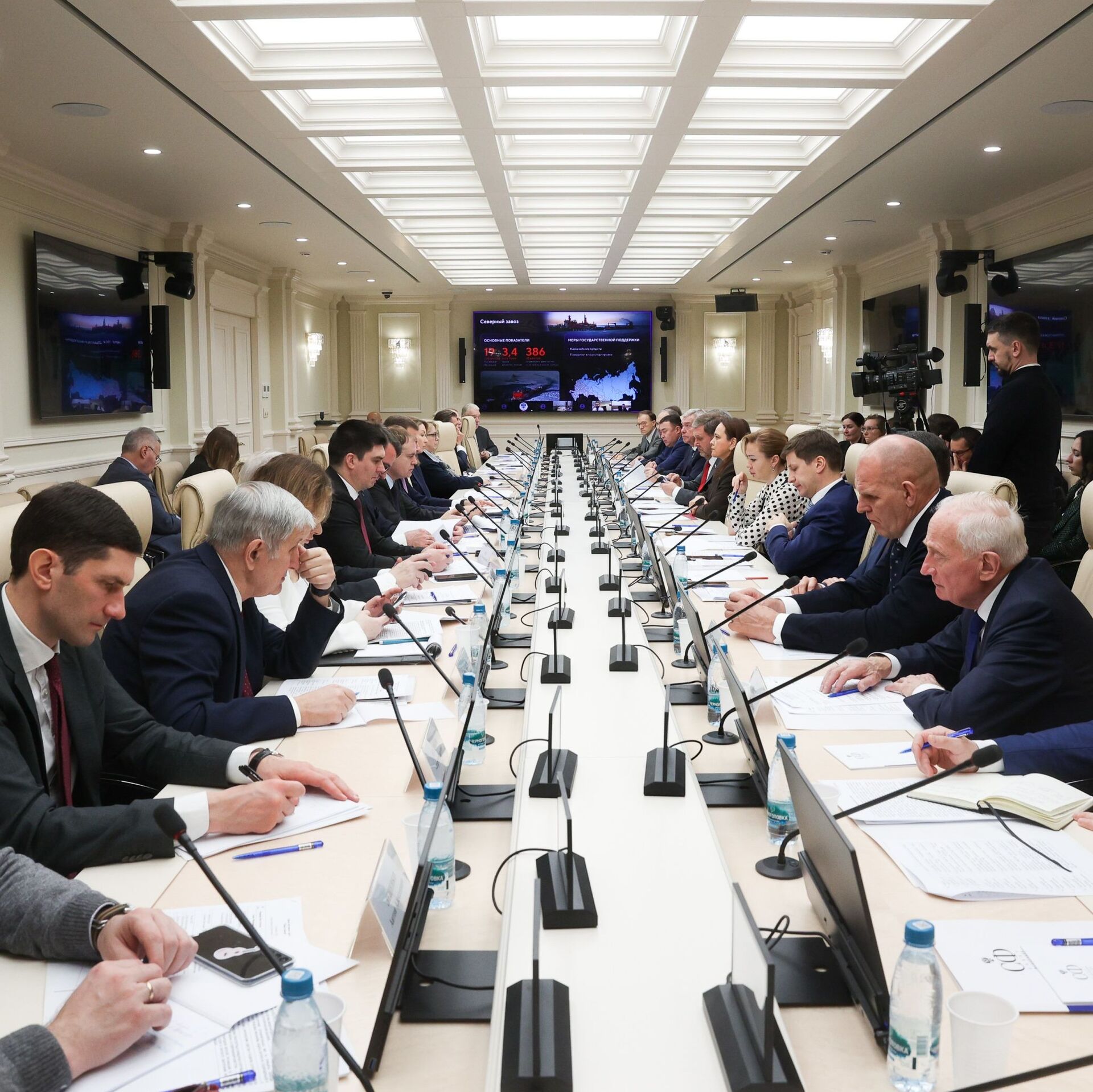
Federation Council Committee on Foreign Affairs holds roundtable discussion on new Arctic geopolitics
Federation Council Committee on Foreign Affairs holds roundtable discussion on new Arctic geopolitics
Arctic.ru: Discover how Russia implements its development goals in the Arctic and the Far East
2025-11-26T11:38
2025-11-26T11:38
2026-03-20T14:32
news
international cooperation
/img/07e9/0b/1a/1060599_0:161:3071:1888_1920x0_80_0_0_ab2c3f74e0794a13aa34801a3a4f5132.jpg
Western countries’ speculations on environmental and economic issues and on freedom of navigation via the Northern Sea Route aim to limit Russia’s presence in the Arctic region, the meeting participants said, according to the press service of the Federation Council. Vice President for International Activities, Russian Association of Indigenous Peoples of the North, Senator Anna Otke, noted that the Arctic Council is only viable format for multilateral collaboration in high latitudes; however, Western countries have “frozen” its full-fledged work since February 2022.“Any attempts to effectively address topical Arctic issues have no future without Russia. Our country continues to implement a multi-vector foreign policy in the Arctic region, and this policy remains open for constructive collaboration, including with the concerned non-regional countries,” the senator from the Chukotka Autonomous Area noted.The meeting participants noted the need for systematic efforts by the federal government, regions and businesses to develop the infrastructure of the Northern Sea Route, to modernize ports and river logistics and to establish alternative platforms for regional dialogue, such as the Northern Forum.According to Minister for the Development of the Russian Far East and Arctic, Alexei Chekunkov, major Russian companies have already channeled about 35 trillion rubles into Arctic projects, and the region will become more important for the Russian and global economy during their implementation.Commenting on the results of the roundtable discussion, President of the Russian Association of Indigenous Peoples of the North, Alexander Novyukhov, said that it was impossible to develop Arctic territories without small indigenous peoples, and that any projects in the Arctic zone should heed the specifics of these peoples’ way of life, their traditional economic activities, and directly involve communities of indigenous peoples and their public associations in the decision-making process.Following the roundtable discussion, the participants agreed to draft proposals on further improving legislation to facilitate the sustained development of the Arctic.
2025
Новости
ru-RU
https://en.arctic.ru/docs/about/copyright.html
https://xn--c1acbl2abdlkab1og.xn--p1ai/
/img/07e9/0b/1a/1060599_171:0:2902:2048_1920x0_80_0_0_bb06744bf9775fe867cff0b5666e5cc2.jpgnews, international cooperation
Federation Council Committee on Foreign Affairs holds roundtable discussion on new Arctic geopolitics
Western countries’ speculations on environmental and economic issues and on freedom of navigation via the Northern Sea Route aim to limit Russia’s presence in the Arctic region, the meeting participants said, according to the press service of the Federation Council.
Vice President for International Activities, Russian Association of Indigenous Peoples of the North, Senator Anna Otke, noted that the Arctic Council is only viable format for multilateral collaboration in high latitudes; however, Western countries have “frozen” its full-fledged work since February 2022.
“Any attempts to effectively address topical Arctic issues have no future without Russia. Our country continues to implement a multi-vector foreign policy in the Arctic region, and this policy remains open for constructive collaboration, including with the concerned non-regional countries,” the senator from the Chukotka Autonomous Area noted.
The meeting participants noted the need for systematic efforts by the federal government, regions and businesses to develop the infrastructure of the Northern Sea Route, to modernize ports and river logistics and to establish alternative platforms for regional dialogue, such as the Northern Forum.
According to Minister for the Development of the Russian Far East and Arctic, Alexei Chekunkov, major Russian companies have already channeled about 35 trillion rubles into Arctic projects, and the region will become more important for the Russian and global economy during their implementation.
Commenting on the results of the roundtable discussion, President of the Russian Association of Indigenous Peoples of the North, Alexander Novyukhov, said that it was impossible to develop Arctic territories without small indigenous peoples, and that any projects in the Arctic zone should heed the specifics of these peoples’ way of life, their traditional economic activities, and directly involve communities of indigenous peoples and their public associations in the decision-making process.
Following the roundtable discussion, the participants agreed to draft proposals on further improving legislation to facilitate the sustained development of the Arctic.