https://en.arctic.ru
More than a legendary tea: Why fireweed is prized in the North
More than a legendary tea: Why fireweed is prized in the North
Arctic.ru: Discover how Russia implements its development goals in the Arctic and the Far East
2026-07-27T13:00
2026-07-27T13:00
2026-07-27T13:00
more content
yamal-nenets autonomous area
republic of sakha (yakutia)
murmansk region
ecology
/img/07ea/07/18/1642485_0:250:3000:1938_1920x0_80_0_0_f00c60b0028d67713a68524912c66b26.jpg
Fireweed, better known in Russia as Ivan-chai, grows throughout the country, including its Arctic regions.While the plant is best known for its use in tea, scientists have long been exploring the properties of northern fireweed with an eye to expanding its applications.In this article, we’ll look at how Arctic fireweed differs from its southern relatives, what products are already being made from it, and how Prince Alexander Nevsky helped popularize this remarkable plant.Fireweed, or Ivan-chai as it is commonly called, is a hardy plant found across Russia. It first gained renown for the infusion made from its leaves – a drink known abroad as “Russian tea.”The earliest references to fireweed tea date back to 12th-century manuscripts. According to legend, monks served the drink to Prince Alexander Nevsky after a grueling battle against the Crusaders. The following morning, the prince felt renewed strength and ordered locals to gather fireweed for brewing infusions.Fireweed also grows in Russia’s Arctic territories, including Yamal, the Murmansk Region, and Yakutia. Indigenous peoples have long known about its health benefits. For the Sami and Pomor communities, a hot infusion of fireweed leaves and flowers was something of a universal remedy: in the harsh northern climate, it not only provided warmth and helped guard against hypothermia but also relieved fatigue and promoted restful sleep.In the 20th century, researchers began investigating the plant’s medicinal properties in earnest. They found that fireweed stimulates the immune system, soothes digestive complaints, and acts as an excellent tonic – all without a trace of caffeine.Today, researchers are continuing to study this remarkable plant, with particular attention to specimens growing in high latitudes. Research has revealed that Arctic fireweed contains significantly higher levels of vitamins and beneficial macronutrients than its southern counterparts. Fireweed from the Kola Peninsula, for instance, has been found to contain two to three times more vitamin C. Arctic samples have also proved to be richer in plant antioxidants and key micronutrients, including iron, manganese, and copper.Fireweed extracts are already being incorporated into cosmetic products. In 2023, for example, the production of a cream based on fireweed harvested on the Kola Peninsula was launched in the Murmansk Region. The product was developed by a team of scientists led by Nikita Tsvetkov, a researcher at the Kola Research Center of the Russian Academy of Sciences.Today, experts continue to study Arctic fireweed for its antioxidant, anti-inflammatory, and other beneficial properties, recognizing its potential for a wide range of practical applications.These qualities make fireweed much more than just a legendary tea – it is a plant with tremendous scientific promise, uniquely adapted to thrive in northern conditions.
https://en.arctic.ru/20260720/1619637.html
2026
Новости
ru-RU
https://en.arctic.ru/docs/about/copyright.html
https://xn--c1acbl2abdlkab1og.xn--p1ai/
/img/07ea/07/18/1642485_250:0:2917:2000_1920x0_80_0_0_09f6ec35ebde0637ab2a04d2bb75659d.jpgmore content, yamal-nenets autonomous area, republic of sakha (yakutia), murmansk region, ecology
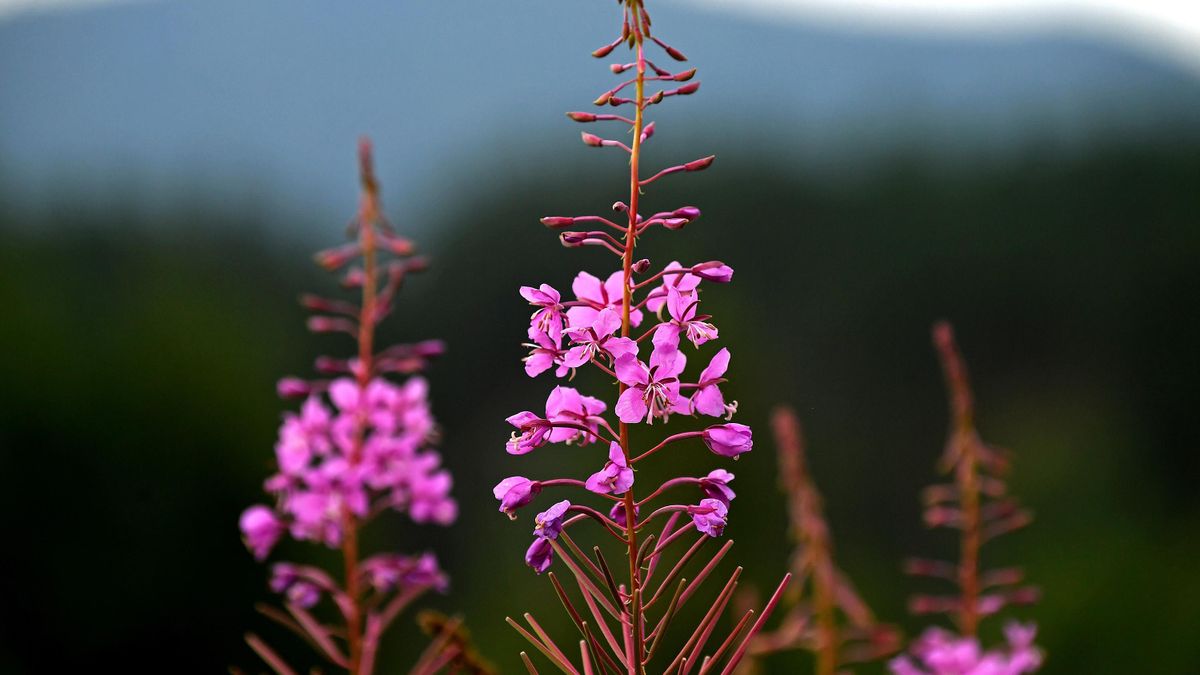
Fireweed, better known in Russia as Ivan-chai, grows throughout the country, including its Arctic regions.
While the plant is best known for its use in tea, scientists have long been exploring the properties of northern fireweed with an eye to expanding its applications.
In this article, we’ll look at how Arctic fireweed differs from its southern relatives, what products are already being made from it, and how Prince Alexander Nevsky helped popularize this remarkable plant.
Fireweed, or Ivan-chai as it is commonly called, is a hardy plant found across Russia. It first gained renown for the infusion made from its leaves – a drink known abroad as “Russian tea.”
The earliest references to fireweed tea date back to 12th-century manuscripts. According to legend, monks served the drink to Prince Alexander Nevsky after a grueling battle against the Crusaders. The following morning, the prince felt renewed strength and ordered locals to gather fireweed for brewing infusions.
Fireweed also grows in Russia’s Arctic territories, including Yamal, the Murmansk Region, and Yakutia. Indigenous peoples have long known about its health benefits. For the Sami and Pomor communities, a hot infusion of fireweed leaves and flowers was something of a universal remedy: in the harsh northern climate, it not only provided warmth and helped guard against hypothermia but also relieved fatigue and promoted restful sleep.
In the 20th century, researchers began investigating the plant’s medicinal properties in earnest. They found that fireweed stimulates the immune system, soothes digestive complaints, and acts as an excellent tonic – all without a trace of caffeine.
Today, researchers are continuing to study this remarkable plant, with particular attention to specimens growing in high latitudes. Research has revealed that Arctic fireweed contains significantly higher levels of vitamins and beneficial macronutrients than its southern counterparts. Fireweed from the Kola Peninsula, for instance, has been found to contain two to three times more vitamin C. Arctic samples have also proved to be richer in plant antioxidants and key micronutrients, including iron, manganese, and copper.
Fireweed extracts are already being incorporated into cosmetic products. In 2023, for example, the production of a cream based on fireweed harvested on the Kola Peninsula was launched in the Murmansk Region. The product was developed by a team of scientists led by Nikita Tsvetkov, a researcher at the Kola Research Center of the Russian Academy of Sciences.
Today, experts continue to study Arctic fireweed for its antioxidant, anti-inflammatory, and other beneficial properties, recognizing its potential for a wide range of practical applications.
These qualities make fireweed much more than just a legendary tea – it is a plant with tremendous scientific promise, uniquely adapted to thrive in northern conditions.